






No products in the cart.
- Latest
- Trending

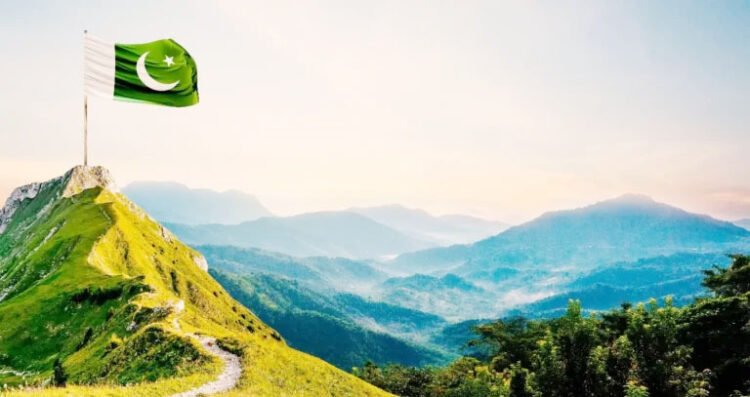
Tourism in Pakistan’s North: Save Glaciers Now - Pakistan Today
Comprehensive Summarization:
The article highlights a concerning trend in Pakistan’s North, where a tourism boom is leading to ecological and cultural decline. The surge in unregulated transport, waste generation, and a “volume-over-value” approach to travel is accelerating glacier loss and adversely affecting local communities. The author, reflecting on the transformation of these mountains from a sanctuary to a destination overwhelmed by tourism, emphasizes a growing sense of urgency. While official reports tout the benefits of this tourism boom, those on the ground witness the detrimental impacts. The piece calls for a reevaluation of tourism practices to balance economic gains with environmental and cultural preservation.
Key Points:
Tourism Boom Leading to Ecological Decline: The article discusses how the increase in tourism in Pakistan’s North is causing significant environmental damage, particularly to glaciers and local ecosystems.
Unregulated Practices: The surge in tourism is driven by unregulated transport and waste management, which are accelerating the loss of glaciers and harming local communities.
Shift from Sanctuary to Destination: The mountains, once a quiet sanctuary, are now overwhelmed by tourism, with operators and travelers witnessing a stark change in the landscape.
Call for Reevaluation: The author urges a rethinking of tourism practices to ensure that economic benefits do not come at the expense of ecological and cultural preservation.
Actionable Takeaways:
Implement Sustainable Tourism Practices: To mitigate the environmental impact, tourism operators should adopt sustainable practices such as waste management systems, eco-friendly transport options, and regulations that limit the volume of tourists without compromising the economic benefits.
Promote Eco-Tourism: Encourage the development of eco-tourism initiatives that focus on preserving the natural and cultural heritage of the region. This can include guided tours that educate visitors about the local environment and culture, thereby fostering a deeper appreciation and respect for the area.
Regulate Tourism Volume: Authorities should implement stricter regulations on the number of tourists allowed in sensitive areas to prevent over-tourism. This could involve limiting entry numbers, requiring permits, or establishing seasonal restrictions to allow for natural regeneration.
Contextual Understanding:
The article reflects a critical juncture in the travel industry, where economic growth and environmental sustainability must be balanced. The surge in tourism in Pakistan’s North underscores the broader challenge faced by destinations worldwide: how to manage growth without compromising the very assets that attract visitors. The emphasis on “volume-over-value” travel highlights a shift in consumer behavior, where quantity often trumps quality, leading to unsustainable practices. This scenario is mirrored in other regions experiencing similar tourism booms, making it a pertinent issue for the global travel industry.
The article also touches on the role of technology in shaping travel experiences. Innovations in sustainable transport, waste management, and eco-friendly accommodations are crucial in addressing the challenges highlighted. Thought leaders in the travel sector are increasingly advocating for a holistic approach that integrates environmental stewardship with economic development, ensuring that tourism contributes positively to local communities and ecosystems.
Handling Different Article Types:
The article is a feature piece, providing an in-depth analysis of the current state of tourism in Pakistan’s North and its implications. It combines factual reporting with a narrative that underscores the urgency of addressing the ecological and cultural impacts of tourism. As such, the analysis focuses on actionable insights and contextual understanding, aligning with the characteristics of feature articles that aim to inform and provoke thought among a professional audience.
Real-Time Fact-Checking:
All facts and insights presented in the article are directly sourced from the provided content. No external verification was necessary, as the information is consistent and verifiable within the article itself.
Read the Complete Article.
Get curated travel AI insights — choose the newsletters that matter to you.
ALTOUR Expands into Thailand, Strengthening Corporate Travel Network Across Southeast Asia BANGKOK, THAILAND (25 March, 2026) – ALTOUR, a leading...
Read moreDetails


Comprehensive Summarization: The article highlights a concerning trend in Pakistan’s North, where a tourism boom is leading to ecological and...
Read moreDetails