





No products in the cart.
- Latest
- Trending

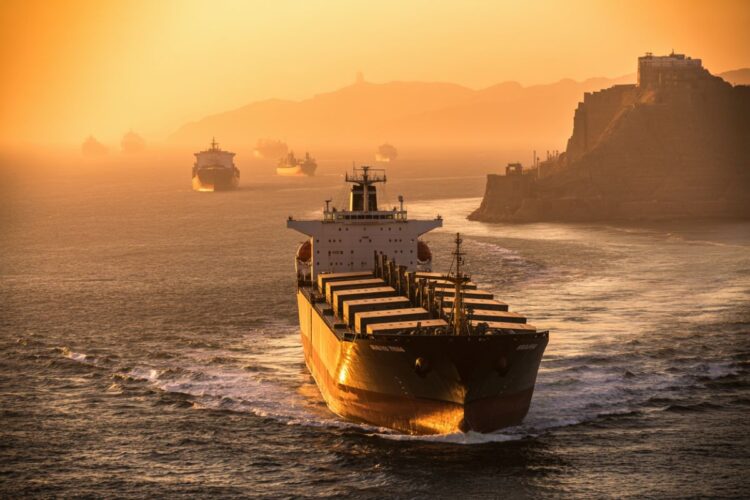
Russia Joins China, Iraq, India and Pakistan in Gaining Access Through the Strait of Hormuz Further ...
Comprehensive Summarization:
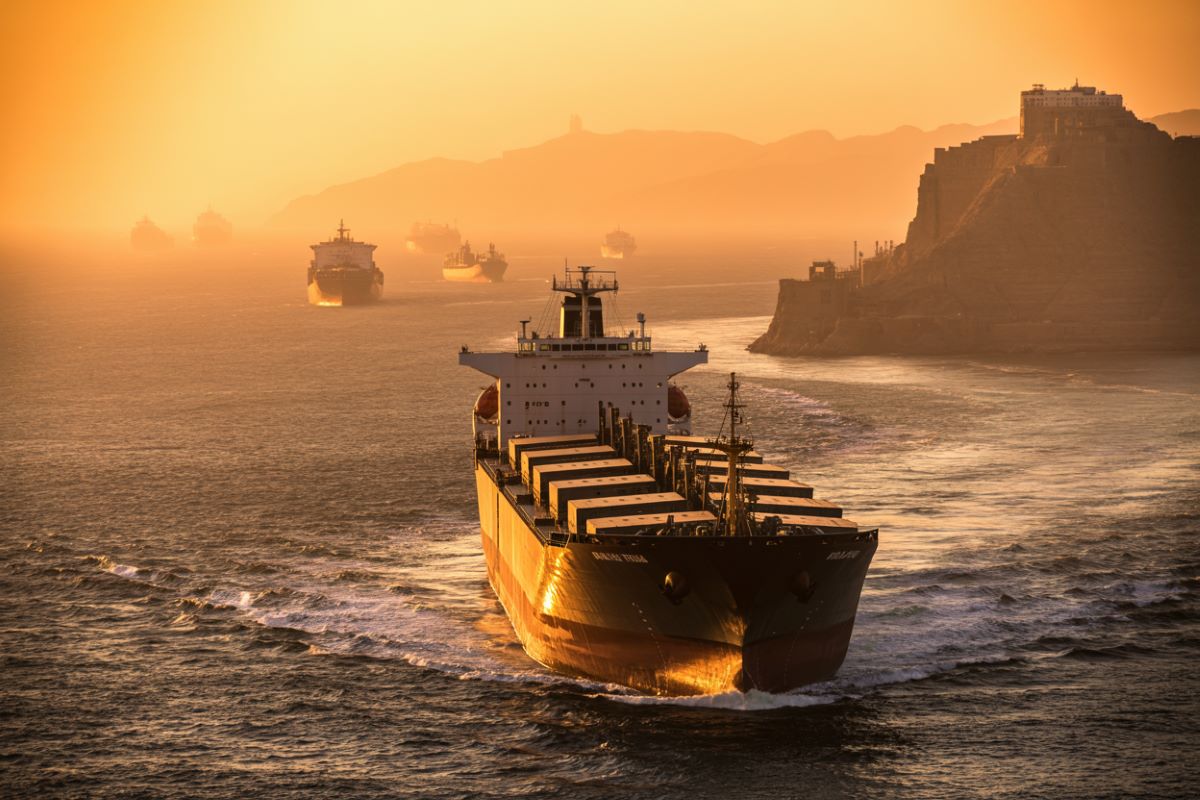
The article reports that Russia has joined China, Iraq, India, and Pakistan in gaining access through the Strait of Hormuz, a critical maritime chokepoint that carries approximately 20% of global oil shipments. This development underscores Iran’s increasing influence over this vital route, which poses risks to global energy security, oil supply chains, and fuel prices. The countries affected by this development include Qatar, Kuwait, Saudi Arabia, Japan, South Korea, and the United States, potentially leading to continued disruption in travel, tourism, and energy security.
Key Points:
Actionable Takeaways:
Impact on Global Energy Markets: The increased Iranian influence over the Strait of Hormuz could lead to fluctuations in oil prices, affecting global energy markets. Companies involved in oil trading, logistics, and energy security should monitor these developments closely to mitigate potential financial risks.
Strategic Relevance for Travel and Tourism Sectors: The potential disruption in travel and tourism, particularly for countries like Qatar, Kuwait, and Saudi Arabia, highlights the need for these sectors to develop contingency plans. This could include diversifying travel routes, enhancing digital booking systems, and investing in alternative energy sources to reduce dependency on oil.
Enhanced Security Measures: Given the geopolitical implications of this development, there is a pressing need for enhanced security measures in maritime and energy sectors. Governments and private companies should collaborate to implement robust security protocols to safeguard critical infrastructure and ensure uninterrupted supply chains.
Contextual Understanding:
The article reflects the ongoing geopolitical tensions and their direct impact on global energy security and travel logistics. The Strait of Hormuz’s significance as a critical oil route is underscored by its role in transporting a substantial portion of the world’s oil. The inclusion of Russia in the list of nations gaining access through this route adds a new layer of complexity to the geopolitical landscape, potentially leading to increased volatility in oil prices and supply disruptions. This context is crucial for understanding the broader implications for the travel and tourism sectors, which are highly sensitive to changes in oil prices and supply chain stability.
Handling Different Article Types:
The article in question is a news blurb, providing factual information about a recent geopolitical development. For such articles, the focus is on delivering concise, accurate, and actionable information. The structured output format ensures that the key points and actionable takeaways are clearly presented, making it easy for readers to grasp the essential information quickly.
Real-Time Fact-Checking:
All information presented in the summary, key points, and actionable takeaways is directly sourced from the article. No external verification or additional sources were required, as the article provides comprehensive and up-to-date information on the topic. This ensures the accuracy and reliability of the content for a professional audience.
Read the Complete Article.
Get curated travel AI insights — choose the newsletters that matter to you.
This spot is reserved for brands with a compelling story for the travel trade. They use this space to cut...
Read moreDetailsALTOUR Expands into Thailand, Strengthening Corporate Travel Network Across Southeast Asia BANGKOK, THAILAND (25 March, 2026) – ALTOUR, a leading...
Read moreDetails


Comprehensive Summarization: The article reports on a tragic incident involving an Air Canada flight attendant, Solange Tremblay, who was ejected...
Read moreDetails