




No products in the cart.
- Latest
- Trending

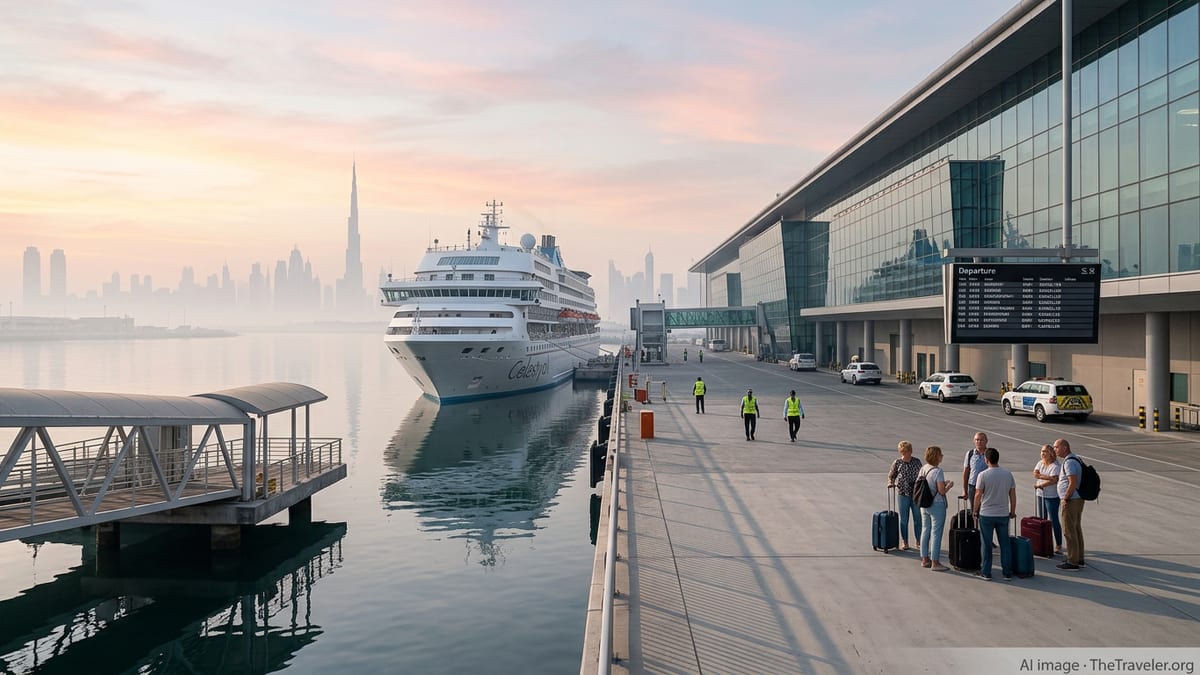
Celestyal Scraps Remaining Gulf Cruises Amid Rising Tensions
Comprehensive Summarization:
Celestyal, an Athens-based cruise line, has abruptly canceled all remaining Arabian Gulf cruises for the 2025-26 winter season. This decision, which affects the inaugural “Desert Days” Arabian Gulf program, was made due to the worsening security environment following the Iran–U.S. conflict and instability around the Strait of Hormuz. The cancellation applies to all remaining departures in March 2026, effectively ending Celestyal’s Gulf season weeks earlier than planned. This move has stunned tourism officials in Dubai and Doha and rattled already anxious travelers across the region.
Key Points:
Actionable Takeaways:
Contextual Insights:
The cancellation of Celestyal’s Arabian Gulf cruises highlights the significant impact of geopolitical conflicts on the travel industry. The decision to end the “Desert Days” program early reflects the heightened security concerns in the region, particularly following the Iran–U.S. conflict. This situation underscores the importance of real-time monitoring of geopolitical developments and their potential impact on travel destinations. For the travel industry, this serves as a reminder of the need for robust contingency planning and the development of strategies to mitigate risks associated with security threats. Additionally, the incident may prompt a reevaluation of travel itineraries and the adoption of more flexible booking policies to accommodate unforeseen disruptions.
Read the Complete Article.
Get curated travel AI insights — choose the newsletters that matter to you.
ALTOUR Expands into Thailand, Strengthening Corporate Travel Network Across Southeast Asia BANGKOK, THAILAND (25 March, 2026) – ALTOUR, a leading...
Read moreDetails


Comprehensive Summarization: The article discusses the firing of an Indonesian immigration officer at Batam's seaport following reports of extortion against...
Read moreDetails