






No products in the cart.
- Latest
- Trending

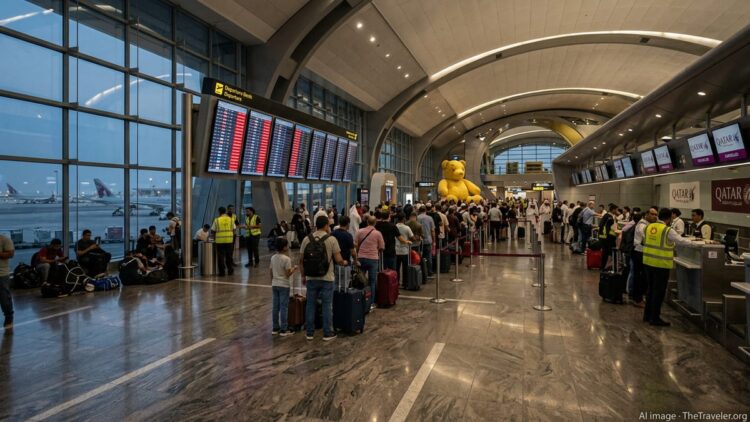
Doha Flights Cut as Qatari Airspace Closure Hits Tourism
Comprehensive Summarization:
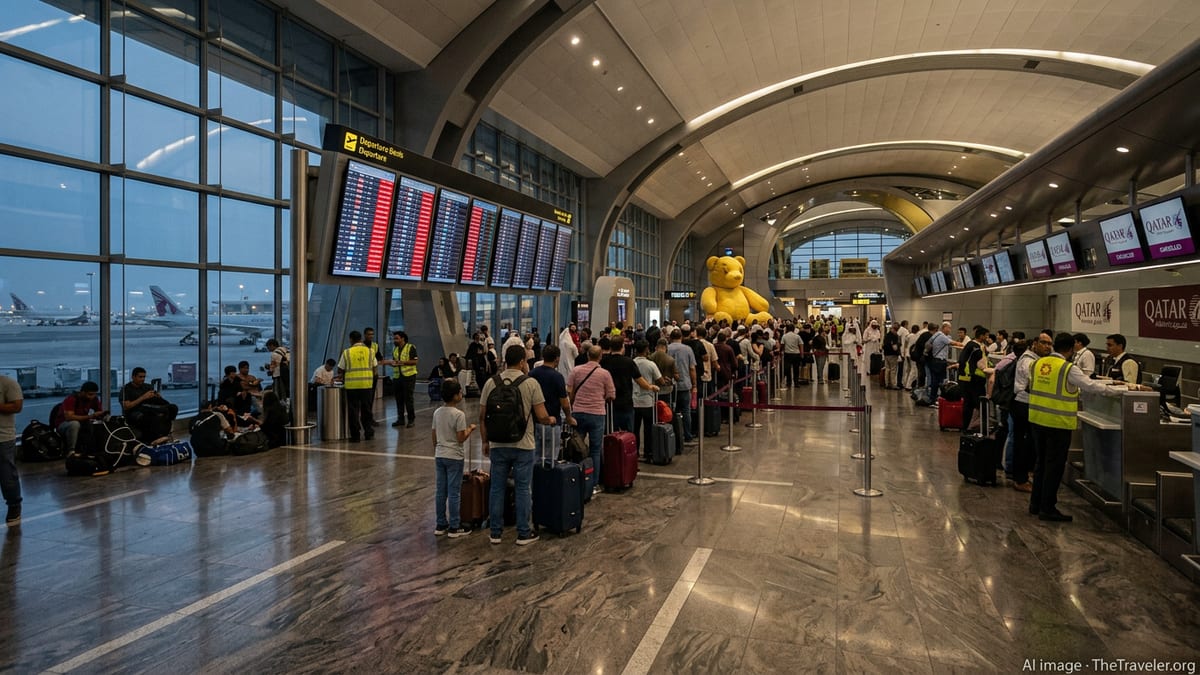
The article discusses the significant impact of the airspace closure in Doha, Qatar, which has been in effect since February 28, 2026, due to escalating regional security tensions and missile and drone attacks. This closure has effectively halted most commercial flights to and from Doha, transforming Hamad International Airport into a largely quiet hub. The closure has disrupted operations at the airport and cast a shadow over Qatar’s tourism sector, impacting both the airport’s normal traffic and the broader tourism industry. The General Civil Aviation Authority of Qatar maintains the airspace closed, transforming the airport into a site handling only a trickle of flights.
Key Points:
Actionable Takeaways:
Impact on Tourism and Local Economy: The suspension of flights to and from Doha is likely to have a substantial impact on Qatar’s tourism sector, potentially leading to a decline in tourist arrivals and a subsequent effect on local businesses reliant on tourism. Travel agencies and hospitality providers should prepare for a decrease in demand and consider diversifying their marketing strategies to attract alternative markets.
Shift in Travel Patterns: The closure may prompt a shift in travel patterns among Qatari nationals and international travelers, with a possible increase in domestic tourism or a redirection of travel to other destinations perceived as safer. Travel companies and airlines operating in the region should monitor these shifts and adjust their offerings accordingly to remain competitive.
Enhanced Security Measures: The closure underscores the importance of robust security measures in the aviation industry. Airlines and airports should invest in advanced security technologies and protocols to mitigate risks associated with regional tensions. This could include enhanced screening processes, real-time threat intelligence integration, and improved communication with travelers about security measures.
Contextual Understanding:
The article reflects the current state of the travel industry amidst heightened regional security concerns. The closure of Doha’s airspace is a direct response to escalating security tensions in the Gulf region, highlighting the vulnerability of travel hubs to geopolitical events. This situation is emblematic of broader trends where security concerns can significantly impact travel and tourism, prompting airlines and airports to reassess their operations and security measures. The article also points to the potential for innovation in travel tech, particularly in areas such as security technology and alternative travel planning tools, as companies seek to adapt to these challenges.
Handling Different Article Types:
The article is a news brief, providing factual information about a recent development in the travel industry. The summary captures the main theme of the airspace closure and its impact on Doha’s airport and tourism sector. Key points are extracted directly from the article, focusing on the closure’s cause, effects, and the response from authorities. Actionable takeaways are derived from the implications of the closure for the tourism sector, travel patterns, and the need for enhanced security measures. The contextual understanding section integrates the broader implications of security concerns on the travel industry, aligning with current trends and expert insights on the importance of security in travel operations.
Read the Complete Article.
Get curated travel AI insights — choose the newsletters that matter to you.
ALTOUR Expands into Thailand, Strengthening Corporate Travel Network Across Southeast Asia BANGKOK, THAILAND (25 March, 2026) – ALTOUR, a leading...
Read moreDetails


Comprehensive Summarization: United Airlines experienced significant travel disruptions across the United States, with 44 flights canceled and 835 delayed. This...
Read moreDetails