






No products in the cart.
- Latest
- Trending

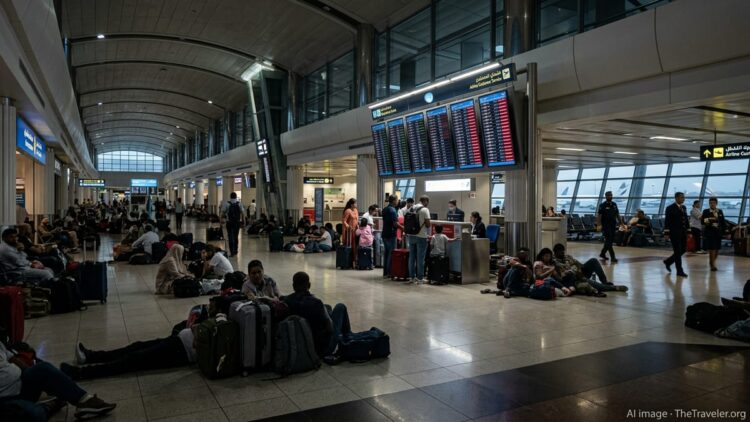
Dubai, Doha Airport Shutdowns Hammer March 2026 Tourism
Comprehensive Summarization:
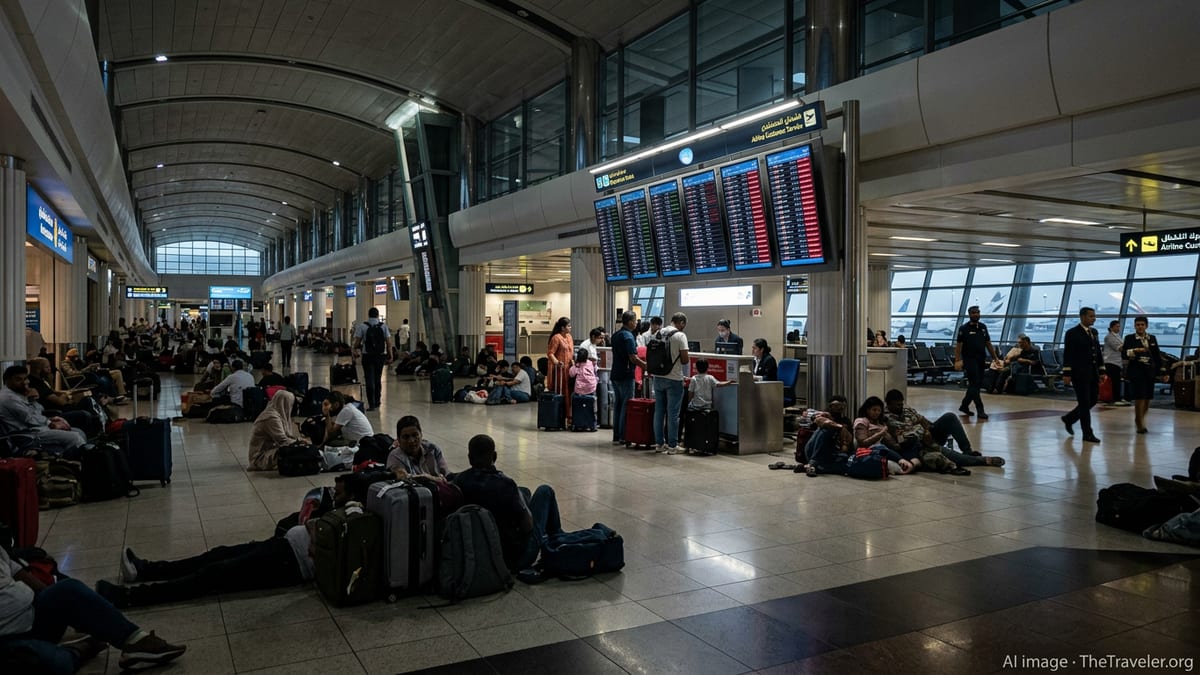
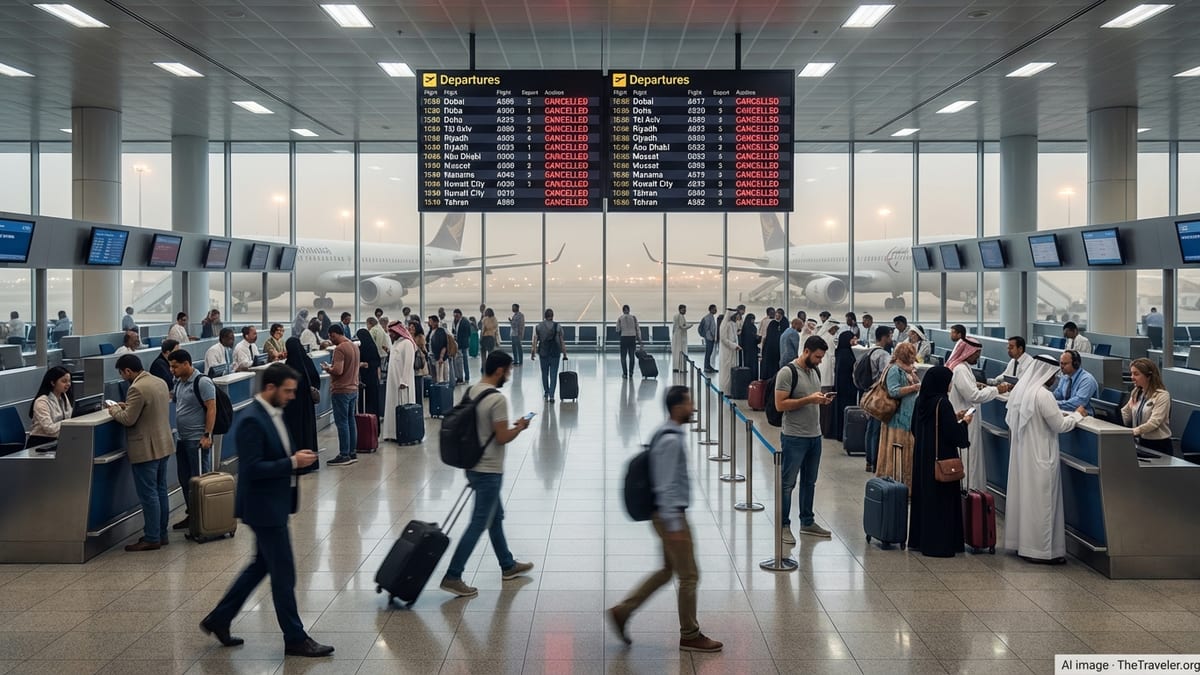
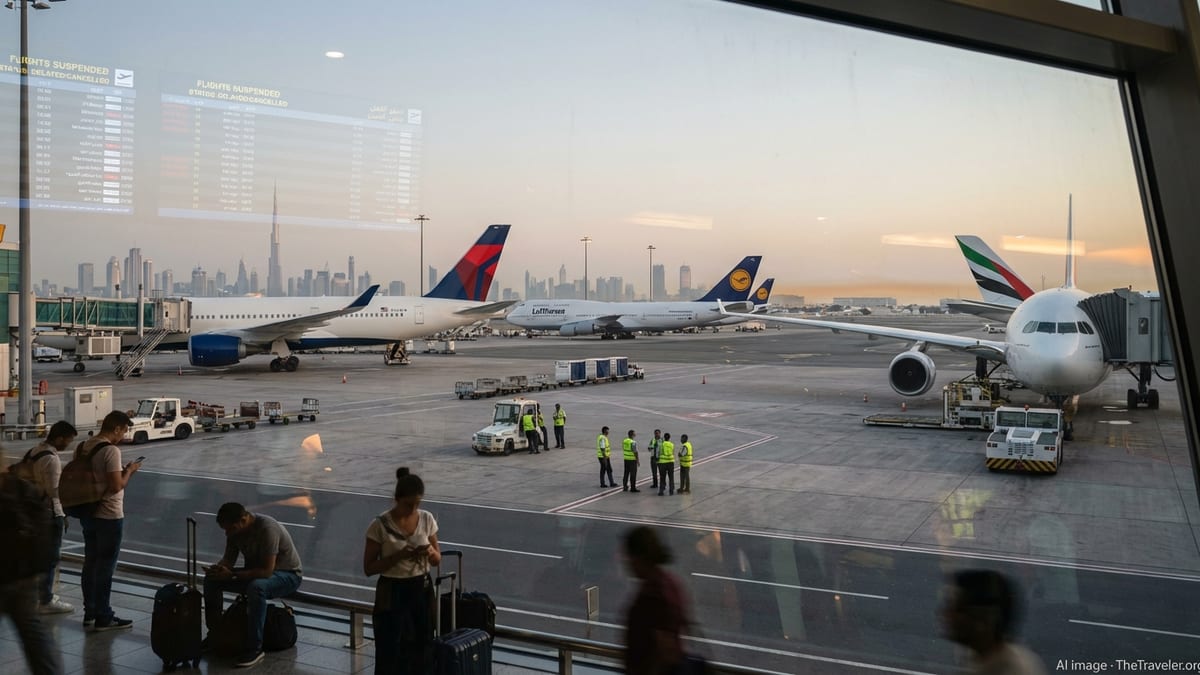
The article discusses the significant impact of the escalating Iran conflict on the Middle East’s travel industry, particularly focusing on Dubai and Doha airports. The conflict has led to unprecedented airport shutdowns, grounding the Gulf’s biggest hubs and causing widespread disruption to global travel networks. This has resulted in stranded tourists and dealt a severe blow to Middle East tourism in March 2026. The article highlights the swift response of authorities to shut or severely restrict air corridors following Iranian missile and drone strikes on key infrastructure. It underscores the ripple effect of these events across the travel industry, emphasizing the vulnerability of the region’s air travel infrastructure to geopolitical tensions.
Key Points:
Actionable Takeaways:
Risk Management in Travel Industry: Travel companies should enhance their risk management strategies to anticipate and mitigate the impacts of geopolitical tensions on air travel. This includes developing contingency plans for airport closures and no-fly zones, ensuring business continuity, and safeguarding customer interests during crises.
Investment in Air Travel Infrastructure Resilience: There is a pressing need for investment in the resilience of air travel infrastructure in the Middle East. This could involve upgrading security measures, diversifying air corridors, and ensuring redundancy in critical infrastructure to withstand geopolitical shocks.
Collaboration with Authorities and Stakeholders: Travel companies should collaborate closely with authorities and other stakeholders to stay informed about evolving geopolitical situations. This collaboration can facilitate proactive measures, such as real-time updates on travel advisories and coordinated responses to airport closures or no-fly zones.
Contextual Insights:
The article reflects the current state of the travel industry, where geopolitical tensions can have immediate and severe consequences on travel networks and tourism. The recent escalation in the U.S., Israel, and Iran conflict serves as a stark reminder of the vulnerability of the travel industry to external shocks. This context is crucial for understanding the urgency of developing robust risk management strategies and investing in resilient infrastructure. Furthermore, the article aligns with the latest travel trends, emphasizing the importance of adaptability and foresight in navigating unpredictable global events. Thought leaders in the travel industry are increasingly advocating for proactive measures to safeguard against such disruptions, making the insights from this article highly relevant for professionals in the sector.
Read the Complete Article.
Get curated travel AI insights — choose the newsletters that matter to you.
ALTOUR Expands into Thailand, Strengthening Corporate Travel Network Across Southeast Asia BANGKOK, THAILAND (25 March, 2026) – ALTOUR, a leading...
Read moreDetails


Vienna, Austria — April 1, 2024 In short: Miiro Hotels, owned by InterGlobe Enterprises, completes six European hotel openings with...
Read moreDetails