




No products in the cart.
- Latest
- Trending

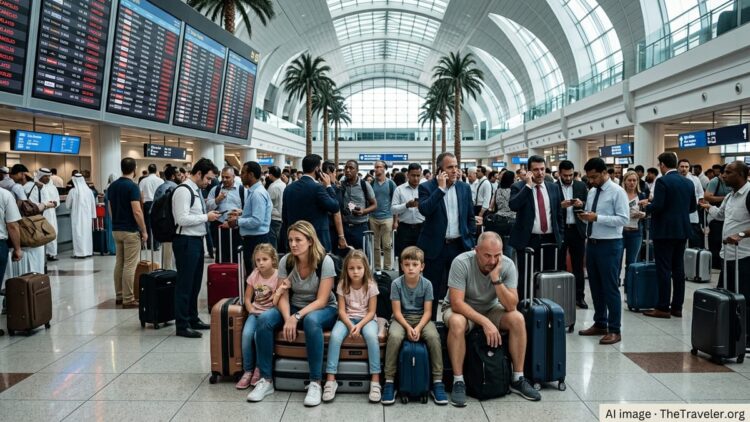
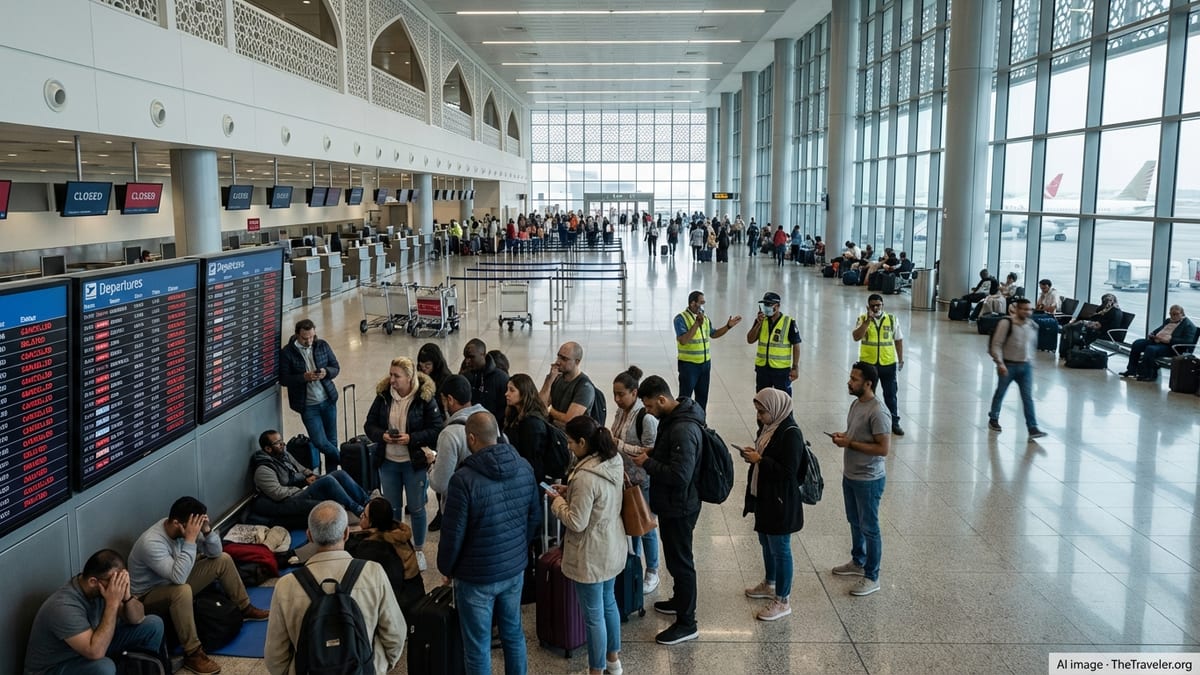
Dubai and Doha Tourism Rocked by Flight Chaos and Refund Fights
Comprehensive Summarization:
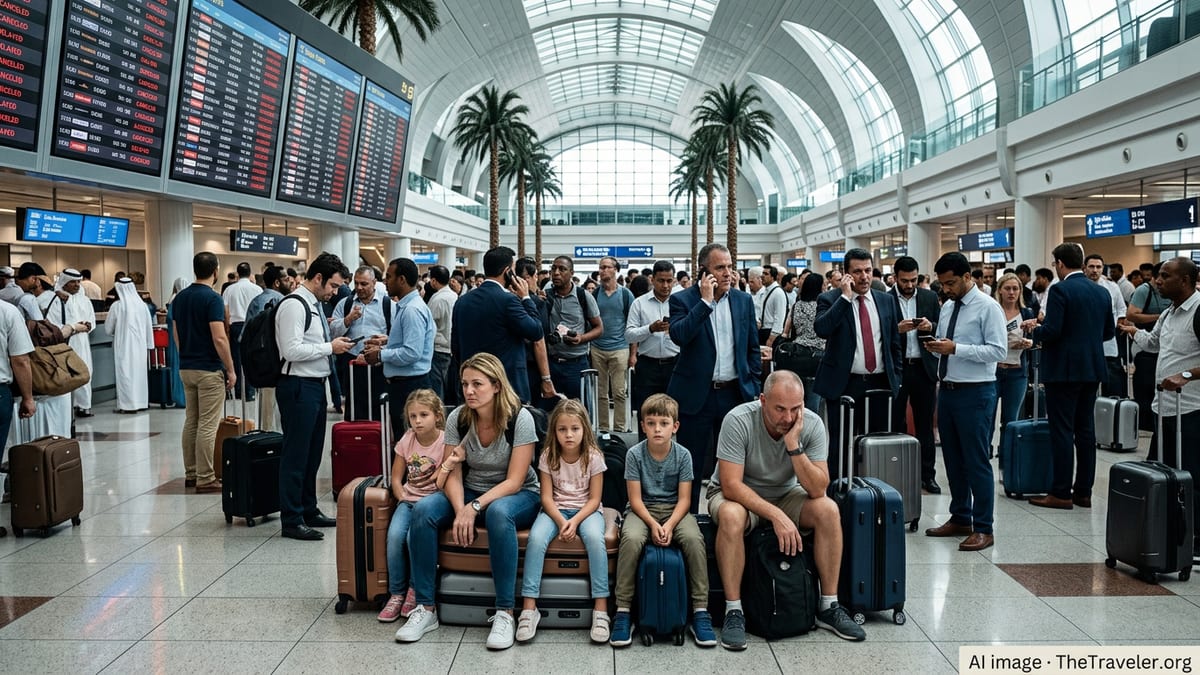
The article highlights the severe crisis currently affecting Dubai and Doha, two of the world’s busiest aviation and tourism hubs. Triggered by the escalating conflict involving Iran, the United States, and Israel, the crisis has led to airspace closures, mass flight cancellations, and a significant battle over airline refunds. Dubai International Airport and Doha’s Hamad International Airport have seen their schedules drastically reduced, transforming these once-bustling megahubs into pressure cookers. The conflict has disrupted normal operations, causing significant inconvenience for travelers and posing challenges for the tourism and aviation industries in the region.
Key Points:
Actionable Takeaways:
Diversification of Travel Routes: Given the vulnerability of major hubs like Dubai and Doha to geopolitical conflicts, travel companies should consider diversifying their travel routes and destinations to mitigate risks associated with airspace closures and flight cancellations. This strategy could help maintain a steady flow of travelers and reduce dependency on a few key hubs.
Enhanced Communication with Travelers: Airlines and travel companies should prioritize clear and timely communication with travelers regarding flight status and refunds. This proactive approach can help manage traveler expectations, reduce anxiety, and maintain trust in the brand, especially during turbulent times.
Investment in Digital Solutions: The crisis underscores the importance of robust digital solutions for managing bookings, refunds, and customer service. Investing in advanced travel tech, such as AI-driven customer service platforms and automated refund systems, can enhance operational efficiency and improve the traveler experience during crises.
Contextual Insights:
The current crisis in Dubai and Doha is a stark reminder of the travel industry’s susceptibility to geopolitical tensions. As the world becomes increasingly interconnected, such conflicts can have far-reaching impacts on travel and tourism. The article’s focus on the challenges faced by major airports like Dubai International and Doha’s Hamad International aligns with broader industry trends highlighting the need for resilience and adaptability in the face of external disruptions. Furthermore, the emphasis on airline refunds and the battle over compensation reflects the heightened sensitivity of travelers to financial implications during crises. This situation also highlights the critical role of technology in modern travel, where digital solutions can mitigate the impact of such disruptions and enhance customer trust and satisfaction. As the industry moves forward, it will be essential to integrate forward-looking perspectives, such as the increasing importance of digital transformation and strategic diversification, to navigate future uncertainties effectively.
Read the Complete Article.
Get curated travel AI insights — choose the newsletters that matter to you.
ALTOUR Expands into Thailand, Strengthening Corporate Travel Network Across Southeast Asia BANGKOK, THAILAND (25 March, 2026) – ALTOUR, a leading...
Read moreDetails


Comprehensive Summarization: The article discusses the evolving dynamics of tourism in Pattaya, Thailand, with a specific focus on the presence...
Read moreDetails