Article Summary:
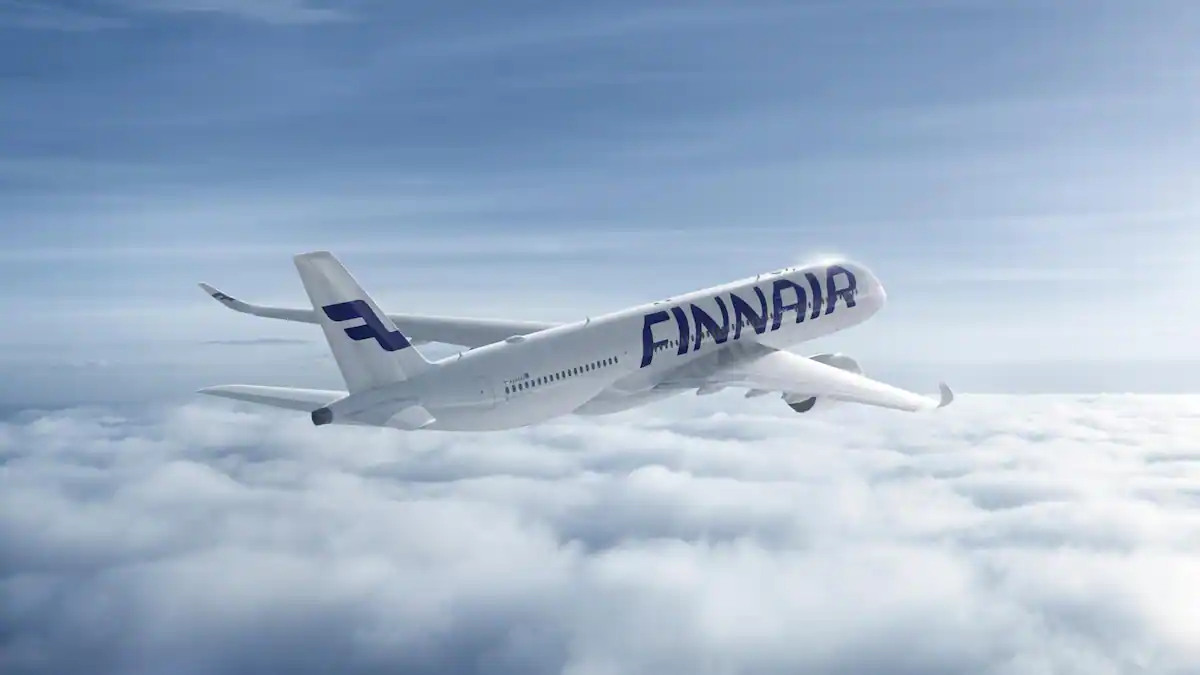
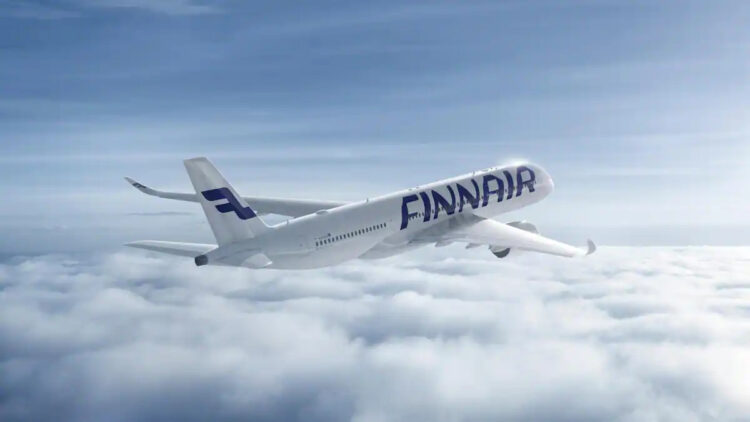
Finnair, the Finnish airline, unexpectedly grounded four flights on September 9 and 10, 2025, disrupting travel for passengers in Helsinki, Copenhagen, and Doha. The cancellations and delays affected connections between Helsinki-Vantaa, Copenhagen, and Hamad International airports, causing significant inconvenience for travelers. This disruption highlights the challenges airlines face in managing real-time flight operations, especially in a dynamic travel environment.
Key Points:
Finnair grounded four flights between Finland, Denmark, and Qatar on September 9 and 10, 2025, disrupting travel plans for passengers in Helsinki, Copenhagen, and Doha.
The disruptions affected connections at Helsinki-Vantaa, Copenhagen, and Hamad International airports, leading to cancellations and delays for numerous passengers.
The article emphasizes the impact of real-time flight data on airline operations, as FlightAware data was used to track the disruptions.
Actionable Takeaways:
Enhanced Real-Time Flight Tracking Systems: Airlines should invest in advanced real-time flight tracking systems, such as FlightAware, to better manage and communicate disruptions. This can help minimize passenger inconvenience and improve overall operational efficiency.
Flexible Passenger Policies: Airlines should consider implementing more flexible policies for passengers affected by flight disruptions. Offering options like rebooking, refunds, or upgrades can help maintain customer satisfaction and loyalty during challenging times.
Proactive Communication: Airlines must improve their communication strategies during disruptions. Providing passengers with timely updates and clear instructions can help manage expectations and reduce stress during travel disruptions.
Contextual Insights:
The disruption caused by Finnair underscores the importance of real-time data and agile operational strategies in the travel industry. As travel continues to recover post-pandemic, airlines must adapt to the increasing complexity of global air travel. The use of advanced technologies like FlightAware is crucial for managing flight operations effectively. Additionally, the incident highlights the need for airlines to prioritize passenger communication and flexibility, which are becoming increasingly important in shaping customer expectations and loyalty. This event also reflects broader trends in the travel industry, where technology and customer-centric policies play pivotal roles in maintaining operational resilience and competitive advantage.