




No products in the cart.
- Latest
- Trending

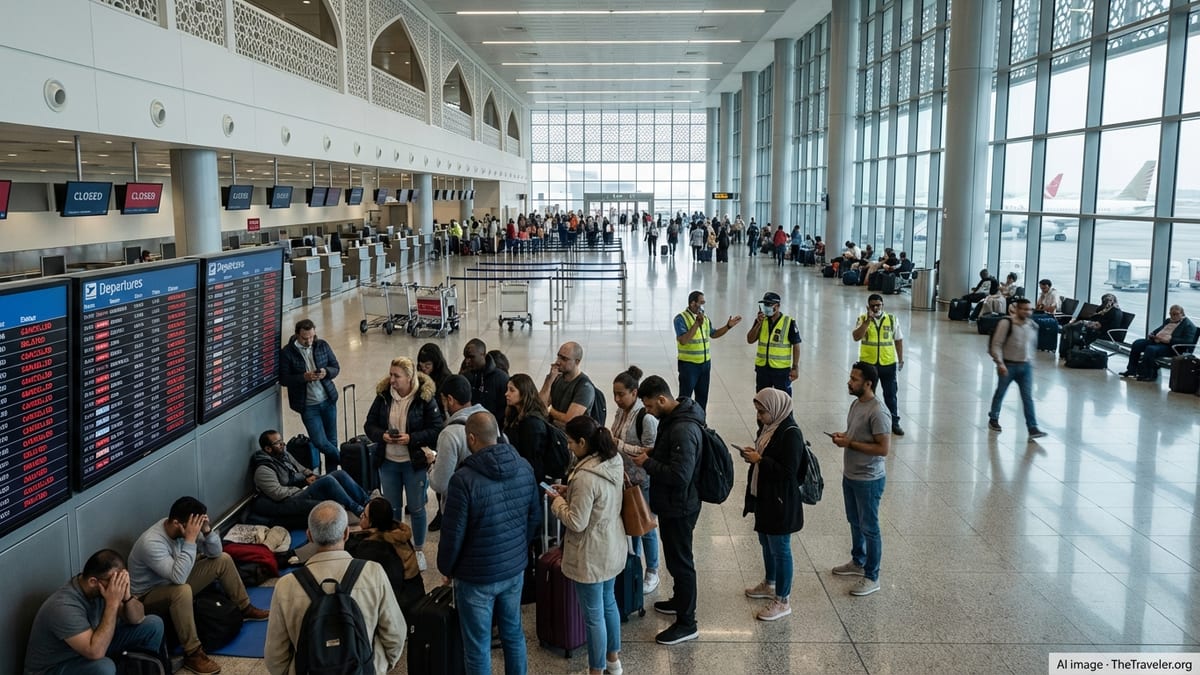
Hundreds of Passengers Stranded at Hong Kong International Airport as New US-Israeli Airstrike Force...
Comprehensive Summarization:
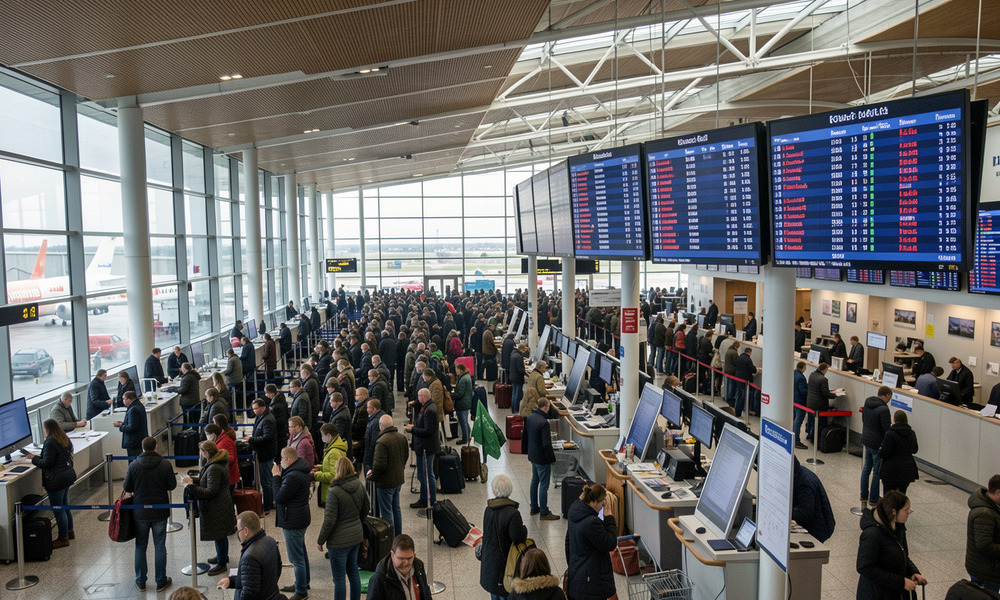
On March 1, 2026, Hong Kong International Airport faced significant disruptions when a joint US-Israeli airstrike on Iran led to airspace closures across the Middle East. This resulted in numerous flights to key destinations such as Riyadh, Doha, and Dubai being either cancelled or delayed, stranding hundreds of passengers and causing confusion. The attack’s immediate impact on flight operations highlighted the vulnerability of travel routes in the region, prompting a wave of cancellations and delays that left travelers in a state of limbo. The article underscores the challenges faced by the travel industry amidst escalating geopolitical tensions and the subsequent ripple effects on flight schedules and passenger experiences.
Key Points:
Actionable Takeaways:
Implement Flexible Cancellation Policies: Airlines should consider offering more flexible cancellation policies to mitigate the impact of geopolitical disruptions on passenger travel plans. This can help reduce the financial burden on travelers and improve customer satisfaction during times of uncertainty.
Enhance Real-Time Communication: Travel companies should invest in real-time communication systems to keep passengers informed about flight status changes. This proactive approach can help manage passenger expectations and reduce confusion during disruptions caused by external events.
Diversify Travel Itineraries: Travel agencies and tour operators should encourage diversification of travel itineraries to spread risk across different destinations. By offering alternative routes or destinations, they can help mitigate the impact of airspace closures and flight cancellations on their clients.
Contextual Insights:
The recent airstrike on Iran and its subsequent impact on flight operations in the Middle East highlight the interconnectedness of global travel networks and the vulnerability of travel routes to geopolitical events. This incident underscores the importance of real-time communication and flexible travel policies in managing the uncertainties brought about by such events. As geopolitical tensions continue to rise, the travel industry must adapt by leveraging technology to enhance operational resilience and improve passenger experiences. Furthermore, the incident serves as a reminder of the need for strategic diversification in travel planning to reduce dependency on specific routes and destinations, thereby enhancing overall industry stability.
Read the Complete Article.
Get curated travel AI insights — choose the newsletters that matter to you.
ALTOUR Expands into Thailand, Strengthening Corporate Travel Network Across Southeast Asia BANGKOK, THAILAND (25 March, 2026) – ALTOUR, a leading...
Read moreDetails


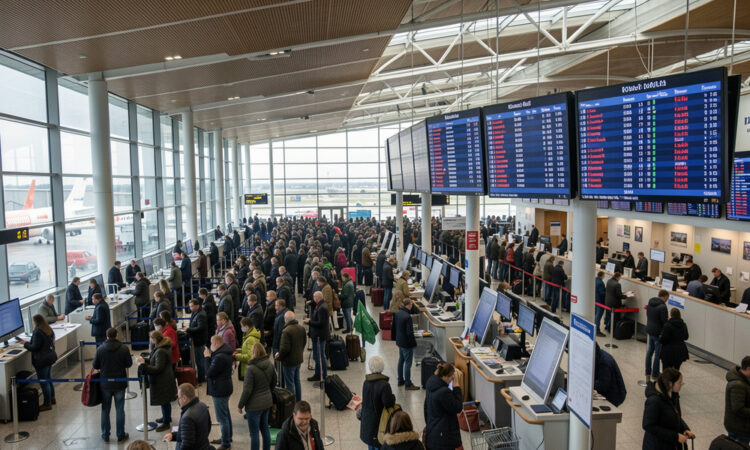
Comprehensive Summarization: The article discusses the evolving dynamics of tourism in Pattaya, Thailand, with a specific focus on the presence...
Read moreDetails