





No products in the cart.
- Latest
- Trending

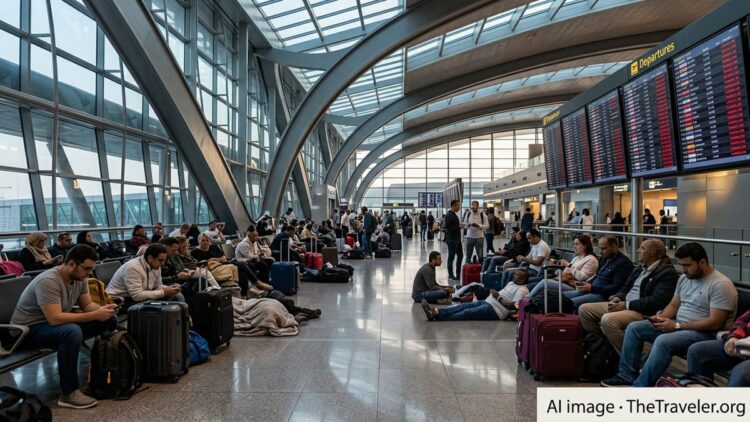
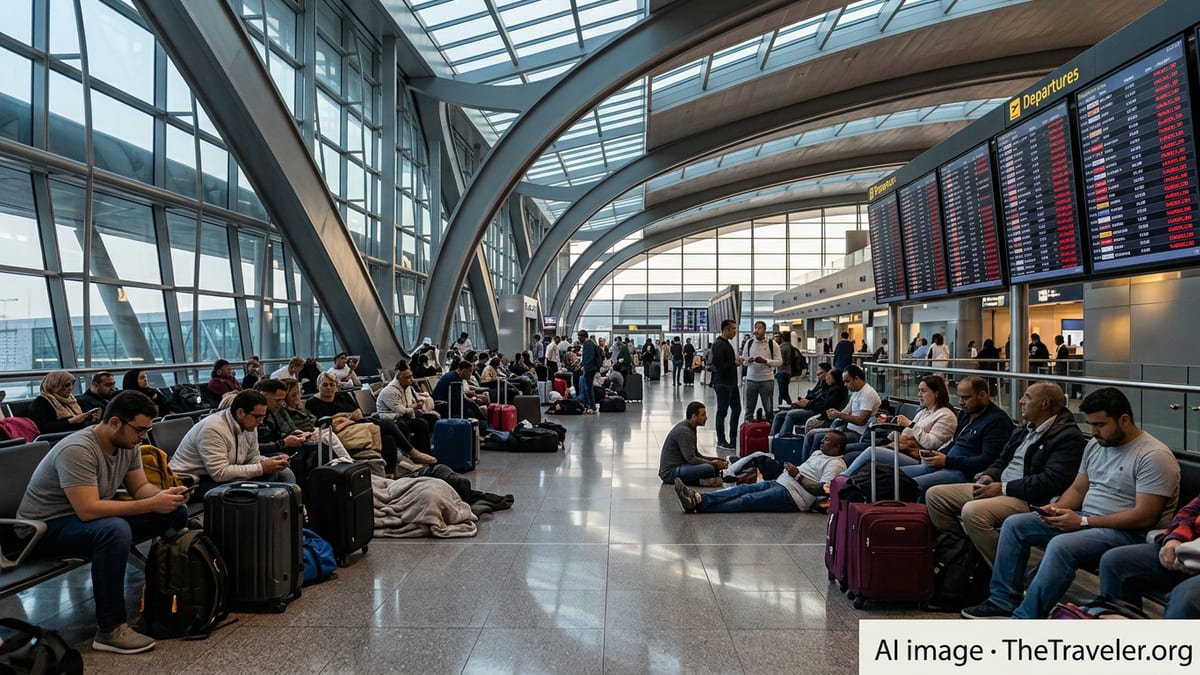
Iran Strikes Throw Doha’s Hamad International Into Chaos
Comprehensive Summarization:
Hamad International Airport in Doha, a top aviation hub, has been forced to shut down operations following targeted Iranian missile strikes and airspace closures. The Civil Aviation Authority of Qatar ordered the suspension of all aircraft movements after Iranian missiles targeted key infrastructure around Doha, including the airport vicinity. Regional air defenses intercepted most of the barrage, but the closure had a significant impact on global travel networks. The article highlights the disruption caused by the missile threat and the subsequent shutdown, emphasizing the vulnerability of major aviation hubs to geopolitical tensions.
Key Points:
Actionable Takeaways:
Enhanced Security Measures: The incident underscores the need for enhanced security measures at major aviation hubs. Implementing advanced missile detection and interception systems can help mitigate the risk of similar disruptions in the future. This is particularly relevant for airports in regions with geopolitical tensions, ensuring they remain operational and safe for travelers.
Diversification of Travel Routes: Airlines and travel agencies should consider diversifying travel routes to reduce dependency on single hubs. By spreading travel across multiple airports, the impact of disruptions at any one location can be minimized. This strategy can help maintain continuity in global travel networks, even in the face of geopolitical challenges.
Collaborative Risk Management: Collaboration among aviation authorities, airlines, and security agencies is crucial for effective risk management. Sharing real-time intelligence and coordinating responses to potential threats can enhance the resilience of aviation hubs. Establishing joint task forces or emergency response protocols can facilitate quicker and more coordinated reactions to security incidents, reducing the overall impact on travel operations.
Contextual Understanding:
The article reflects the current state of the travel industry, where geopolitical tensions can have immediate and severe consequences for major aviation hubs. The closure of Hamad International Airport highlights the vulnerability of these hubs to external threats, emphasizing the need for robust security measures. The incident also underscores the importance of real-time communication and collaboration among stakeholders to manage crises effectively. In the context of current travel trends, the focus on security and resilience is increasingly critical, especially as travel patterns evolve and new technologies are integrated into aviation operations. Thought leaders suggest that the industry must continue to innovate in security technologies and operational strategies to ensure the continuity and safety of global travel networks.
Handling Different Article Types:
The article provided is a news blurb, offering factual information about a recent event impacting the travel industry. The analysis and insights generated are based solely on the facts and context presented in the article, without incorporating opinion pieces or feature articles. The structured output format ensures clarity and ease of integration into professional materials, such as reports or presentations, for a professional audience.
Read the Complete Article.
Get curated travel AI insights — choose the newsletters that matter to you.
ALTOUR Expands into Thailand, Strengthening Corporate Travel Network Across Southeast Asia BANGKOK, THAILAND (25 March, 2026) – ALTOUR, a leading...
Read moreDetails


Comprehensive Summarization: The article discusses the firing of an Indonesian immigration officer at Batam's seaport following reports of extortion against...
Read moreDetails