







No products in the cart.
- Latest
- Trending

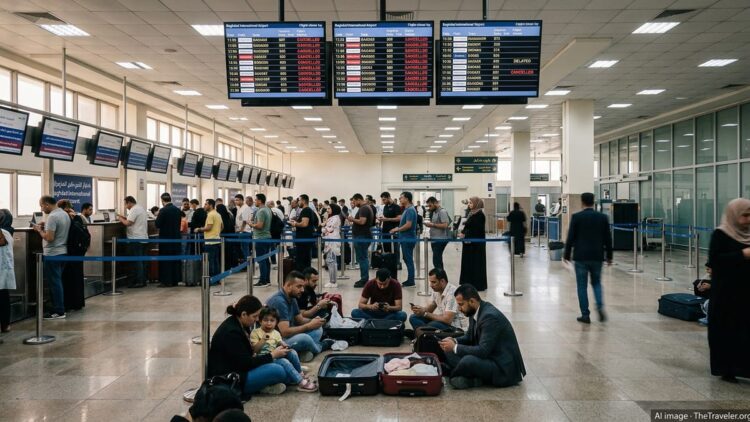
Iraq Flight Chaos as Airlines Cancel Key Baghdad Routes
Comprehensive Summarization:
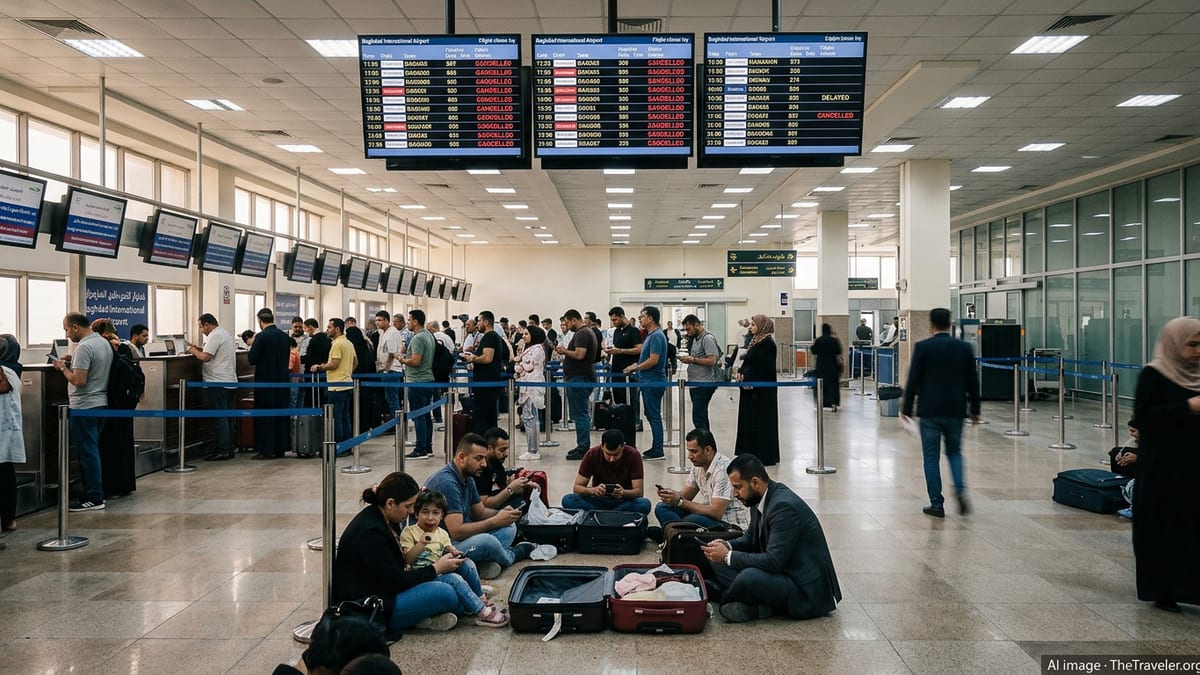
The article reports on a significant disruption in air travel across Iraq, with at least 20 flights to and from Baghdad, Erbil, Sulaymaniyah, and Kirkuk cancelled on March 8. This disruption was attributed to security and airspace restrictions across the wider Middle East, affecting carriers such as Iraqi Airways, Flynas, Emirates, and Qatar Airways. The cancellations followed a series of airspace closures and restrictions that began on February 28, triggered by heightened regional tensions involving Iran, Iraq, and several Gulf states. The article highlights the impact of these disruptions on the travel industry, emphasizing the need for airlines to adjust their schedules in response to the evolving security landscape in the region.
Key Points:
Actionable Takeaways:
Flexible Scheduling for Airlines: Airlines operating in the Middle East should implement flexible scheduling policies to quickly adapt to security and airspace restrictions. This adaptability is crucial for minimizing disruptions and maintaining operational efficiency in a volatile region.
Enhanced Security Coordination: There is a need for enhanced coordination among airlines, governments, and security agencies to swiftly respond to regional tensions. Improved communication channels can facilitate rapid adjustments to flight schedules and airspace restrictions, thereby reducing the impact on travelers and the industry.
Investment in Travel Tech Solutions: The article underscores the importance of leveraging travel technology to manage disruptions effectively. Investing in advanced scheduling software, real-time flight tracking, and automated communication systems can help airlines and travel agencies respond swiftly to changes in the travel landscape, ensuring smoother operations and enhanced customer satisfaction.
Contextual Understanding:
The article reflects the current state of the travel industry in the Middle East, where security and geopolitical tensions significantly impact air travel. The recent cancellations and adjustments in flight schedules are indicative of the region’s vulnerability to geopolitical developments. The article also highlights the role of travel technology in managing such disruptions, aligning with the broader trend of digital transformation in the travel sector. Thought leaders emphasize the importance of agile responses to security threats and the strategic use of technology to mitigate risks and maintain service continuity.
Handling Different Article Types:
The article is a news brief providing factual information about recent air travel disruptions in Iraq. It does not present an opinion piece or a feature article but focuses on reporting the facts and their implications. The structured output format ensures that the information is presented clearly and concisely, suitable for a professional audience seeking actionable insights.
markdown
Comprehensive Summarization:
The article reports on a significant disruption in air travel across Iraq, with at least 20 flights cancelled on March 8 due to security and airspace restrictions across the Middle East. The cancellations followed a series of restrictions initiated on February 28, triggered by heightened regional tensions involving Iran, Iraq, and several Gulf states.
Key Points:
Actionable Takeaways:
Contextual Insights:
The article reflects the current state of the travel industry in the Middle East, where security and geopolitical tensions significantly impact air travel. The recent cancellations and adjustments in flight schedules are indicative of the region’s vulnerability to geopolitical developments. The article also highlights the role of travel technology in managing such disruptions, aligning with the broader trend of digital transformation in the travel sector. Thought leaders emphasize the importance of agile responses to security threats and the strategic use of technology to mitigate risks and maintain service continuity.
Read the Complete Article.
Get curated travel AI insights — choose the newsletters that matter to you.
ALTOUR Expands into Thailand, Strengthening Corporate Travel Network Across Southeast Asia BANGKOK, THAILAND (25 March, 2026) – ALTOUR, a leading...
Read moreDetails


Albany, Western Australia — April 4, 2025 In short: Perth woman Naomi Marie Duckett reported missing near Albany's Gap Natural...
Read moreDetails