





No products in the cart.
- Latest
- Trending

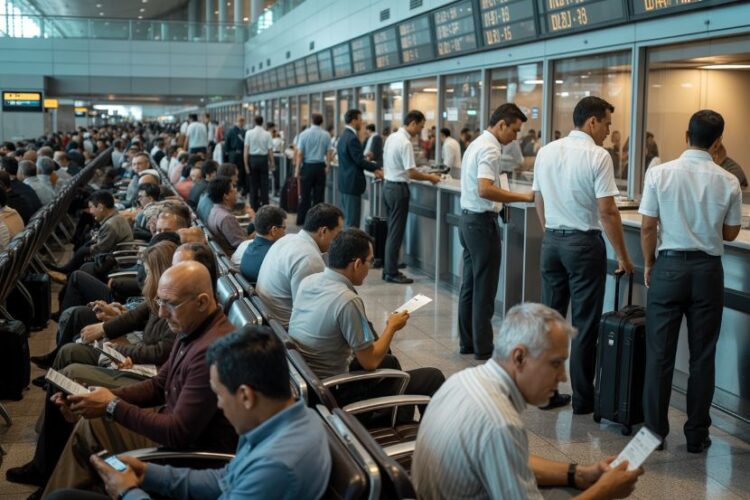
Escalating Regional Tensions Lead to 1452 Flight Cancellations and 55 Delays Across the Middle East:...
Comprehensive Summarization:
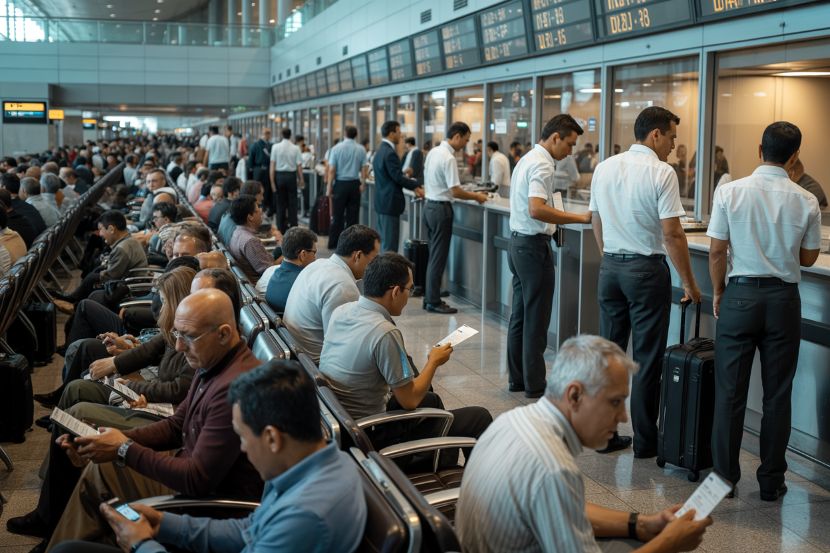
The article reports a significant disruption in air travel across the Middle East and Asia, caused by severe weather conditions that have led to the cancellation of over 1,452 flights and 55 delays. The affected airlines include Emirates, Qatar Airways, FlyDubai, and Etihad Airways, with cancellations impacting travelers in countries such as the United Arab Emirates, Bahrain, India, Jordan, and beyond. The poor weather conditions have resulted in widespread disruption, causing significant inconvenience for passengers and highlighting the vulnerability of air travel to natural disasters in the region.
Key Points:
Actionable Takeaways:
Implement Flexible Cancellation Policies: Airlines should consider adopting more flexible cancellation policies to mitigate the impact of severe weather disruptions on passengers. This could include offering refunds or rebooking options with minimal penalties, enhancing customer satisfaction during unforeseen disruptions.
Invest in Weather Forecasting Technologies: Airlines and travel companies should invest in advanced weather forecasting technologies to better predict and prepare for severe weather events. This proactive approach can help in minimizing cancellations and delays, thereby improving operational efficiency and passenger experience.
Enhance Passenger Communication Systems: Strengthening communication systems to promptly inform passengers about cancellations and delays is crucial. Real-time updates via mobile apps, emails, and social media can help manage passenger expectations and reduce anxiety during disruptions.
Contextual Insights:
The article reflects the ongoing challenges faced by the travel industry in managing disruptions caused by natural disasters. The reliance on advanced weather forecasting technologies and flexible policies is increasingly becoming a necessity rather than a luxury. As climate change continues to impact global weather patterns, the travel industry must adapt by integrating resilient technologies and policies. This not only helps in managing immediate disruptions but also in building long-term resilience against future weather-related challenges. The focus on passenger communication underscores the importance of transparency and trust in maintaining customer loyalty during turbulent times.
Read the Complete Article.
Get curated travel AI insights — choose the newsletters that matter to you.
ALTOUR Expands into Thailand, Strengthening Corporate Travel Network Across Southeast Asia BANGKOK, THAILAND (25 March, 2026) – ALTOUR, a leading...
Read moreDetails


Comprehensive Summarization: The article discusses the firing of an Indonesian immigration officer at Batam's seaport following reports of extortion against...
Read moreDetails