









No products in the cart.
- Latest
- Trending

Qatar Airways Boeing 787 Emergency Landing in Chennai: Quick Response Ensures Safety of 314 Passenge...
Article Summary:
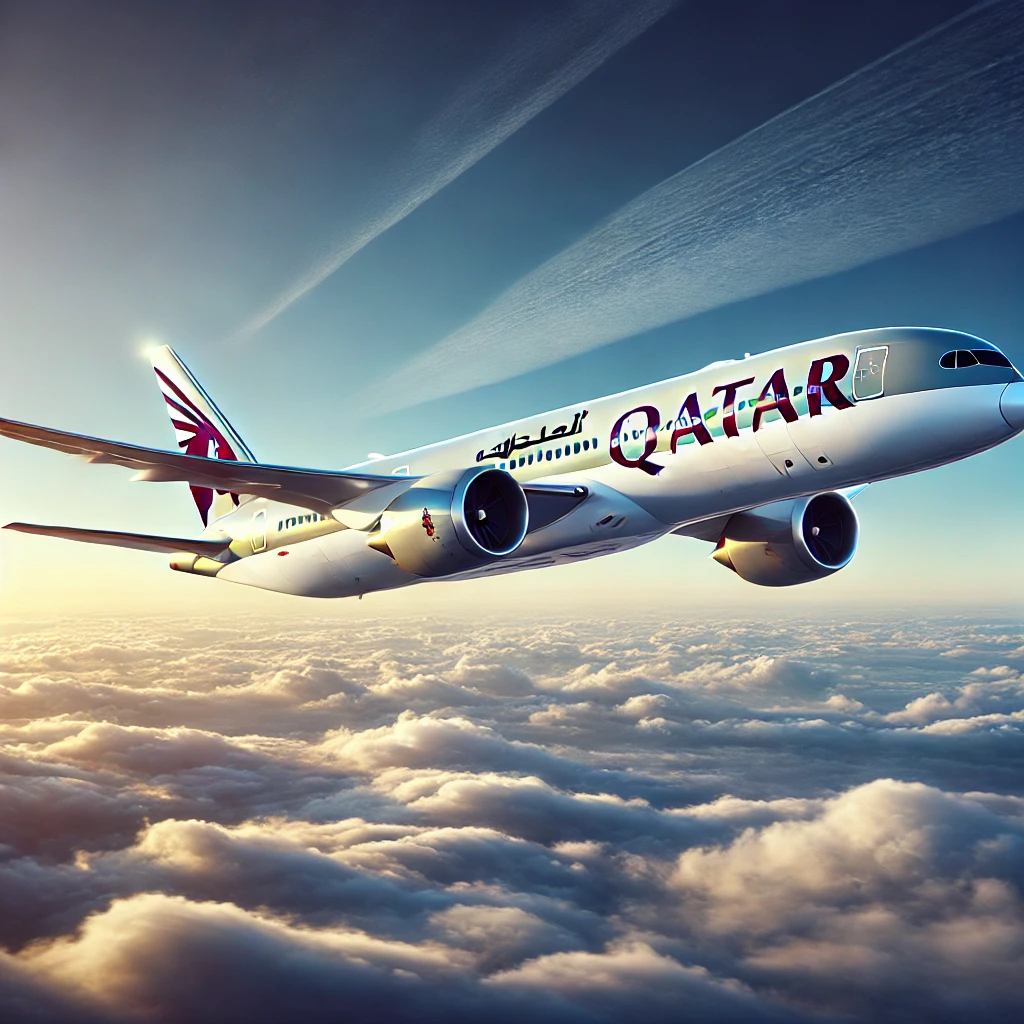
On April 28, 2025, a Qatar Airways Boeing 787-9 Dreamliner experienced a brake system malfunction during its flight from Doha to Chennai, necessitating an emergency landing at Chennai International Airport. Despite the technical issue, the aircraft was safely brought to the runway, and all 314 passengers were unharmed. The incident underscores the critical importance of timely response and effective safety protocols in aviation.
Key Points:
Actionable Takeaways:
Contextual Insights:
The incident with Qatar Airways highlights the ongoing importance of safety and reliability in the aviation industry, especially as airlines continue to navigate challenges related to technical malfunctions and passenger safety. The fact that all passengers were unharmed despite the emergency landing underscores the effectiveness of the pilot’s response and the aircraft’s design. This event also serves as a reminder of the critical role that maintenance and safety protocols play in the aviation sector. Looking forward, the industry may see increased investment in advanced safety technologies and training programs to further mitigate risks and enhance passenger confidence. Additionally, the incident could prompt airlines to reassess their emergency response strategies, potentially integrating more robust real-time monitoring and communication systems to ensure swift and effective responses to technical issues.
Read the Complete Article.
Get curated travel AI insights — choose the newsletters that matter to you.
ALTOUR Expands into Thailand, Strengthening Corporate Travel Network Across Southeast Asia BANGKOK, THAILAND (25 March, 2026) – ALTOUR, a leading...
Read moreDetails


Vũng Tàu, Vietnam — August 2023 In short: Sun World Vũng Tàu opens as a new beachfront entertainment destination with...
Read moreDetails