





No products in the cart.
- Latest
- Trending

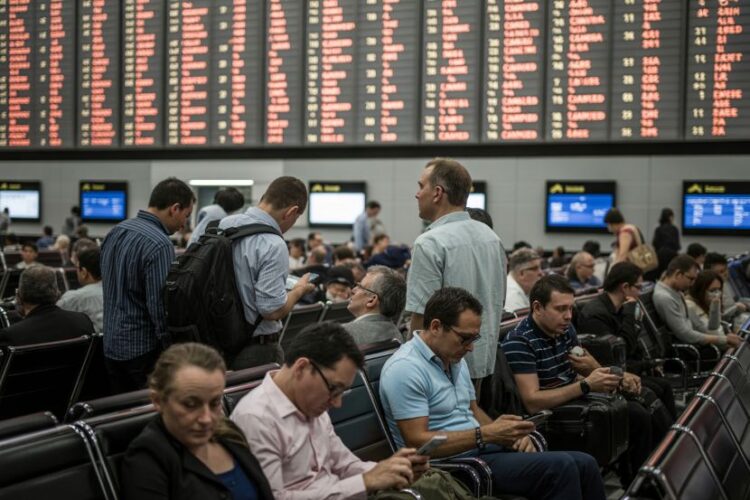
Qatar’s Tourism Recession: How the Missile Strike on February 28, 2026, Sparks a Surge in Cancellati...
Comprehensive Summarization:
On March 1, 2026, an article on Travel and Tour World reported a significant disruption in Qatar’s tourism sector following a missile strike on February 28, 2026. The attack, coupled with heightened tensions between the U.S. and Iran, led to a surge in American tourist cancellations and a rise in travel insurance claims. In response, many travelers shifted their bookings to regional destinations such as Dubai, Abu Dhabi, and Muscat. The article highlights the vulnerability of Qatar’s tourism ambitions and the broader implications for the Gulf destination’s recovery and future growth.
Key Points:
Actionable Takeaways:
Diversification of Travel Destinations: Travel agencies and tour operators should consider diversifying their destination offerings to include regional alternatives such as Dubai, Abu Dhabi, and Muscat. This strategy can help mitigate risks associated with relying heavily on a single destination and capitalize on the growing interest in these neighboring regions.
Enhanced Travel Insurance Products: Given the rise in travel insurance claims post-missile strike, insurance providers should explore enhancing their offerings to include more comprehensive coverage for travel disruptions caused by geopolitical tensions. This could include provisions for cancellations, rescheduling, and additional safety measures for travelers.
Investment in Tourism Resilience: Qatar’s tourism board and government should invest in measures to enhance the resilience of the tourism sector against external shocks. This could involve developing contingency plans for security incidents, improving communication strategies to manage public perception during crises, and leveraging digital platforms to maintain engagement with potential travelers.
Contextual Insights:
The missile strike on Qatar and the subsequent surge in cancellations and travel insurance claims highlight the interconnectedness of global events with the travel industry. The article underscores the vulnerability of destinations that are heavily reliant on a single market segment, such as American tourists, to geopolitical tensions. This situation is reflective of broader industry trends where destinations must continuously adapt to geopolitical shifts and security concerns.
In the context of current travel trends, there is a notable shift towards regional destinations as a response to such disruptions. This trend aligns with the growing preference among travelers for destinations that offer a mix of safety, cultural richness, and modern amenities. Thought leaders in the travel industry emphasize the importance of agility and adaptability in destination marketing strategies, suggesting that proactive measures to enhance resilience and diversify offerings can safeguard against future disruptions.
Moreover, the rise in travel insurance claims points to a broader trend of increased risk awareness among travelers. As geopolitical tensions rise, there is a growing demand for insurance products that provide comprehensive coverage for travel disruptions. This trend presents an opportunity for travel insurance providers to innovate and offer more tailored solutions that address the evolving needs of travelers.
In conclusion, the article provides valuable insights into the challenges faced by Qatar’s tourism sector following a significant security incident. By focusing on actionable takeaways and contextual insights, the travel industry can better prepare for and respond to future disruptions, ensuring the sustainability and growth of tourism destinations in the face of global uncertainties.
Read the Complete Article.
Get curated travel AI insights — choose the newsletters that matter to you.
ALTOUR Expands into Thailand, Strengthening Corporate Travel Network Across Southeast Asia BANGKOK, THAILAND (25 March, 2026) – ALTOUR, a leading...
Read moreDetails


Comprehensive Summarization: The article discusses the firing of an Indonesian immigration officer at Batam's seaport following reports of extortion against...
Read moreDetails