




No products in the cart.
- Latest
- Trending

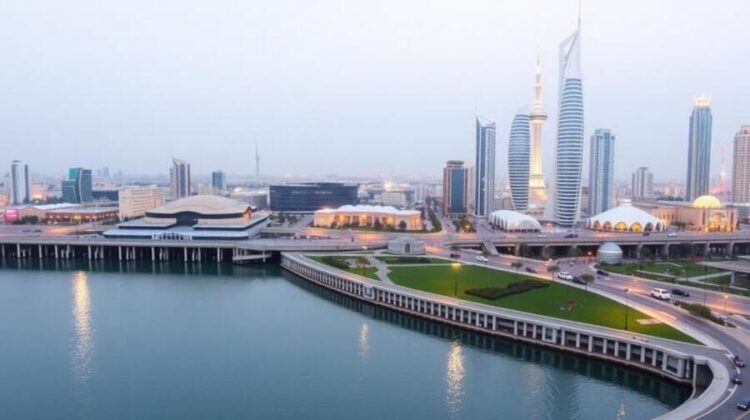
Saudi Arabia Joins Qatar, Bahrain, Turkey, UAE, Israel, And More In Struggling With Economic And Sec...
Comprehensive Summarization:
Saudi Arabia has joined a list of countries including Qatar, Bahrain, Turkey, UAE, Israel, and more, grappling with economic and security disruptions due to escalating tensions between the US and Iran. These tensions have caused significant travel impact across the Middle East, reflecting the broader geopolitical instability in the region. The article, published on January 16, 2026, highlights the ripple effects of this crisis on the travel industry, emphasizing the challenges faced by countries in the area as they navigate through economic and security uncertainties.
Key Points:
Actionable Takeaways:
Contextual Insights:
The article reflects the current state of the travel industry in the Middle East, where geopolitical tensions are a significant factor influencing economic and security conditions. The escalating US-Iran tensions have created a volatile environment, impacting not only travel but also the broader economic landscape. This context underscores the importance of adaptability and resilience in the travel sector, as companies must navigate through periods of uncertainty and potential disruptions. Forward-looking insights suggest that the industry’s ability to adapt to geopolitical changes and invest in security measures will be crucial in maintaining stability and growth. Additionally, the article highlights the need for travel companies to diversify their markets, reducing dependency on regions affected by geopolitical instability and ensuring long-term sustainability.
Read the Complete Article.
Get curated travel AI insights — choose the newsletters that matter to you.
ALTOUR Expands into Thailand, Strengthening Corporate Travel Network Across Southeast Asia BANGKOK, THAILAND (25 March, 2026) – ALTOUR, a leading...
Read moreDetails


Comprehensive Summarization: The article discusses the impact of the US-Iran war on the Middle East, particularly focusing on Turkey as...
Read moreDetails