





No products in the cart.
- Latest
- Trending

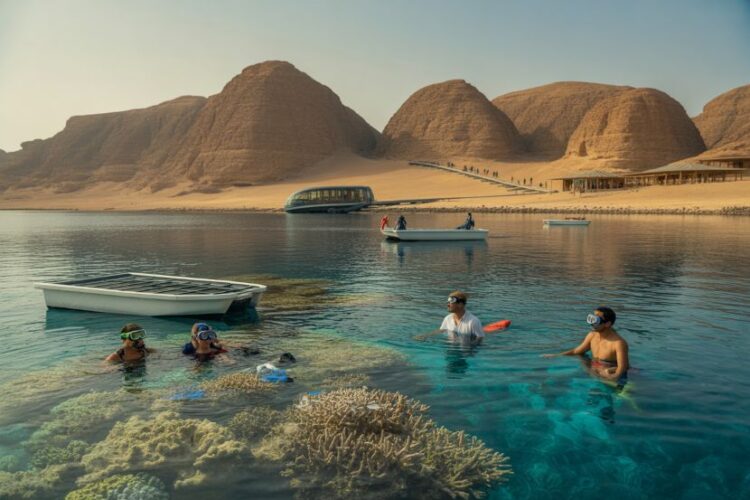
Discover Saudi Arabia’s Green Revolution in Tourism: AlUla, Diriyah, and the Red Sea Show How Conser...
Comprehensive Summarization:
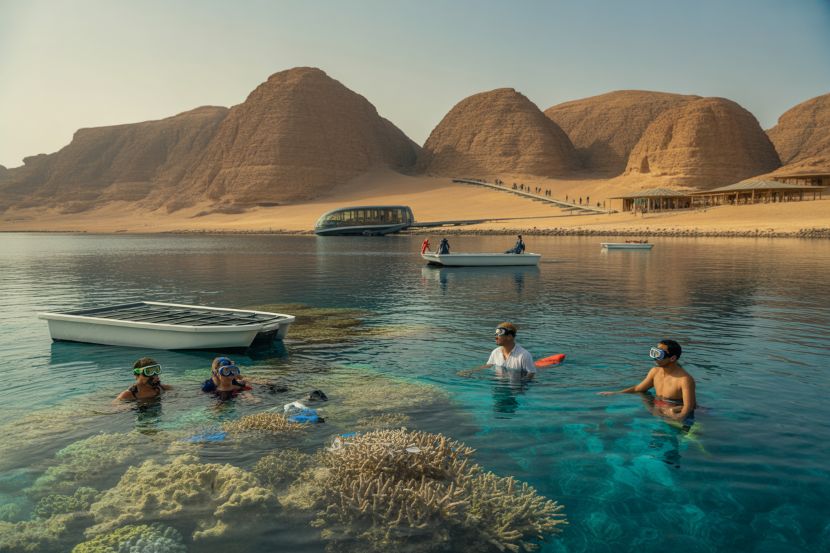
Saudi Arabia is undergoing a significant transformation in its tourism sector, focusing on conservation-led tourism to protect its natural and cultural treasures for future generations. With a target of 150 million visitors by 2030, the Kingdom is investing in sustainable development to ensure that destinations like AlUla, Diriyah, and the Red Sea remain pristine and accessible. The article highlights how these regions are setting examples of how sustainable tourism can seamlessly blend conservation with heritage preservation, catering to a growing demand for eco-friendly travel experiences.
Key Points:
Actionable Takeaways:
Invest in Sustainable Tourism Infrastructure: Travel companies and governments should prioritize the development of sustainable tourism infrastructure, focusing on eco-friendly accommodations, transportation, and waste management systems. This investment will not only help preserve natural and cultural sites but also attract a growing segment of eco-conscious travelers.
Promote Conservation-Led Tourism Experiences: Travel agencies and tour operators should develop and market experiences that highlight conservation efforts and cultural heritage preservation. By offering unique, educational, and immersive experiences, these entities can differentiate themselves in a competitive market and appeal to travelers seeking authentic and responsible travel options.
Leverage Technology for Conservation Monitoring: Utilize advanced technologies such as AI, drones, and IoT devices to monitor and manage conservation efforts in real-time. These technologies can help track environmental changes, manage visitor impact, and ensure compliance with sustainability standards, thereby enhancing the overall effectiveness of conservation-led tourism initiatives.
Contextual Insights:
The article reflects the broader trend in the travel industry towards sustainability and conservation-led tourism, driven by increasing environmental awareness and the desire for authentic travel experiences. As the global tourism sector continues to recover from the impacts of the COVID-19 pandemic, there is a growing emphasis on responsible travel practices that minimize environmental impact while supporting local economies. Thought leaders in the industry are advocating for a shift towards sustainable development models that prioritize conservation, cultural preservation, and community engagement. By adopting these practices, Saudi Arabia is not only positioning itself as a leader in sustainable tourism but also setting a precedent for other countries to follow. This forward-looking approach aligns with the latest travel trends, emphasizing the importance of technology in monitoring and managing conservation efforts, and the increasing demand for eco-friendly travel options among consumers.
Read the Complete Article.
Get curated travel AI insights — choose the newsletters that matter to you.
ALTOUR Expands into Thailand, Strengthening Corporate Travel Network Across Southeast Asia BANGKOK, THAILAND (25 March, 2026) – ALTOUR, a leading...
Read moreDetails


— April 2, 2025 In short: Flyadeal's CEO Steven Greenway resigns by his own request. Flyadeal CEO Resigns According to...
Read moreDetails