





No products in the cart.
- Latest
- Trending


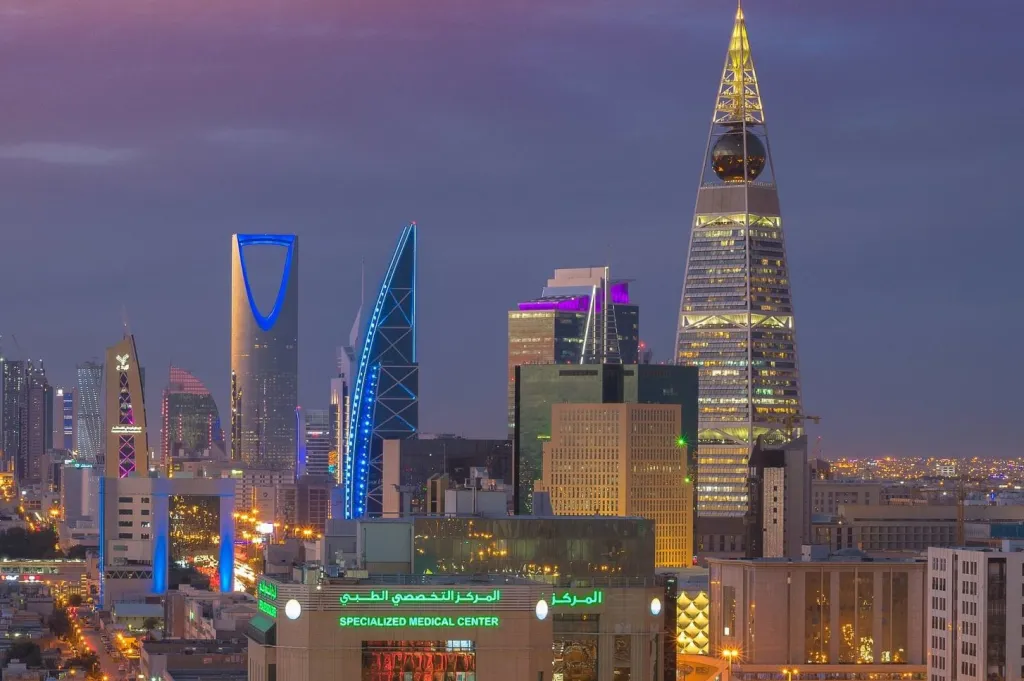
Saudi Arabia tourism surge faces war disruptions. Vision 2030 strategy navigates global conflict risks with precision.
Comprehensive Summarization:
The article discusses the challenges and adaptations faced by Saudi Arabia’s tourism sector amidst ongoing war disruptions, within the broader context of Vision 2030 strategy. Despite the pressures posed by global conflict risks, the tourism surge continues to evolve, with diversification remaining strong. Investment flows are stable, indicating resilience in the sector. The Vision 2030 strategy is navigating these risks with precision, showcasing adaptability in the face of adversity. The article underscores the importance of maintaining a diversified approach to tourism, leveraging investment stability to sustain growth and overcome disruptions.
Key Points:
Actionable Takeaways:
Adaptability in Tourism Strategy: The article underscores the importance of adaptability in tourism strategy, particularly in the face of global conflicts. Travel companies should develop contingency plans and diversify their offerings to mitigate risks associated with geopolitical instability. This adaptability is crucial for sustaining growth and ensuring long-term success in the tourism industry.
Investment Stability as a Pillar of Resilience: The stability of investment flows in Saudi Arabia’s tourism sector, despite disruptions, highlights the importance of investment stability as a key pillar of resilience. Investors should focus on sectors with stable funding, such as tourism, to ensure continued growth and development. This stability can attract further investment, fostering innovation and expansion within the sector.
Diversification for Long-Term Success: The emphasis on diversification within the tourism sector suggests that a diversified approach is essential for long-term success. By expanding into various tourism niches and markets, companies can reduce their vulnerability to disruptions in any single area. This strategy not only enhances resilience but also opens up new opportunities for growth and innovation.
Contextual Insights:
The article’s context is deeply rooted in the current geopolitical landscape, where global conflicts pose significant challenges to various industries, including tourism. Vision 2030 strategy serves as a guiding framework for Saudi Arabia’s tourism sector, emphasizing the need for adaptability and diversification. This context is crucial for understanding the sector’s resilience and the importance of strategic planning in navigating global uncertainties. Furthermore, the article reflects broader trends in the travel industry, where technological advancements and fintech innovations play a pivotal role in enhancing operational efficiency and customer experience. As the industry continues to evolve, staying abreast of these trends and integrating them into strategic planning will be key to overcoming current challenges and capitalizing on future opportunities.
Read the Complete Article.
Get curated travel AI insights — choose the newsletters that matter to you.
ALTOUR Expands into Thailand, Strengthening Corporate Travel Network Across Southeast Asia BANGKOK, THAILAND (25 March, 2026) – ALTOUR, a leading...
Read moreDetails


Comprehensive Summarization: The article discusses the challenges and adaptations faced by Saudi Arabia's tourism sector amidst ongoing war disruptions, within...
Read moreDetails