



No products in the cart.
- Latest
- Trending

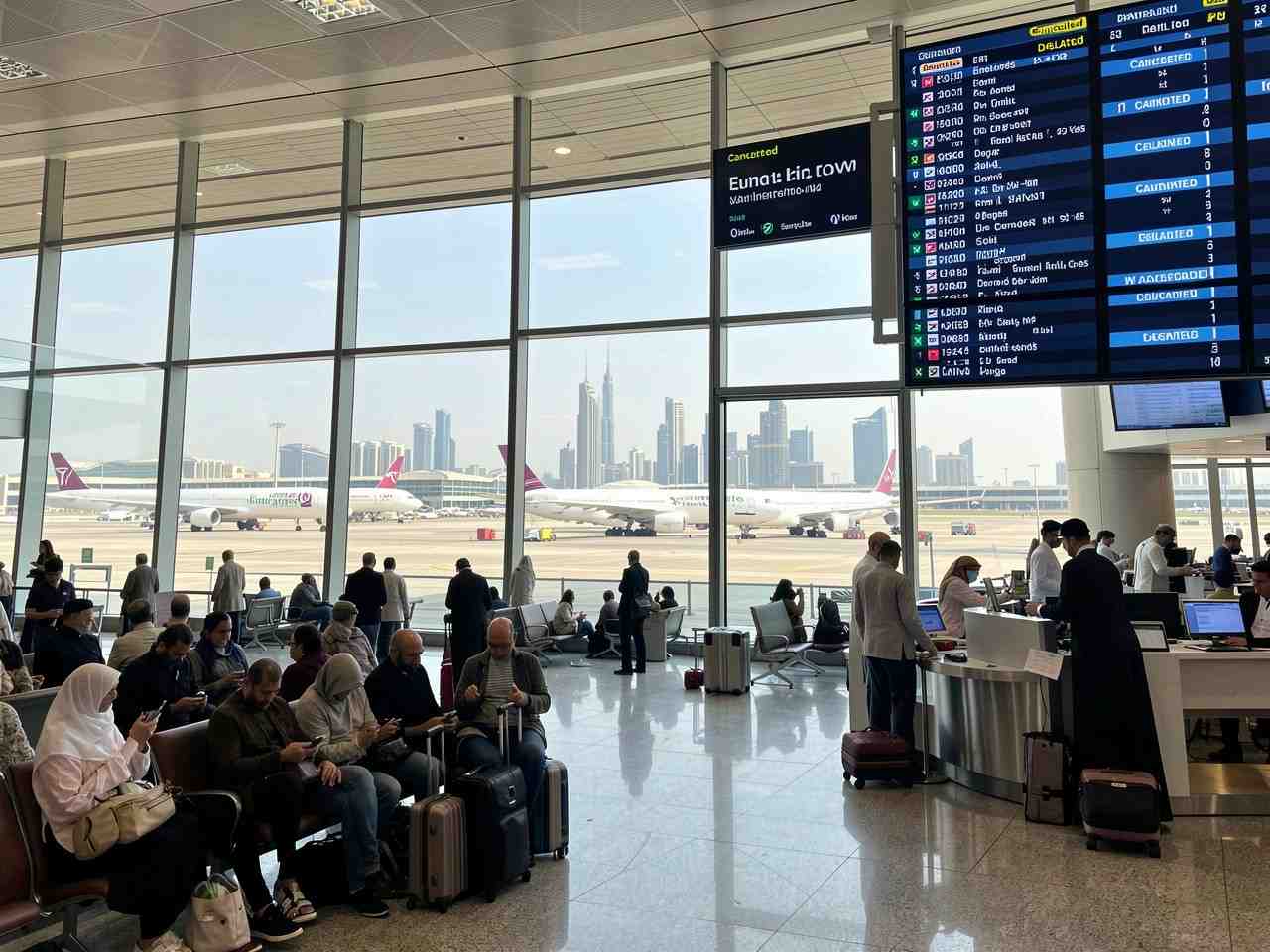
United Arab Emirates, Qatar, Saudi Arabia Tourism Faces $56 B Loss as Emirates & Qatar Airways Cance...
Comprehensive Summarization:
The article highlights the severe impact of the US-Israel-Iran conflict on the tourism sectors of the United Arab Emirates (UAE), Qatar, and Saudi Arabia. Over 20,000 flight cancellations by major carriers such as Emirates and Qatar Airways have led to a significant downturn in tourism, potentially resulting in a loss of $56 billion in tourism revenue. These countries, once considered the shining stars of the Middle East’s tourism and hospitality sectors, are now facing unprecedented challenges. The article underscores the vulnerability of the tourism industry to geopolitical tensions and the potential long-term economic repercussions for these nations.
Key Points:
Actionable Takeaways:
Diversification of Tourism Markets: Given the vulnerability of major tourism hubs like the UAE, Qatar, and Saudi Arabia to geopolitical tensions, there is a pressing need for diversification of tourism markets. Travel companies should explore emerging markets and regions less affected by geopolitical conflicts to mitigate revenue risks. This strategy could help stabilize tourism revenues and ensure long-term growth.
Investment in Digital Transformation: The article underscores the importance of digital transformation in the travel industry. With flight cancellations and travel disruptions becoming more frequent, investing in robust digital platforms for booking, customer service, and real-time updates can enhance customer experience and operational resilience. This includes leveraging AI and machine learning for predictive analytics to anticipate and mitigate travel disruptions.
Strengthening Partnerships with Local Communities: To ensure sustainable tourism growth, it is crucial for governments and tourism boards to strengthen partnerships with local communities. This includes promoting local culture, supporting local businesses, and ensuring that tourism benefits are equitably distributed. Such initiatives can enhance the appeal of these destinations and foster a more resilient tourism sector capable of withstanding geopolitical shocks.
Contextual Insights:
The article’s context is deeply rooted in the current geopolitical climate, particularly the US-Israel-Iran conflict, which has had a profound impact on international travel. This situation highlights the interconnectedness of global events with the travel industry, where geopolitical tensions can swiftly translate into economic downturns. The focus on the tourism sectors of the UAE, Qatar, and Saudi Arabia reflects broader industry trends where external shocks can lead to significant revenue losses. Looking forward, the article suggests that the travel industry must adapt to such uncertainties by embracing digital innovations and diversifying market strategies. Additionally, the emphasis on strengthening local partnerships underscores the importance of sustainable and inclusive tourism development, a trend increasingly championed by thought leaders in the industry. These insights collectively point to a future where adaptability, innovation, and strategic partnerships will be key to navigating the challenges posed by geopolitical instability.
Read the Complete Article.
Get curated travel AI insights — choose the newsletters that matter to you.
ALTOUR Expands into Thailand, Strengthening Corporate Travel Network Across Southeast Asia BANGKOK, THAILAND (25 March, 2026) – ALTOUR, a leading...
Read moreDetails


Comprehensive Summarization: The article discusses Airbnb's expansion into airport rides through private car transfers, now available in over 125 cities....
Read moreDetails