














Travel Capitalist Ventures Expands Check Size to $10 Million to Deepen Emerging Market Conviction
Boutique Travel VC raises investment cap from $1.5M to $10M to lead rounds and support portfolio companies through growth Travel...
Read moreDetails
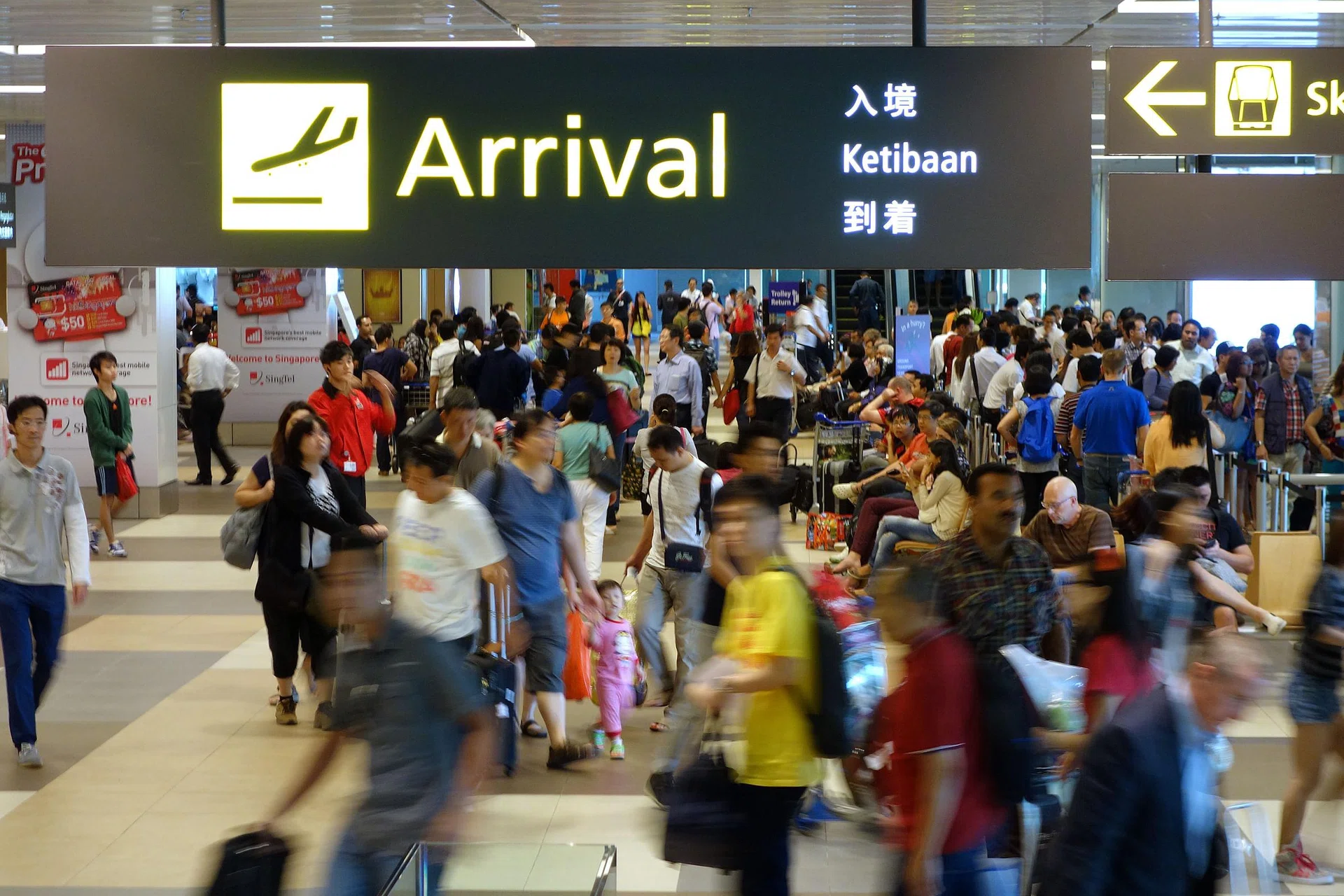
AI boom lifts outbound travel as Singapore, Apac economies splurge abroad
Comprehensive Summarization:
The article highlights a significant trend in the Asia-Pacific region where countries like Japan, South Korea, and China are experiencing a surge in inbound travel, driven by a strong demand for pop culture tourism. This increase is further fueled by the artificial intelligence (AI) boom, which is prompting substantial outbound spending in the region. According to Simon Baptist, principal economist for Visa Asia-Pacific, economies that are heavily invested in AI sectors, such as Taiwan, South Korea, Singapore, and Malaysia, are thriving economically. The article underscores that individuals benefiting from AI investment are allocating a significant portion of their earnings towards travel, positioning travel as the “stand-out category” in 2025.
Key Points:
Actionable Takeaways:
Investment in AI and Travel: Companies and investors in the AI sector, particularly in semiconductor manufacturing and data centers, should consider diversifying their portfolios to include travel-related businesses. The surge in travel spending linked to AI investment presents a lucrative opportunity for growth in the travel industry.
Focus on Pop Culture Tourism: Travel companies and destinations should emphasize pop culture experiences in their marketing strategies. Highlighting unique cultural and entertainment offerings can attract more tourists, especially from AI-invested economies, thereby boosting tourism revenues.
Leverage Economic Strength: Countries with strong AI sectors should leverage their economic growth to enhance their tourism offerings. By improving infrastructure, enhancing travel experiences, and promoting cultural and entertainment events, these nations can capitalize on the increased travel demand.
Contextual Insights:
The article reflects the current trend of travel being significantly influenced by technological advancements, particularly AI. As AI continues to drive economic growth in key sectors like semiconductor manufacturing and data centers, it is also becoming a major driver of consumer spending, particularly in travel. This trend is indicative of a broader shift in the travel industry towards more tech-driven, experiential tourism. Thought leaders suggest that travel startups and fintech companies should focus on integrating AI technologies to enhance customer experiences, streamline booking processes, and offer personalized travel solutions. This alignment with AI-driven economic growth positions these companies to capitalize on the rising demand for travel, particularly in regions experiencing significant AI investment. The article also underscores the importance of pop culture tourism, suggesting that destinations with rich cultural and entertainment offerings are likely to see a surge in tourist arrivals, further validating the need for travel companies to innovate and diversify their offerings.
Read the Complete Article.
Boutique Travel VC raises investment cap from $1.5M to $10M to lead rounds and support portfolio companies through growth Travel...
Read moreDetails



Comprehensive Summarization: The article reports on the brief but spectacular visit of the Queen Mary 2 cruise ship to Durban...
Read moreDetails
