






















Travel Capitalist Ventures Expands Check Size to $10 Million to Deepen Emerging Market Conviction
Boutique Travel VC raises investment cap from $1.5M to $10M to lead rounds and support portfolio companies through growth Travel...
Read moreDetails

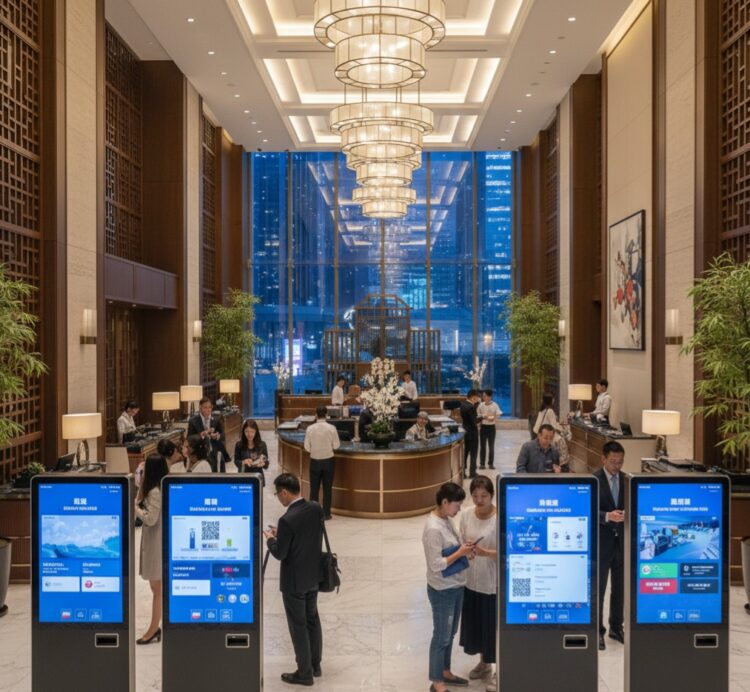
Asia’s Tourism Powerhouses From China To Singapore Drive A Hospitality Shift As Localised Hotels Acr...
Article Summary:
The article highlights a significant transformation in the hospitality sector across Asia’s tourism powerhouses, from China to Singapore. Hotels that adopt deep cultural localisation are outperforming traditional models, achieving a 59% higher RevPAR (Revenue Per Available Room). This shift is driven by tailored experiences that cater to the diverse expectations of regional travelers, encompassing language services, payment systems, cuisine, design, and guest services. The trend underscores a broader movement towards personalized and culturally resonant hospitality, reflecting a strategic pivot in the travel industry.
Key Points:
Actionable Takeaways:
Contextual Insights:
The article reflects a broader industry trend towards personalized and culturally resonant travel experiences, driven by changing consumer expectations and technological advancements. As travelers increasingly seek authentic and tailored experiences, hotels that invest in cultural localisation are positioned to capture a larger market share. This shift is supported by thought leaders who emphasize the importance of integrating technology to enhance operational efficiency and guest satisfaction. The rise of localized hospitality models suggests a future where travel experiences are increasingly customized, reflecting the unique cultural and regional preferences of travelers. This forward-looking perspective underscores the potential for innovation in travel tech and fintech, as businesses seek to capitalize on the growing demand for personalized services.
Read the Complete Article.
Boutique Travel VC raises investment cap from $1.5M to $10M to lead rounds and support portfolio companies through growth Travel...
Read moreDetails




