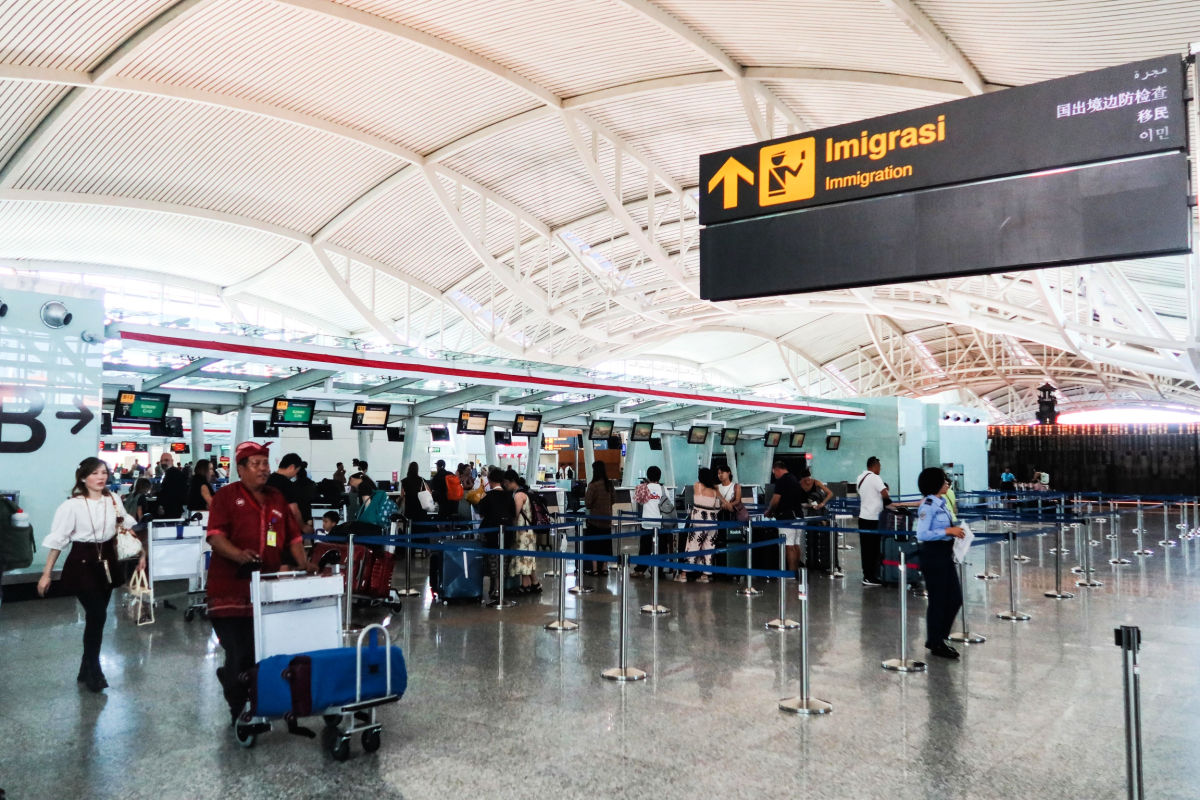
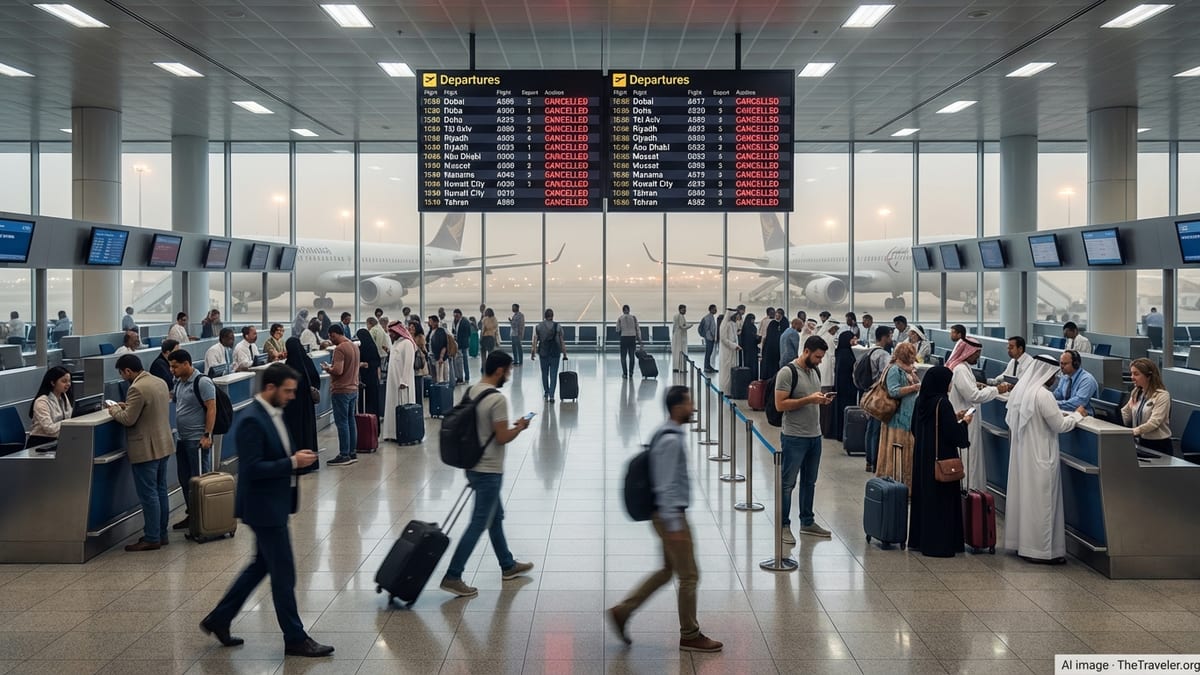
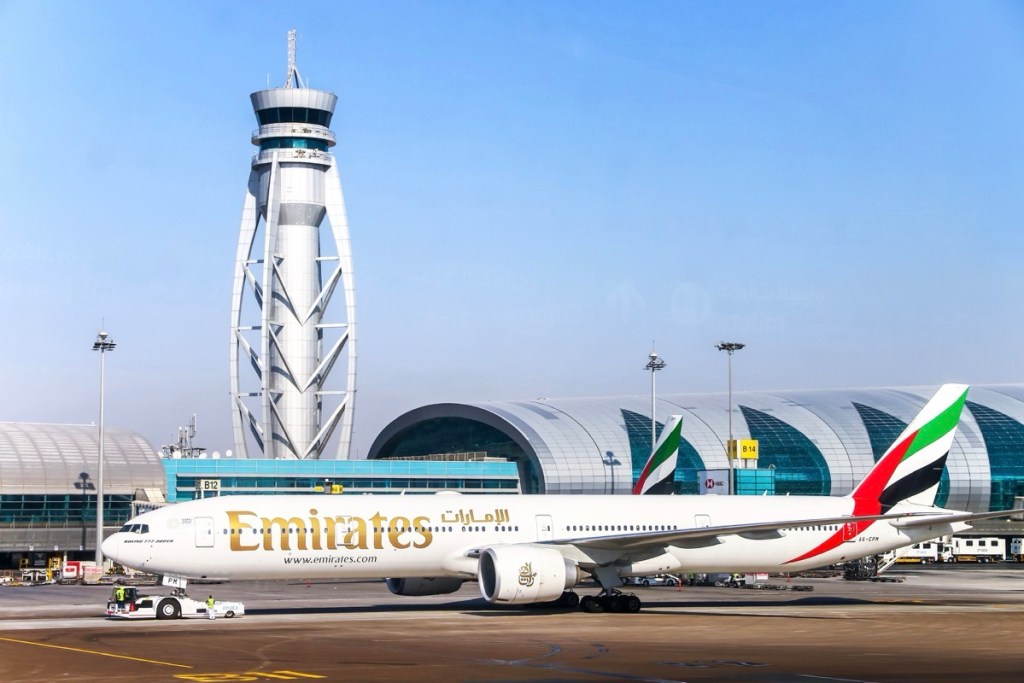
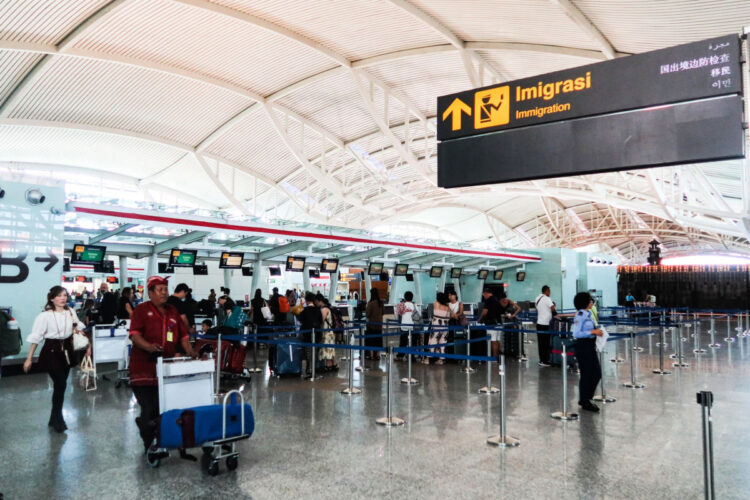
The article discusses the potential impact of heightened geopolitical tensions in the coming days and weeks on airspace closures in the Middle East. It highlights how leaders in Southeast Asia are considering alternative airports to mitigate the effects of such closures. Specifically, Bali’s I Gusti Ngurah Rai International Airport, Singapore’s Changi Airport, and Kuala Lumpur Airport are mentioned as possible alternatives to Abu Dhabi, Dubai, and Doha. Dr. Putu Ayu Sita Laksmi, an academic from Bali’s Warmadewa University, explains that the Middle East has historically been a crucial hub for flights between Europe and Asia, and the closure of airspace in the region could significantly disrupt these routes. The article also references recent developments and insights from thought leaders in the travel industry, providing a forward-looking perspective on the situation.
Key Points:
Heightened geopolitical tensions in the Middle East are expected to lead to airspace closures.
Southeast Asian airports, including Bali’s I Gusti Ngurah Rai International Airport, Singapore’s Changi Airport, and Kuala Lumpur Airport, are being considered as alternatives to disrupted routes.
Dr. Putu Ayu Sita Laksmi notes that the Middle East has been a crucial hub for flights between Europe and Asia, emphasizing the potential disruption caused by airspace closures.
The article references insights from thought leaders in the travel industry, providing a forward-looking perspective on the situation.
Actionable Takeaways:
Diversify Travel Routes: Airlines and travel agencies should consider diversifying their travel routes by increasing flights to alternative airports in Southeast Asia, such as Bali, Singapore, and Kuala Lumpur, to mitigate the impact of airspace closures in the Middle East. This strategy could help maintain connectivity between Europe and Asia, ensuring smoother travel for passengers and businesses alike.
Enhance Connectivity Solutions:Travel technology companies should focus on developing enhanced connectivity solutions that facilitate seamless travel experiences, even in the face of airspace disruptions. This could include real-time flight tracking, dynamic routing options, and improved communication tools for travelers and airlines, ensuring that disruptions are minimized and managed effectively.
Invest in Regional Partnerships: Airlines and airports in Southeast Asia should explore strategic partnerships and collaborations to strengthen their presence as alternative hubs. This could involve joint ventures, shared services, and coordinated marketing efforts to promote these airports as reliable alternatives during times of geopolitical tension. Such partnerships could enhance the resilience of the travel industry and provide travelers with more options during disruptions.
Contextual Insights:
The article reflects the current state of the travel industry, where geopolitical tensions can significantly impact global air travel. The focus on alternative airports in Southeast Asia highlights the region’s strategic importance as a transit hub between Europe and Asia. This context is crucial for understanding the potential disruptions and the need for proactive measures to ensure continuity in travel services. The insights provided by Dr. Putu Ayu Sita Laksmi underscore the historical significance of the Middle East as a key aviation hub and the potential ripple effects of airspace closures. Forward-looking perspectives from industry thought leaders emphasize the importance of adaptability and innovation in navigating such challenges. The article also touches on broader trends in travel technology, such as the need for enhanced connectivity solutions and strategic partnerships, which are essential for maintaining resilience and competitiveness in the face of geopolitical uncertainties.
Comprehensive Summarization: Korean Air and French space company Exotrail have signed a Memorandum of Understanding (MOU) to collaborate on developing...