

















Travel Capitalist Ventures Expands Check Size to $10 Million to Deepen Emerging Market Conviction
Boutique Travel VC raises investment cap from $1.5M to $10M to lead rounds and support portfolio companies through growth Travel...
Read moreDetails

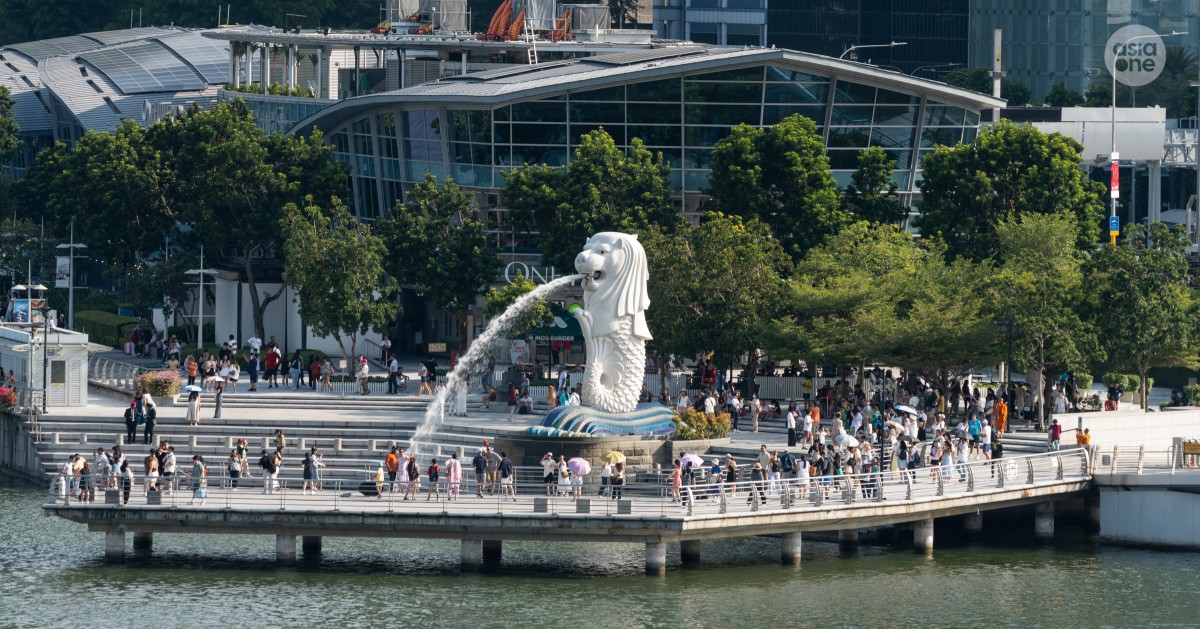
10 travel agencies suspended over failure to submit audited accounts, business profile returns, Sing...
Article Summary:
The Singapore Tourism Board (STB) has suspended the licenses of 10 travel agencies due to their failure to submit necessary documents within six months after the close of their financial year. According to the Travel Agents Act, licensed agencies must submit their auditor-certified financial statements to STB each year, within six months of the close of the licensee’s financial year. The agencies have failed to submit their audited statement of account and/or their annual business profile returns. The annual business profile return is an electronic form lodged with the Accounting and Corporate Regulatory Authority that contains particulars of the company such as the name of its directors, secretary, members, etc.
Key Points:
Actionable Takeaways:
Contextual Insights:
The suspension of travel agency licenses due to non-compliance with financial document submission requirements underscores the stringent regulatory environment in the travel industry. This action is reflective of broader trends where regulatory bodies are increasingly focusing on ensuring transparency and accountability among service providers. For travel startups and fintech innovations, this highlights the importance of building robust compliance frameworks from the outset. Agencies that fail to meet regulatory standards risk severe penalties, which can act as a deterrent against non-compliance. Furthermore, the emphasis on timely submission of annual business profile returns indicates a shift towards more proactive regulatory oversight, potentially influencing how travel startups manage their operations and reporting processes. This context is crucial for understanding the broader implications of regulatory actions in the travel sector and for guiding future industry practices.
Read the Complete Article.
Boutique Travel VC raises investment cap from $1.5M to $10M to lead rounds and support portfolio companies through growth Travel...
Read moreDetails




