




















Travel Capitalist Ventures Expands Check Size to $10 Million to Deepen Emerging Market Conviction
Boutique Travel VC raises investment cap from $1.5M to $10M to lead rounds and support portfolio companies through growth Travel...
Read moreDetails
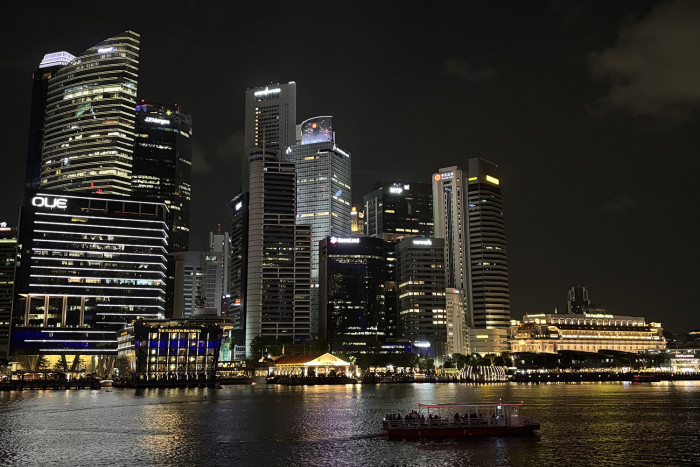
Singapore high-rises overlook Marina Bay on Jan 3, 2026. (Photo: Saritdet Marukatat)
Comprehensive Summarization:
Singapore has announced a new policy requiring airlines to enforce “no-boarding directives” for passengers deemed undesirable or non-compliant with entry requirements, starting from January 30, 2026. This initiative, spearheaded by the Singapore Immigration & Checkpoints Authority (ICA), aims to enhance border security by preventing potential threats from boarding flights to the country. The policy marks a shift from post-arrival denial of entry, where individuals are denied entry after they have already arrived at a port of entry. This proactive measure is seen as a significant step forward in bolstering Singapore’s border security and ensuring the safety of its citizens and visitors.
Key Points:
Actionable Takeaways:
Enhanced Border Security Measures: Airlines operating to Singapore should prepare for stricter compliance with passenger screening protocols. This includes implementing robust identity verification processes and ensuring that all passengers meet the entry requirements before boarding. This measure is crucial for maintaining the safety and security of the country’s borders and aligns with global trends towards enhanced border security in response to evolving security threats.
Impact on Travel Planning: Travelers should be aware of the new policy and plan their trips accordingly. This may involve additional documentation or verification processes, which could affect travel itineraries and timelines. Travel agencies and service providers should update their clients on these changes to ensure a smooth travel experience and mitigate any potential disruptions.
Opportunities for Travel Tech Innovations: The introduction of this policy presents an opportunity for travel technology companies to develop and enhance security screening solutions. Innovations in biometric verification, AI-driven identity checks, and real-time compliance monitoring could be pivotal in meeting the new requirements. Companies specializing in travel tech should explore partnerships with airlines and immigration authorities to leverage these advancements and provide cutting-edge solutions that meet the evolving needs of global travel.
Contextual Insights:
The implementation of this policy reflects a broader trend in the travel industry towards heightened security measures in response to global security challenges. As countries seek to protect their citizens and maintain the integrity of their borders, there is a growing emphasis on proactive security measures that prevent threats from entering the country rather than reacting to incidents post-arrival. This shift aligns with the increasing adoption of technology-driven solutions in the travel sector, such as AI and biometrics, which offer more efficient and effective ways to verify identities and assess compliance with entry requirements.
Moreover, the policy underscores the importance of collaboration between governments, airlines, and technology providers in shaping the future of travel security. As the travel industry continues to evolve, the integration of advanced security technologies will be crucial in addressing emerging threats and ensuring the safety of travelers worldwide. This forward-looking perspective highlights the need for continuous innovation and adaptation in travel security protocols to keep pace with changing global dynamics.
Read the Complete Article.
Boutique Travel VC raises investment cap from $1.5M to $10M to lead rounds and support portfolio companies through growth Travel...
Read moreDetails



Comprehensive Summarization: VistaJet and XO, parent company Vista Global, are reportedly considering an IPO, according to financial website 9fin. The...
Read moreDetails
