























Travel Capitalist Ventures Expands Check Size to $10 Million to Deepen Emerging Market Conviction
Boutique Travel VC raises investment cap from $1.5M to $10M to lead rounds and support portfolio companies through growth Travel...
Read moreDetails

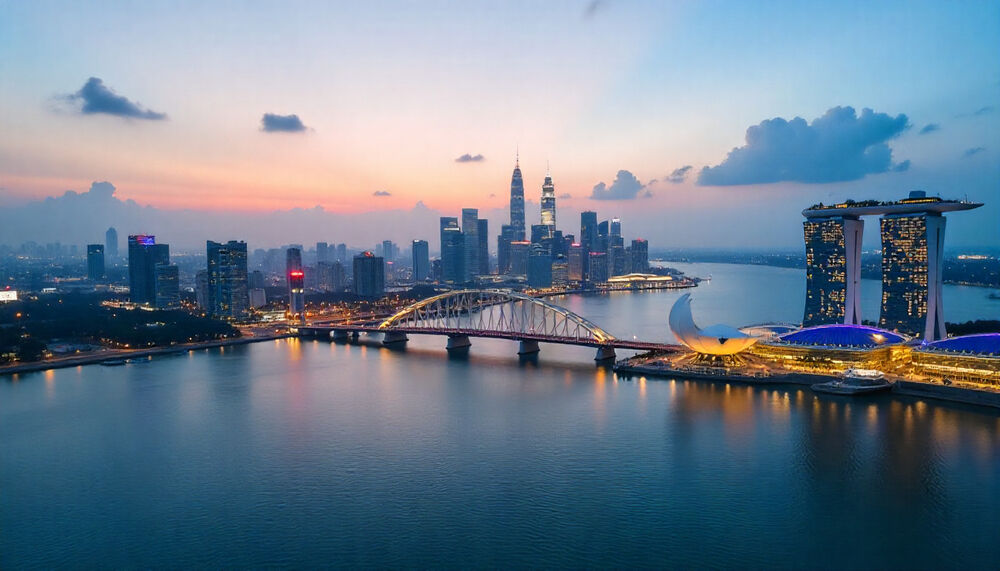
Singapore and Malaysia’s Strategic Causeway Navigating the High-Stakes Balance Between Cross-Border ...
Article Summary:
The article discusses the Singapore-Malaysia Causeway, a critical transportation link between the two nations, highlighting its role in facilitating daily travel for families, students, and shoppers. Beyond its physical significance, the Causeway symbolizes the deep economic ties and people-to-people connections that are central to regional integration in Southeast Asia. The piece underscores the broader context of Malaysia’s Visit Malaysia 2026 campaign, which aims to further boost tourism and economic activities in the region. It also touches on the growing cybersecurity threats that accompany such high-stakes cross-border infrastructure, emphasizing the need for robust security measures to support continued growth in cross-border tourism.
Key Points:
Actionable Takeaways:
Contextual Insights:
The Singapore-Malaysia Causeway serves as a microcosm of the broader challenges and opportunities in Southeast Asia’s travel industry. The article’s focus on the Causeway’s role in regional integration underscores the importance of seamless, secure transportation links in fostering economic growth and cultural exchange. As Malaysia’s Visit Malaysia 2026 campaign gains momentum, it highlights the region’s commitment to boosting tourism and economic activities, which in turn drives demand for advanced travel solutions. The rise of cybersecurity threats, while a concern, also presents an opportunity for innovation in travel tech and fintech, as businesses seek to protect travelers’ data and ensure secure transactions. Forward-looking insights suggest that the key to sustained success in the travel industry lies in balancing economic ambitions with robust cybersecurity measures and leveraging tourism campaigns to drive growth. By addressing these areas, stakeholders can position themselves to capitalize on emerging trends and maintain a competitive edge in the dynamic travel landscape.
Read the Complete Article.
Boutique Travel VC raises investment cap from $1.5M to $10M to lead rounds and support portfolio companies through growth Travel...
Read moreDetails




