























Travel Capitalist Ventures Expands Check Size to $10 Million to Deepen Emerging Market Conviction
Boutique Travel VC raises investment cap from $1.5M to $10M to lead rounds and support portfolio companies through growth Travel...
Read moreDetails
Singapore Tourism Transformed by Chinese Visa-Free Visitors as Social Media Influence, Safety and Ri...
Article Summary:
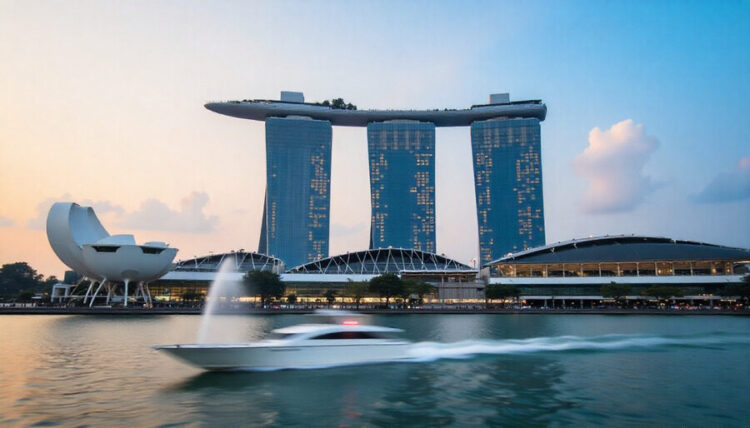
Singapore has emerged as a favored destination for Chinese tourists, largely due to a recent visa-free travel agreement and the rise of independent, short-term trips. Since the policy was introduced in early 2024, millions of visitors from mainland China have been flocking to the city-state, captivated by its modern architecture, iconic landmarks, and pristine streets. While Singapore’s allure remains robust, the increasing travel costs have sparked discussions about the city’s future appeal, particularly among younger travelers.
Key Points:
Actionable Takeaways:
Leverage Visa-Free Policy: Singaporean tourism boards and stakeholders should continue to promote the visa-free travel agreement to maximize tourist inflows, particularly from China. This policy has proven to be a significant draw for Chinese tourists and should be highlighted in marketing strategies.
Address Rising Costs: To maintain its appeal, Singapore must address the rising travel costs. This could involve strategic pricing strategies, offering value-added services, or enhancing the overall travel experience to ensure it remains competitive despite cost increases.
Contextual Insights:
The introduction of the visa-free travel agreement for Chinese tourists marks a strategic shift in Singapore’s tourism policy, aligning with broader global trends towards open borders and increased mobility. This policy has not only boosted immediate tourist numbers but also signals a shift in travel preferences, with more travelers opting for short, independent trips. This trend underscores the importance of flexibility and convenience in travel planning, particularly for younger demographics who prioritize experiences over lengthy stays.
Moreover, the rising travel costs present both a challenge and an opportunity for Singapore’s tourism industry. While higher prices may deter some travelers, they also highlight the city’s premium positioning and the value it offers in terms of quality and experience. To capitalize on this, Singapore can focus on enhancing its value proposition, leveraging its modern infrastructure, cultural attractions, and safety standards to justify the costs. This could involve investing in innovative travel technologies, improving customer service, and offering exclusive experiences that cater to the preferences of modern travelers.
In conclusion, Singapore’s transformation into a hotspot for Chinese tourists, driven by visa-free travel and modern attractions, presents both challenges and opportunities. By leveraging the visa-free policy, addressing rising costs, and focusing on short-term travel itineraries, Singapore can maintain and enhance its appeal as a premier travel destination. The insights from this article align with current industry trends, emphasizing the importance of flexibility, value, and innovation in travel marketing and operations.
Read the Complete Article.
Boutique Travel VC raises investment cap from $1.5M to $10M to lead rounds and support portfolio companies through growth Travel...
Read moreDetails




