






















Travel Capitalist Ventures Expands Check Size to $10 Million to Deepen Emerging Market Conviction
Boutique Travel VC raises investment cap from $1.5M to $10M to lead rounds and support portfolio companies through growth Travel...
Read moreDetails
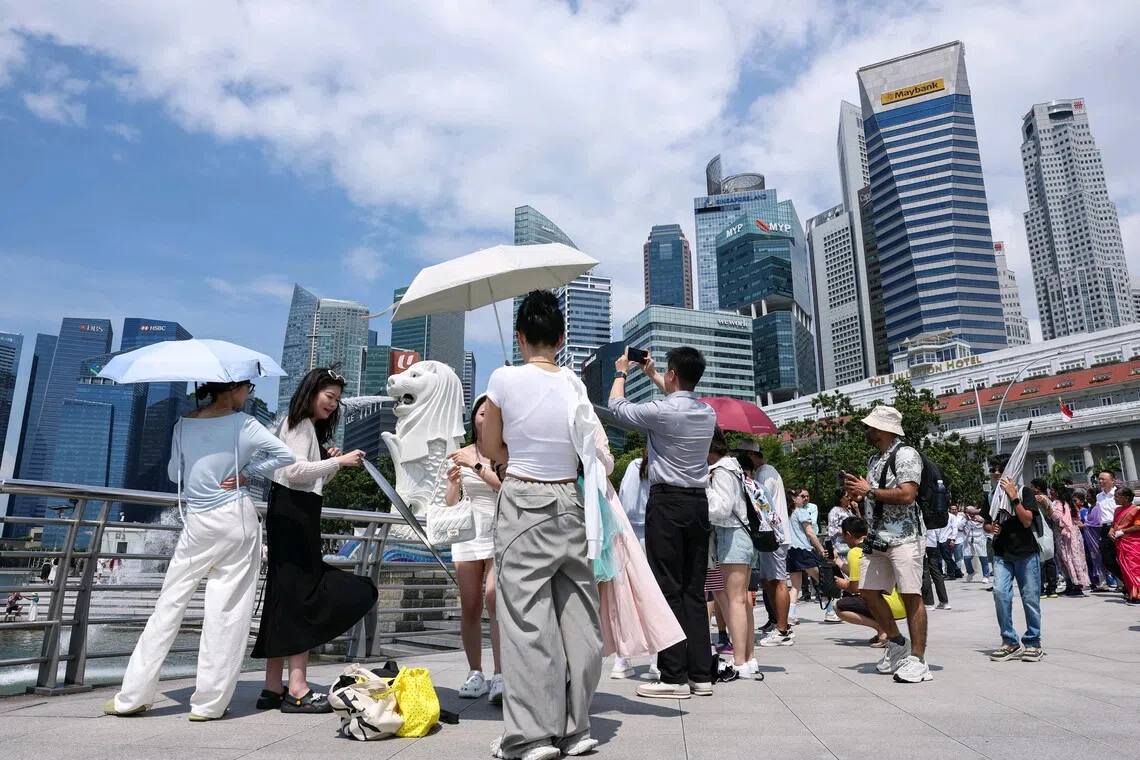
Hot, boring, expensive: What some Chinese tourists think of Singapore
Chinese Tourists’ Perceptions of Singapore: Hot, Boring, and Expensive
Recent observations from Chinese tourists reveal a less-than-enthusiastic view of Singapore, with common sentiments describing the city-state as "hot," "boring," and "expensive." These perceptions are shaping the experience of Chinese visitors, who are increasingly seeking destinations that offer more excitement and value.
Reasons for the Negative Perceptions
The primary reasons cited for these criticisms revolve around Singapore’s climate, perceived lack of engaging activities, and high cost of living and tourism. Many Chinese tourists find the tropical heat to be uncomfortable, especially when compared to destinations with more temperate weather.
Furthermore, the notion of Singapore being "boring" stems from a perceived lack of vibrant nightlife, unique cultural experiences, or novel attractions that cater to modern tourist expectations. While Singapore offers a clean and safe environment, some visitors feel it lacks the spontaneous energy and diverse entertainment options found elsewhere.
The "expensive" label is a significant deterrent. The cost of accommodation, dining, and activities in Singapore is seen as disproportionately high, especially when considering the perceived value for money. This economic factor plays a crucial role in destination choice for many Chinese travelers.
Implications for Singapore’s Tourism Industry
These sentiments have direct implications for Singapore’s tourism sector, which relies heavily on international visitors. If the experiences of Chinese tourists are consistently met with these negative perceptions, it could lead to a decline in visitor numbers and revenue from this crucial market.
To counter these trends, Singapore’s tourism industry may need to re-evaluate its offerings and marketing strategies. This could involve highlighting lesser-known attractions, developing more dynamic and affordable tour packages, or even exploring ways to mitigate the impact of the climate on tourist comfort. Understanding and addressing the specific concerns of key demographics like Chinese tourists is vital for maintaining competitiveness in the global travel market.
Read the Complete Article.
Boutique Travel VC raises investment cap from $1.5M to $10M to lead rounds and support portfolio companies through growth Travel...
Read moreDetails




