


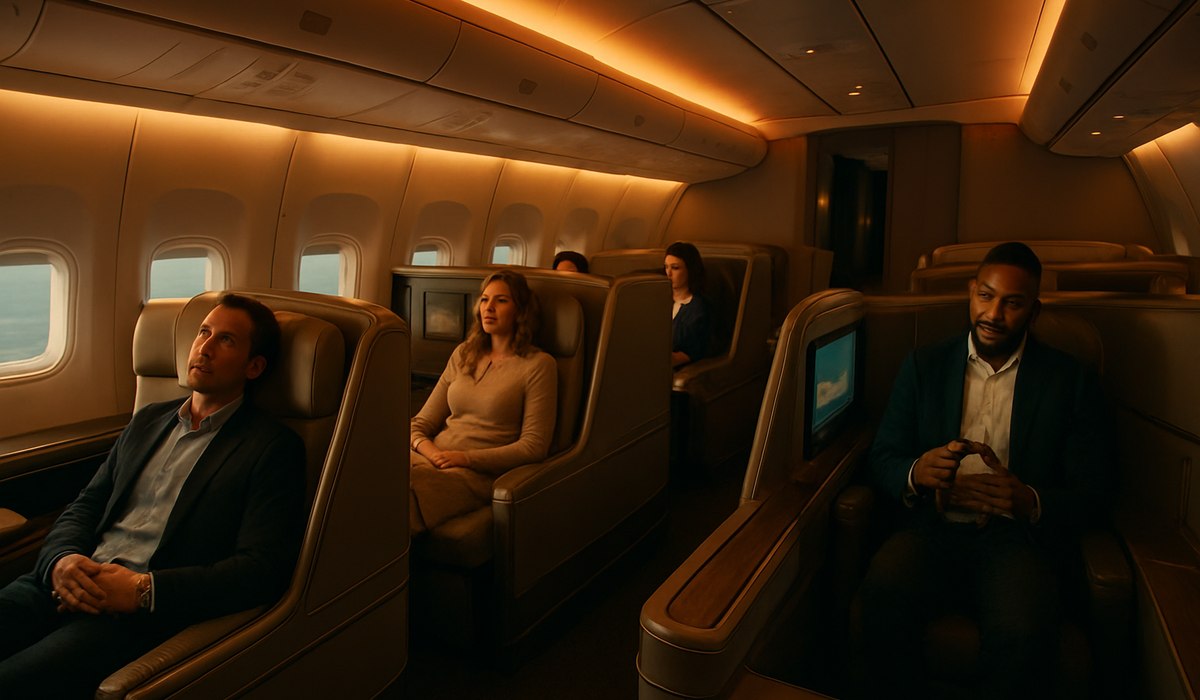

















Travel Capitalist Ventures Expands Check Size to $10 Million to Deepen Emerging Market Conviction
Boutique Travel VC raises investment cap from $1.5M to $10M to lead rounds and support portfolio companies through growth Travel...
Read moreDetails

Discover Singapore with Ease: New Electric Buses Set to Transform Tourism Transport
Article Summary:
Singapore’s Land Transport Authority (LTA) has announced six new contracts for a total of 660 electric buses, comprising 360 single-deck and 300 double-deck buses. This expansion is part of Singapore’s commitment to sustainable transportation and reducing its carbon footprint, aligning with the city-state’s vision for eco-friendly public transport. The electric double-deck buses represent a significant milestone in enhancing urban mobility and integrating clean energy into public transportation systems.
Key Points:
Actionable Takeaways:
Contextual Insights:
Singapore’s commitment to sustainable transportation through the introduction of electric buses aligns with global trends towards reducing carbon emissions in the travel and transport sectors. The city-state’s proactive approach reflects a broader industry shift towards clean energy solutions, driven by environmental concerns and the need for sustainable urban development. This development underscores the importance of integrating electric vehicles into public transport systems to meet sustainability goals and enhance mobility. As other cities look to emulate Singapore’s success, the focus on electric bus fleets and clean energy infrastructure will likely become a key priority in the travel and transport sector.
Read the Complete Article.
Boutique Travel VC raises investment cap from $1.5M to $10M to lead rounds and support portfolio companies through growth Travel...
Read moreDetails




