





















Travel Capitalist Ventures Expands Check Size to $10 Million to Deepen Emerging Market Conviction
Boutique Travel VC raises investment cap from $1.5M to $10M to lead rounds and support portfolio companies through growth Travel...
Read moreDetails

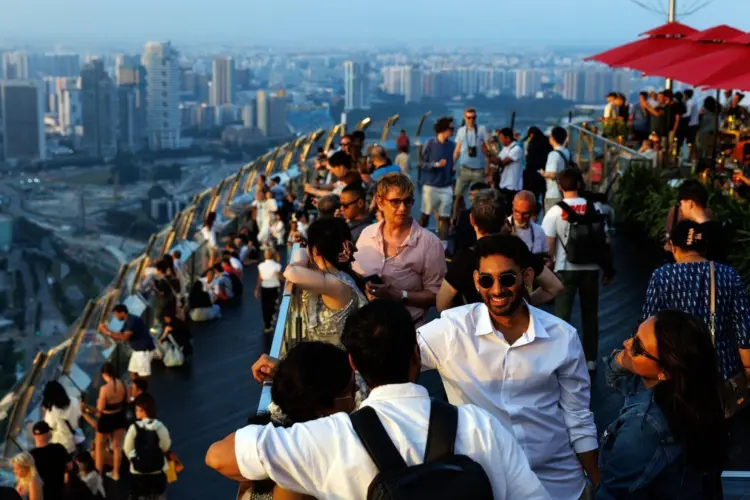
Hospitality sector may benefit, with 2026 tourist arrivals forecast to hit 17 million: OCBC Research
Comprehensive Summarization:
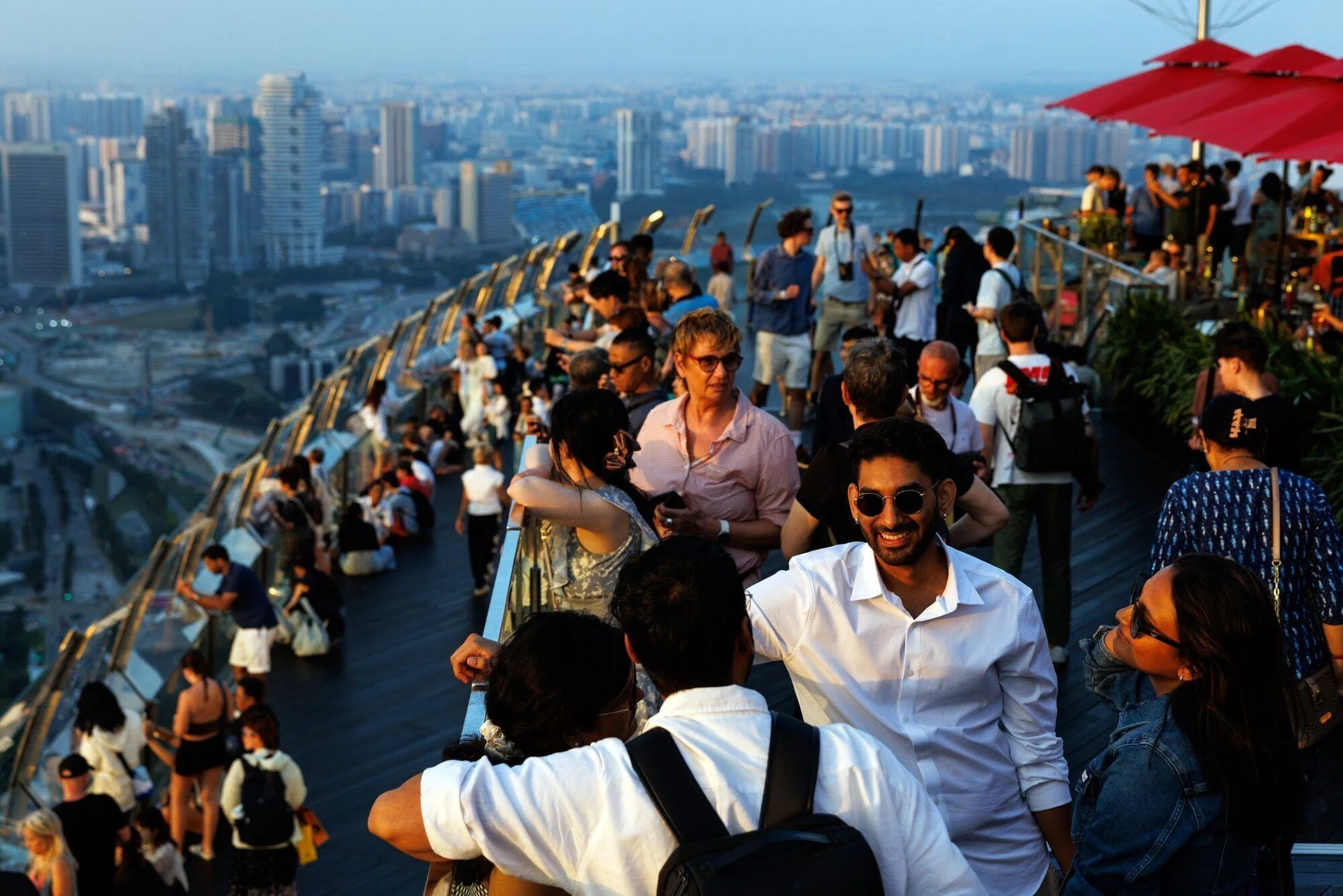
The article discusses the potential benefits for the hospitality sector in Singapore, as tourist arrivals are forecasted to meet the 2026 targets set by the Singapore Tourism Board (STB). Despite falling short of the projected 17 million to 18.5 million tourist arrivals in 2025, the arrivals increased by 2.3% from the previous year, reaching 16.9 million. This represents a recovery to 88.5% of pre-Covid levels. OCBC Group Research anticipates that Singapore’s tourism arrivals will meet the STB’s expected range of 17 million to 18 million visitors in 2026, barring any unforeseen events. The article highlights the resilience and recovery of the tourism sector, suggesting that stocks with exposure to hospitality may gain from improved hotel performance and tourist receipts.
Key Points:
Actionable Takeaways:
Investment Opportunities in Hospitality Sector: Given the forecasted recovery and meeting of STB’s 2026 targets for tourist arrivals, investors with exposure to the hospitality sector may see potential gains. This is due to the expected increase in hotel performance and tourist receipts, as the tourism sector recovers to pre-pandemic levels.
Focus on Recovery and Resilience: The article underscores the resilience of the Singapore tourism sector, recovering to 88.5% of pre-Covid levels. This recovery trend may signal a robust rebound in the hospitality sector, presenting opportunities for stakeholders in related industries such as travel tech, fintech, and tourism-related startups.
Contextual Insights:
The article reflects the ongoing recovery of the global tourism sector post-pandemic, with Singapore serving as a case study for successful recovery metrics. The focus on meeting STB’s targets highlights the importance of setting clear, achievable goals for the tourism industry. Furthermore, the mention of potential “black swan events” serves as a reminder of the unpredictable nature of global travel, emphasizing the need for flexibility and contingency planning in the hospitality sector. From a forward-looking perspective, the article aligns with current industry trends emphasizing recovery, resilience, and the potential for investment in hospitality-related sectors. It also points to the broader implications for travel startups and fintech innovations, as the recovery of tourism could drive demand for innovative solutions in travel booking, payment processing, and customer engagement.
Read the Complete Article.
Boutique Travel VC raises investment cap from $1.5M to $10M to lead rounds and support portfolio companies through growth Travel...
Read moreDetails




