




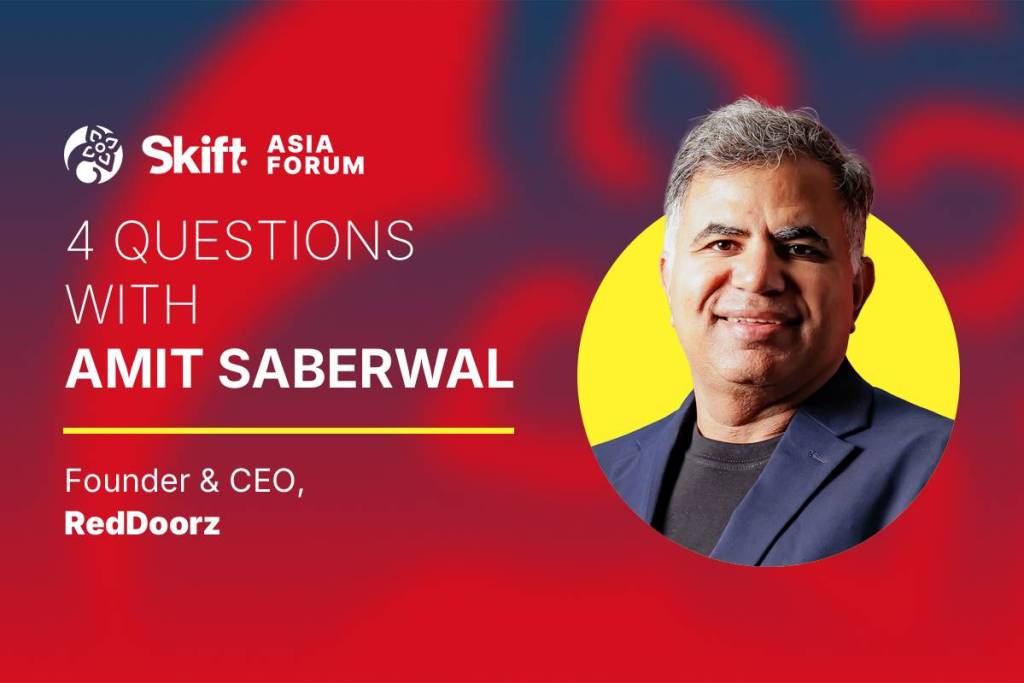














Travel Capitalist Ventures Expands Check Size to $10 Million to Deepen Emerging Market Conviction
Boutique Travel VC raises investment cap from $1.5M to $10M to lead rounds and support portfolio companies through growth Travel...
Read moreDetails
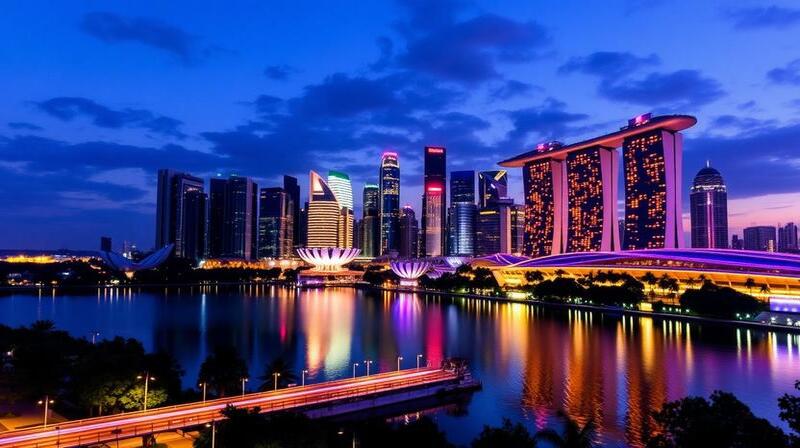
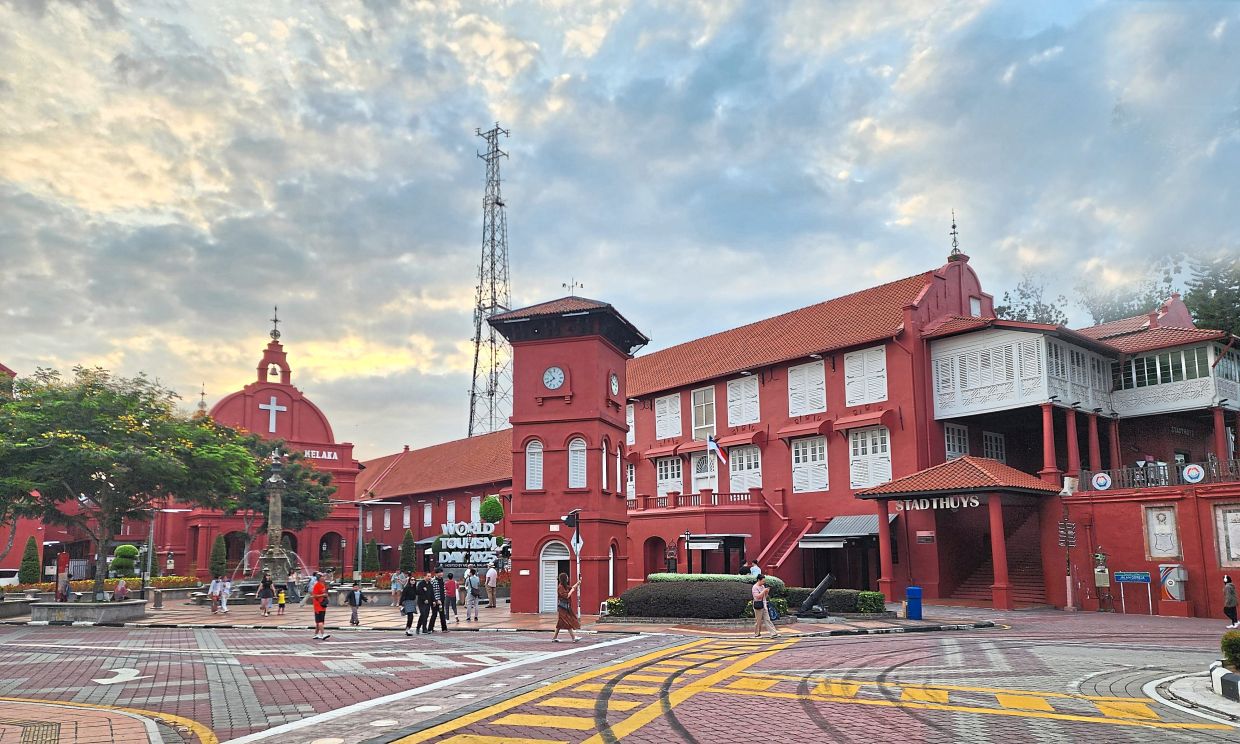
Indonesia Surpasses Malaysia and Australia: How Tourists Are Dominating Singapore’s Tourism Scene!
Comprehensive Summarization:
The article highlights Indonesia’s emergence as the second-largest source of international tourists to Singapore in February 2026, with 2.4 million visitors, just behind China’s 3.1 million. Malaysia and Australia follow closely with 1.3 million visitors each, while India ranks fourth with 1.2 million. These figures, reported by the Singapore Tourism Board (STB), underscore the strong regional tourism ties, particularly between Singapore and its Southeast Asian neighbors. The statistics reflect ongoing travel trends and the continued importance of regional connectivity in the global tourism landscape.
Key Points:
Actionable Takeaways:
Regional Tourism Collaboration: The data underscores the importance of regional tourism collaborations. Singapore’s strong ties with Indonesia, Malaysia, Australia, and India present opportunities for joint marketing campaigns, shared tourism infrastructure, and enhanced regional travel experiences. This could lead to increased tourist flow and economic benefits for all involved countries.
Diversification of Tourism Sources: The article highlights the diversification of Singapore’s tourism sources beyond traditional markets like China. This diversification reduces dependency on a few key markets and opens avenues for targeted marketing strategies towards other regions. Travel agencies and tourism boards can leverage this trend to develop tailored packages and promotions for these emerging markets.
Focus on Southeast Asia: The consistent presence of Southeast Asian countries in the top five sources suggests a growing interest in Southeast Asia as a travel destination. Stakeholders in the travel industry should consider enhancing marketing efforts and travel experiences in this region to capitalize on this trend. This could include improving regional connectivity, promoting cultural exchanges, and enhancing travel logistics within Southeast Asia.
Contextual Insights:
The article’s context is deeply rooted in the ongoing global travel recovery post-pandemic, with a notable emphasis on regional tourism. The resurgence of travel between neighboring countries reflects a broader trend of regional connectivity and cooperation in the tourism sector. This aligns with recent insights from industry thought leaders who emphasize the importance of regional partnerships in revitalizing tourism. The data also indicates a shift in tourist preferences towards destinations that offer diverse cultural experiences and ease of travel within the region. As such, the travel industry should focus on enhancing regional travel experiences, leveraging digital platforms for seamless travel planning, and promoting cultural and historical attractions that appeal to a broad audience. These insights are crucial for travel startups and fintech companies aiming to innovate in areas such as travel financing, digital payment solutions, and personalized travel experiences.
Read the Complete Article.
Boutique Travel VC raises investment cap from $1.5M to $10M to lead rounds and support portfolio companies through growth Travel...
Read moreDetails



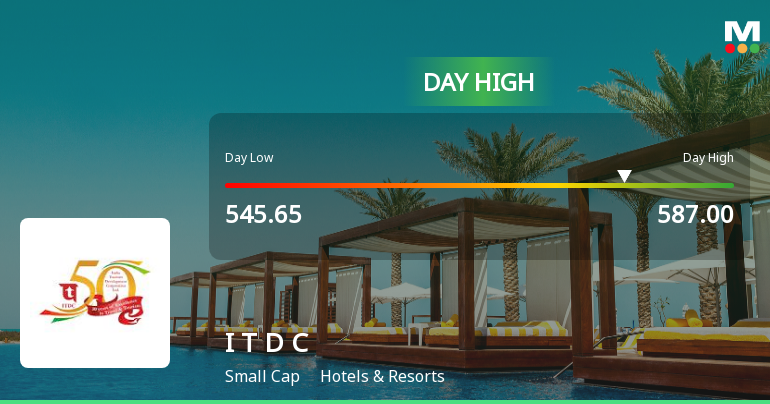
Comprehensive Summarization: The article discusses the significant intraday performance of India Tourism Development Corporation Ltd (ITDC), which opened with a...
Read moreDetails
