




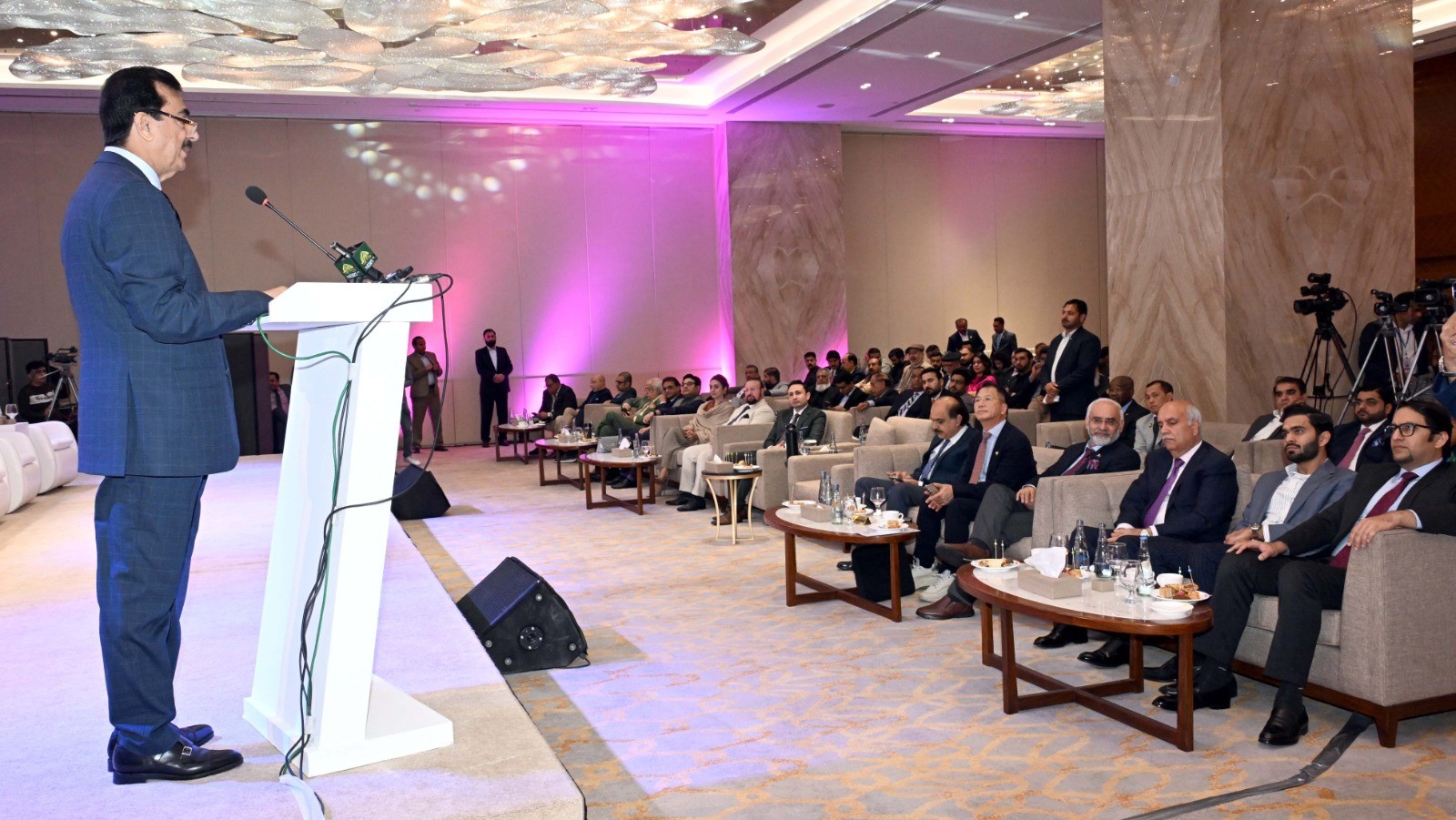

















Travel Capitalist Ventures Expands Check Size to $10 Million to Deepen Emerging Market Conviction
Boutique Travel VC raises investment cap from $1.5M to $10M to lead rounds and support portfolio companies through growth Travel...
Read moreDetails

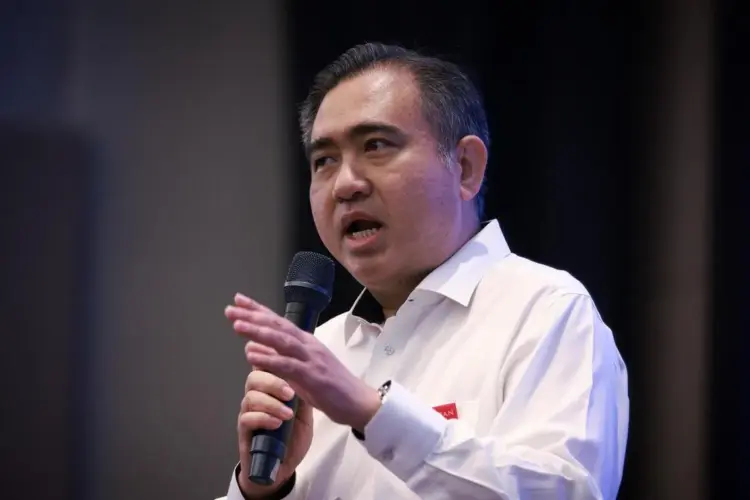
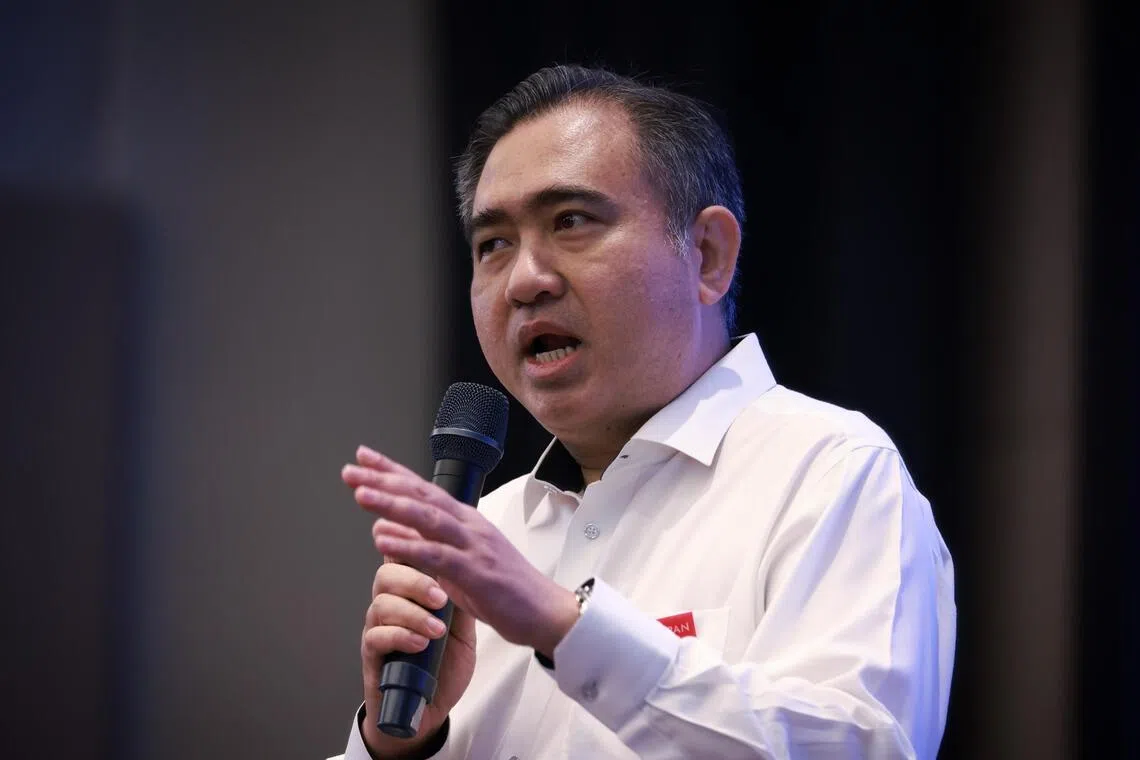
S’pore tour buses cannot operate as express services in Malaysia: Transport Minister Anthony Loke
Article Summary:
The Malaysian Transport Minister, Anthony Loke, announced that tour buses from Singapore are permitted to enter Malaysia but cannot operate as express buses. This arrangement is reciprocal, allowing Malaysian tour buses to operate in Singapore and Singaporean tour buses to carry tourists in Malaysia. Loke emphasized that while tour buses are beneficial for Malaysia, operating as express buses for scheduled routes is not allowed, and action will be taken if violated. Singapore requested this arrangement, but Singapore lacks a legal category for express buses.
Key Points:
Actionable Takeaways:
Contextual Insights:
The article reflects the ongoing efforts to balance tourism promotion with regulatory control in the travel industry. The reciprocal arrangement between Malaysia and Singapore exemplifies how diplomatic cooperation can facilitate cross-border travel while ensuring safety and compliance. This context is crucial for understanding the broader implications for the travel sector, particularly in regions with similar agreements. Furthermore, the restriction on express bus operations highlights the increasing importance of regulatory frameworks in the travel industry, especially as technology and innovation continue to reshape travel experiences. For travel startups and fintech companies, this context suggests a need to innovate within regulatory boundaries, potentially leading to new business models that enhance travel experiences without compromising safety and compliance.
Read the Complete Article.
Boutique Travel VC raises investment cap from $1.5M to $10M to lead rounds and support portfolio companies through growth Travel...
Read moreDetails




