


















Travel Capitalist Ventures Expands Check Size to $10 Million to Deepen Emerging Market Conviction
Boutique Travel VC raises investment cap from $1.5M to $10M to lead rounds and support portfolio companies through growth Travel...
Read moreDetails

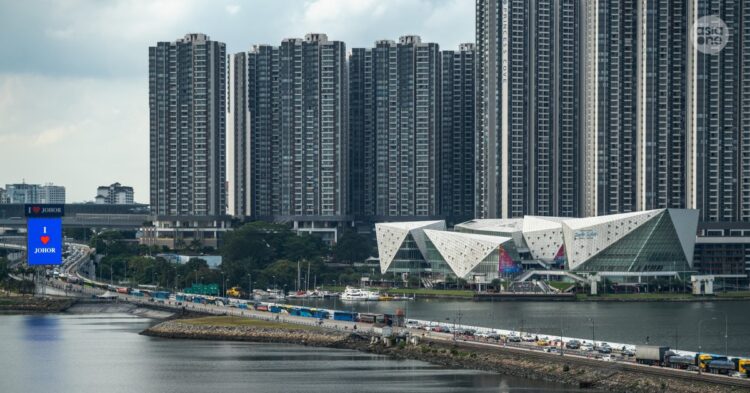
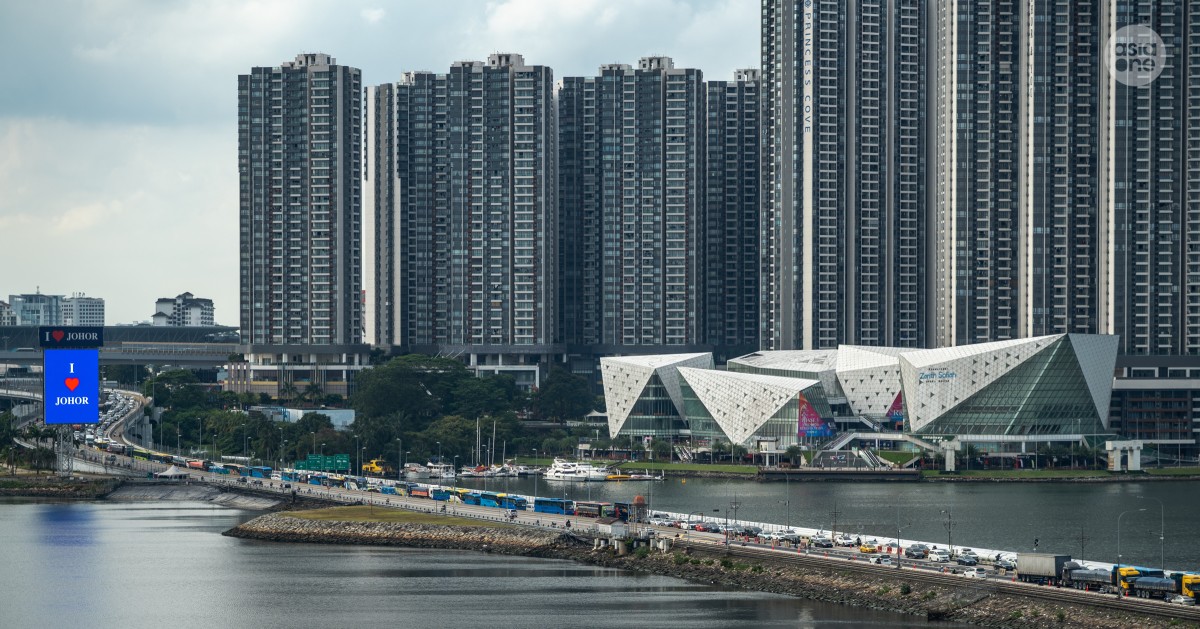
Singapore tour buses not allowed to operate express services in Malaysia: Anthony Loke, Malaysia New...
Article Summary:
Malaysia has announced that it will not permit Singapore tour buses to operate express bus services within its borders, according to Transport Minister Anthony Loke. This decision comes in response to Singapore’s request for its express buses to run in Malaysia, in exchange for Malaysian buses operating in Singapore. Loke emphasized that Singapore’s system only recognizes tour buses and scheduled buses, lacking a legal category for express buses. The minister reiterated that Malaysia’s stance remains firm, and “action will be taken” to enforce this decision.
Key Points:
Actionable Takeaways:
Contextual Insights:
The decision by Malaysia to restrict express bus services from Singapore reflects a broader trend in the travel industry towards stricter border controls and more stringent regulatory frameworks. This move is likely influenced by various factors, including competition for tourist dollars, concerns over traffic congestion, and the desire to protect local tourism infrastructure. In recent years, the travel industry has witnessed significant technological advancements, such as the rise of ride-sharing apps and the integration of AI in travel planning, which have reshaped consumer expectations and operational models for travel companies.
Looking ahead, the travel industry is poised for further transformation, driven by emerging trends such as sustainable travel, personalized travel experiences, and the increasing adoption of digital platforms for booking and managing travel itineraries. Thought leaders in the industry emphasize the importance of embracing these trends to remain competitive and meet the evolving needs of modern travelers. For startups and established players alike, staying abreast of these developments and being agile in response to regulatory changes will be key to sustaining growth and innovation in the sector.
Read the Complete Article.
Boutique Travel VC raises investment cap from $1.5M to $10M to lead rounds and support portfolio companies through growth Travel...
Read moreDetails




