





















Travel Capitalist Ventures Expands Check Size to $10 Million to Deepen Emerging Market Conviction
Boutique Travel VC raises investment cap from $1.5M to $10M to lead rounds and support portfolio companies through growth Travel...
Read moreDetails
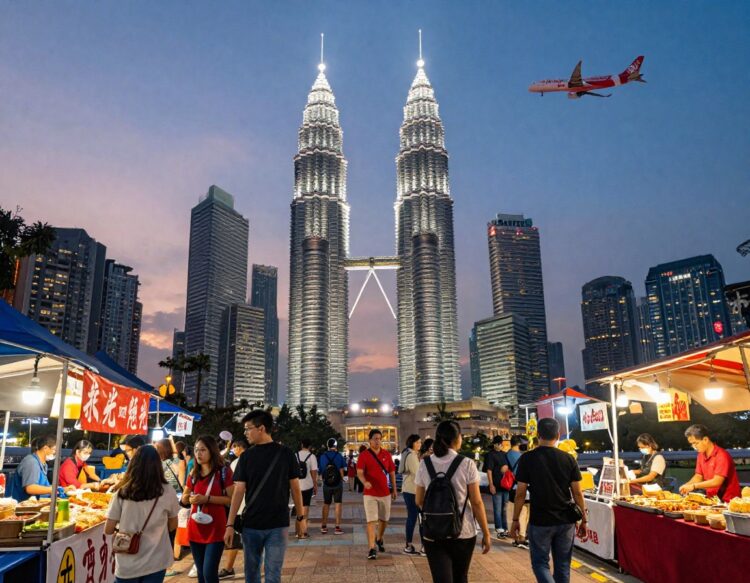
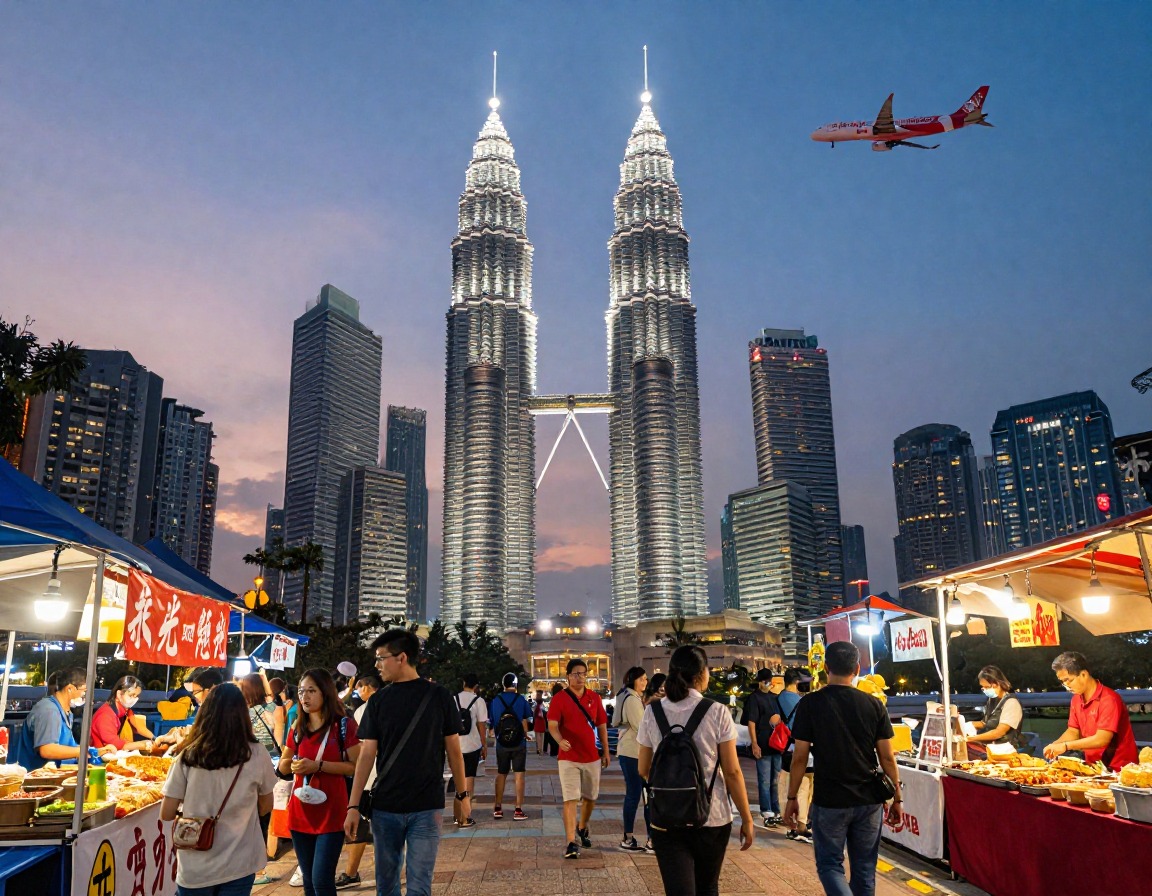
Malaysia Joins Singapore, Thailand, and Indonesia as Southeast Asia’s Tourism Powerhouse: 42.2 Milli...
Comprehensive Summarization:
Malaysia has emerged as the most visited country in Southeast Asia, surpassing Singapore, Thailand, and Indonesia, with a record-breaking 42.2 million visitors in 2025. This achievement underscores Malaysia’s growing appeal in the tourism industry and positions it as a significant player alongside its regional competitors. The article highlights the role of major players like AirAsia and Marriott in capitalizing on this trend, contributing to Malaysia’s ascent as a tourism powerhouse. The context provided emphasizes the country’s appeal and the competitive dynamics within Southeast Asia’s tourism market.
Key Points:
Actionable Takeaways:
Investment in Tourism Infrastructure: Companies like AirAsia and Marriott should consider investing in Malaysia’s tourism infrastructure to capitalize on its growing popularity. This could include expanding flight routes, enhancing hotel offerings, and improving airport facilities to meet the increasing demand.
Leverage Regional Partnerships: Travel companies can form strategic partnerships with regional tourism bodies and governments to promote Malaysia as a top destination. Collaborations could involve joint marketing campaigns, co-branded travel packages, and shared loyalty programs to attract more visitors.
Focus on Sustainable Tourism: With the rise in eco-conscious travelers, Malaysia should emphasize sustainable tourism practices. This includes promoting eco-friendly accommodations, supporting local conservation efforts, and developing tourism packages that highlight Malaysia’s natural beauty and cultural heritage in an environmentally responsible manner.
Contextual Insights:
The article reflects the current trend of Southeast Asia’s tourism market becoming increasingly competitive, with Malaysia leading the pack. This positioning is likely influenced by a combination of factors, including improved infrastructure, strategic marketing efforts by major travel companies, and the region’s growing appeal among international tourists. The emphasis on AirAsia and Marriott suggests a shift towards leveraging technology and hospitality services to enhance the travel experience, aligning with broader industry trends towards digitalization and personalized travel services. As Malaysia continues to attract a record number of visitors, it sets a benchmark for other Southeast Asian countries to follow, potentially driving further growth and innovation in the region’s tourism sector.
Read the Complete Article.
Boutique Travel VC raises investment cap from $1.5M to $10M to lead rounds and support portfolio companies through growth Travel...
Read moreDetails



Amsterdam, Netherlands — August 14, 2026 In short: Dutch airline KLM launches new eco-friendly flight program for Gen Z travelers....
Read moreDetails
