























Travel Capitalist Ventures Expands Check Size to $10 Million to Deepen Emerging Market Conviction
Boutique Travel VC raises investment cap from $1.5M to $10M to lead rounds and support portfolio companies through growth Travel...
Read moreDetails
Rising Tourism in Malaysia and Growing Scam Risks in Singapore: Navigating the Complex Cross-Border ...
Article Summary:
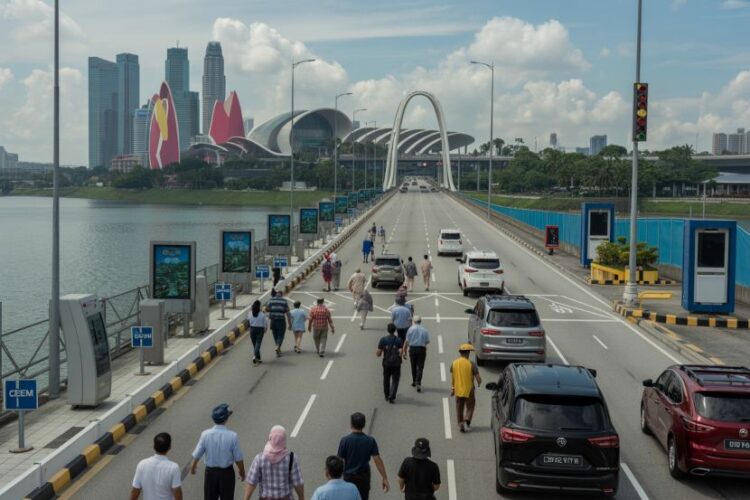
The article discusses the rising tourism in Malaysia and the growing scam risks in Singapore, particularly focusing on the cross-border tourism corridor between Johor and Singapore. As Malaysia aims to attract more Singaporean visitors by 2026, the article highlights the increasing importance of cross-border tourism between the two nations. However, it also points out that Singapore is grappling with a significant rise in fraudulent activities, leading to substantial financial losses. The article underscores the need for both nations to navigate this complex landscape effectively.
Key Points:
Actionable Takeaways:
Enhanced Security Measures in Singapore: Given the alarming rise in scams resulting in billions in losses, Singapore should prioritize enhancing its security measures to protect tourists and locals alike. Implementing advanced fraud detection technologies and increasing public awareness campaigns can mitigate the impact of fraudulent activities.
Collaborative Infrastructure Development: Malaysia and Singapore should collaborate on infrastructure projects that facilitate seamless cross-border travel. This includes upgrading transportation links, digital platforms for visa processing, and shared tourism marketing campaigns to attract more visitors and ensure a smooth travel experience.
Contextual Insights:
The article reflects the current trends in the travel industry, where cross-border tourism is becoming a focal point for both Malaysia and Singapore. The emphasis on infrastructure upgrades and digital solutions aligns with the broader industry shift towards enhancing travel experiences through technology. The rise in scams highlights the need for robust security measures, a trend that is increasingly relevant as travel becomes more globalized. Thought leaders in the travel industry are advocating for collaborative efforts between countries to leverage their strengths and address common challenges, such as security and infrastructure. This article underscores the importance of proactive measures in both security and technological innovation to sustain and grow cross-border tourism.
Read the Complete Article.
Boutique Travel VC raises investment cap from $1.5M to $10M to lead rounds and support portfolio companies through growth Travel...
Read moreDetails




