





















Travel Capitalist Ventures Expands Check Size to $10 Million to Deepen Emerging Market Conviction
Boutique Travel VC raises investment cap from $1.5M to $10M to lead rounds and support portfolio companies through growth Travel...
Read moreDetails
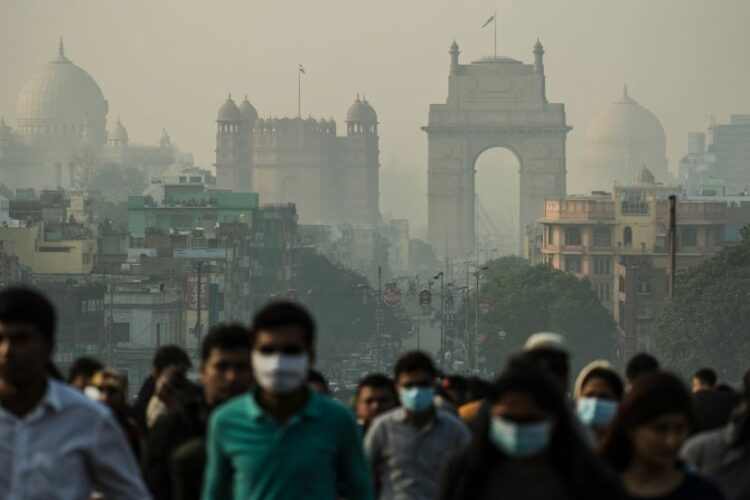
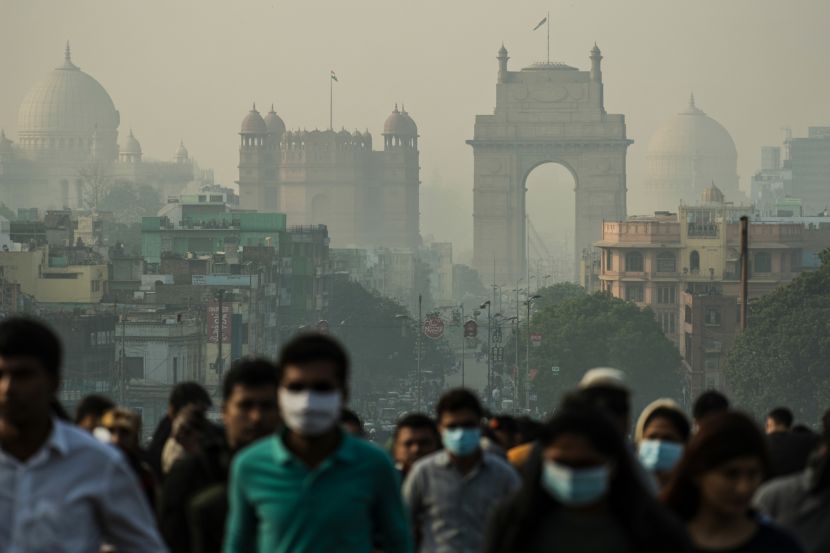
North India’s Air Crisis: Delhi, Jaipur, Agra, and Lucknow Face Hazardous Smog as Canada, UK, and Si...
Article Summary:
The article reports on a severe air quality crisis in northern India, particularly in cities like Delhi, Jaipur, Agra, and Lucknow. The air quality index (AQI) has reached dangerously high levels, prompting travel advisories from countries including Canada, the United Kingdom, and Singapore. The AQI in Delhi reached a near-record high of 493 on December 15, 2025, raising significant health concerns for both travelers and residents. This crisis underscores the urgent need for awareness and precautionary measures among those planning to visit the region.
Key Points:
Actionable Takeaways:
Contextual Insights:
The severe air quality crisis in northern India reflects broader global trends of increasing air pollution and its impact on travel and public health. This situation is particularly relevant in light of recent advancements in air quality monitoring technologies and the growing emphasis on sustainable and health-conscious travel practices. The advisories from countries like Canada, the UK, and Singapore indicate a growing international concern over air pollution, which could influence travel patterns and policies in the future. For travel startups and fintech companies, this crisis presents an opportunity to innovate in areas such as travel insurance, health monitoring services, and eco-friendly travel solutions, catering to the increasing demand for safer and more responsible travel options.
Read the Complete Article.
Boutique Travel VC raises investment cap from $1.5M to $10M to lead rounds and support portfolio companies through growth Travel...
Read moreDetails




