
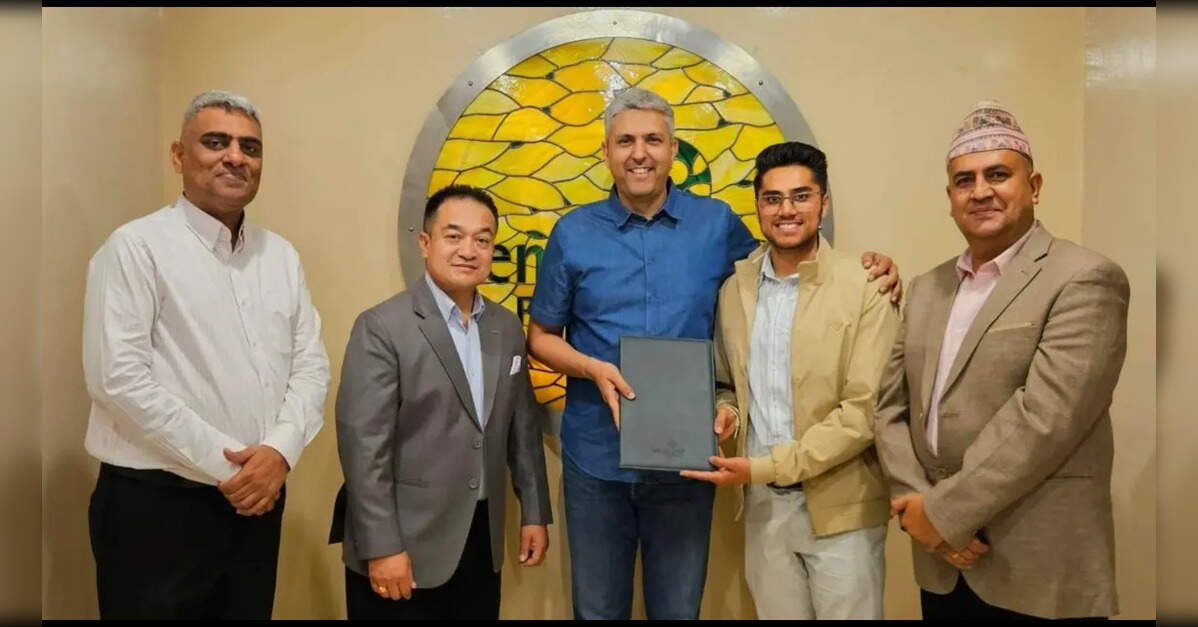


















Travel Capitalist Ventures Expands Check Size to $10 Million to Deepen Emerging Market Conviction
Boutique Travel VC raises investment cap from $1.5M to $10M to lead rounds and support portfolio companies through growth Travel...
Read moreDetails
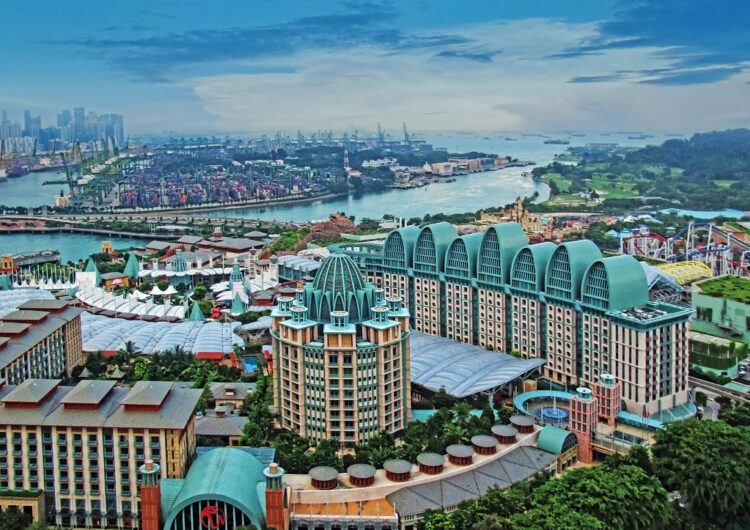
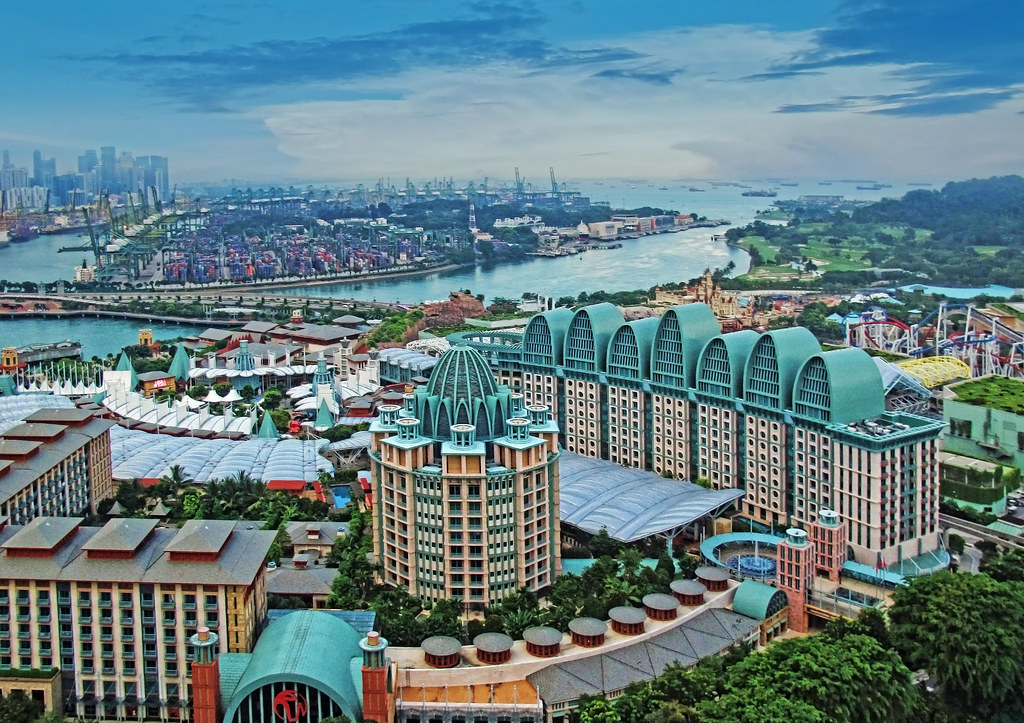
part of the rws 2.0 expansion, the singapore oceanarium opened in july 2025.
Comprehensive Summarization:
Genting Singapore, the operator of Resorts World Sentosa (RWS), expresses confidence in securing a renewed three-year gaming licence in 2027. The company is currently monitoring the potential impacts of the Iran war on global tourism. In February 2024, the Singapore Gambling Regulatory Authority (GRA) provisionally renewed RWS’s gaming licence for two years instead of three, citing underperformance from 2021 to 2023. This decision questioned RWS’s ability to maintain a compelling tourist destination. In response, RWS accelerated a US$5.3 billion waterfront expansion project, positioning itself as “well-positioned” to win the renewed licence.
Key Points:
Actionable Takeaways:
Expansion and Licensing Strategy: RWS’s accelerated expansion project indicates a proactive approach to securing a renewed gaming licence. This suggests that companies in the travel industry should consider strategic expansions and investments to meet regulatory requirements and maintain market competitiveness.
Impact of Global Events on Tourism: The GRA’s concerns about the Iran war’s impact on global tourism highlight the vulnerability of the travel industry to geopolitical events. Travel companies should develop contingency plans and diversify their market strategies to mitigate risks associated with global instability.
Contextual Insights:
The article reflects the ongoing challenges and strategic adaptations within the travel industry, particularly in gaming and tourism sectors. The provisionally renewed licence underscores the importance of regulatory compliance and performance metrics in maintaining operational licences. The emphasis on expansion, such as RWS’s US$5.3 billion waterfront project, illustrates the industry’s focus on enhancing tourist destinations to meet regulatory standards and attract visitors. These developments are indicative of broader trends in the travel sector, where innovation and strategic planning are crucial for navigating regulatory challenges and market fluctuations. As the industry continues to evolve, staying ahead of regulatory requirements and leveraging technological advancements will be key to sustaining growth and resilience.
Read the Complete Article.
Boutique Travel VC raises investment cap from $1.5M to $10M to lead rounds and support portfolio companies through growth Travel...
Read moreDetails



Comprehensive Summarization: Genting Singapore, the operator of Resorts World Sentosa (RWS), expresses confidence in securing a renewed three-year gaming licence...
Read moreDetails
