




















Travel Capitalist Ventures Expands Check Size to $10 Million to Deepen Emerging Market Conviction
Boutique Travel VC raises investment cap from $1.5M to $10M to lead rounds and support portfolio companies through growth Travel...
Read moreDetails
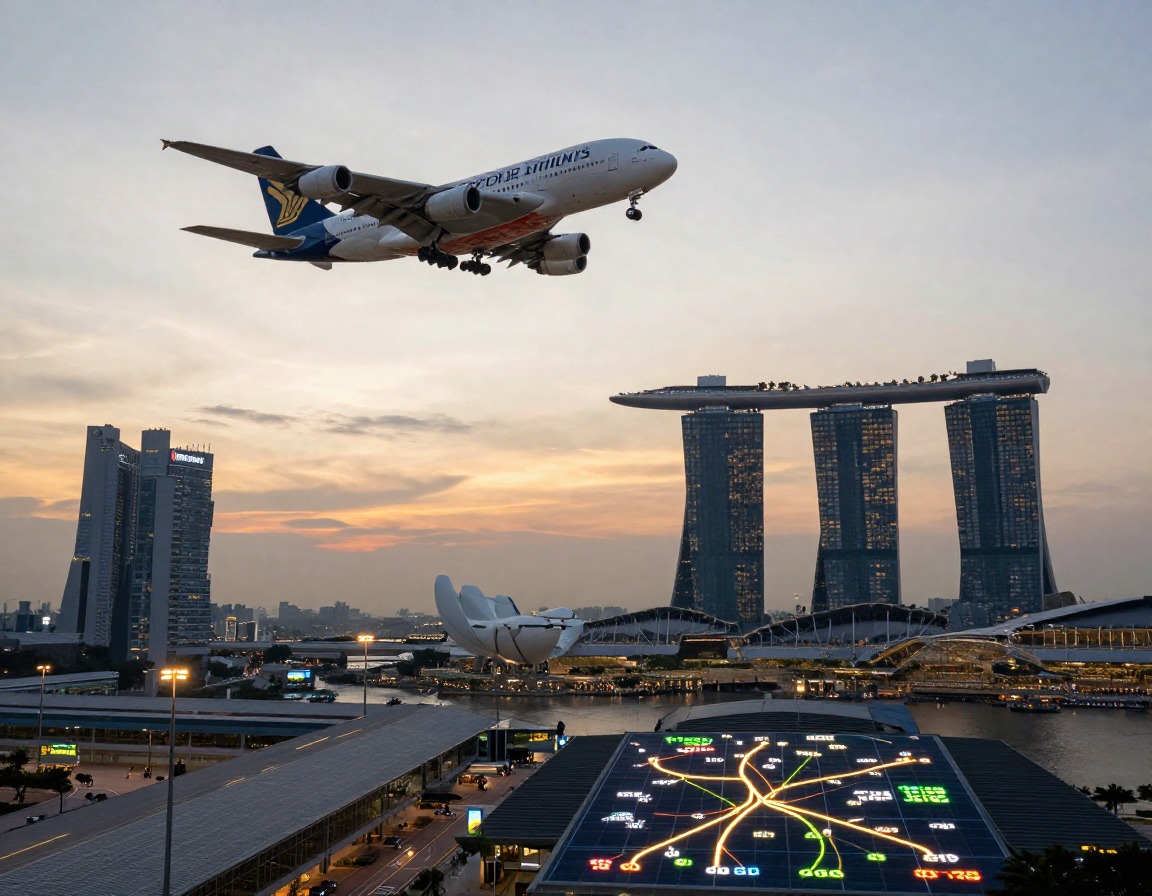
Singapore Airlines Shakes Up Summer 2026: Major Flight Schedule Overhaul with New Aircraft, Suspende...
Article Summary:
Singapore Airlines has announced a significant overhaul for its Summer 2026 flight schedule, marking a major shift in the global aviation landscape. The airline is introducing new aircraft, suspending certain routes, and adjusting frequencies across Asia, Europe, the Middle East, and beyond. These changes are expected to not only redefine air travel but also have ripple effects on the tourism and hospitality industries, potentially offering new opportunities and challenges for stakeholders in these sectors.
Key Points:
Actionable Takeaways:
Contextual Insights:
The announcement by Singapore Airlines reflects broader industry trends towards strategic fleet modernization and route optimization in response to changing passenger demands and market conditions. The airline’s focus on Asia, Europe, and the Middle East underscores the continued importance of these regions in global travel. Furthermore, the ripple effects on tourism and hospitality sectors highlight the interconnected nature of the travel industry, where changes in air travel can significantly impact ground-based services. As the industry continues to evolve, stakeholders must remain agile and responsive to emerging trends and technological advancements to capitalize on new opportunities and mitigate potential challenges.
Read the Complete Article.
Boutique Travel VC raises investment cap from $1.5M to $10M to lead rounds and support portfolio companies through growth Travel...
Read moreDetails



Comprehensive Summarization: Riyadh Air, Saudi Arabia's new national flag carrier, is actively expanding its international pilot recruitment efforts through successful...
Read moreDetails
