























Travel Capitalist Ventures Expands Check Size to $10 Million to Deepen Emerging Market Conviction
Boutique Travel VC raises investment cap from $1.5M to $10M to lead rounds and support portfolio companies through growth Travel...
Read moreDetails

Singapore Airlines Joins Emirates, Qatar Airways, and Cathay Pacific in Dominating 2026’s Busiest Fl...
Comprehensive Summarization:
Singapore Airlines, Emirates, and Qatar Airways are leading a revolution in global air travel by dominating the busiest flight routes anticipated for 2026. This strategic positioning not only enhances the competitive landscape within the airline industry but also significantly boosts global tourism. The increased frequency and reliability of flights offered by these airlines are expected to transform how millions of passengers travel, setting new standards for luxury and convenience in air travel. This development is poised to have a profound impact on hotel chains like Marriott and Hilton, as well as other sectors within the travel industry, by driving demand and necessitating innovative responses to meet evolving consumer expectations.
Key Points:
Actionable Takeaways:
Contextual Insights:
The article reflects the ongoing transformation of the global travel industry, driven by the strategic maneuvers of major airlines like Singapore Airlines, Emirates, and Qatar Airways. As these carriers dominate key flight routes, they are setting new benchmarks for frequency, reliability, and luxury, which are critical factors for modern travelers. This trend is likely to have far-reaching implications for the entire travel ecosystem, including hotel chains and other service providers. The emphasis on luxury and convenience aligns with broader industry trends towards personalized and seamless travel experiences. Moreover, the competitive dynamics highlighted in the article suggest that other airlines and travel service providers must innovate and adapt swiftly to maintain relevance and capture market share in this evolving landscape. The insights provided underscore the importance of strategic foresight and agility in navigating the dynamic and competitive nature of the global travel industry.
Read the Complete Article.
Boutique Travel VC raises investment cap from $1.5M to $10M to lead rounds and support portfolio companies through growth Travel...
Read moreDetails



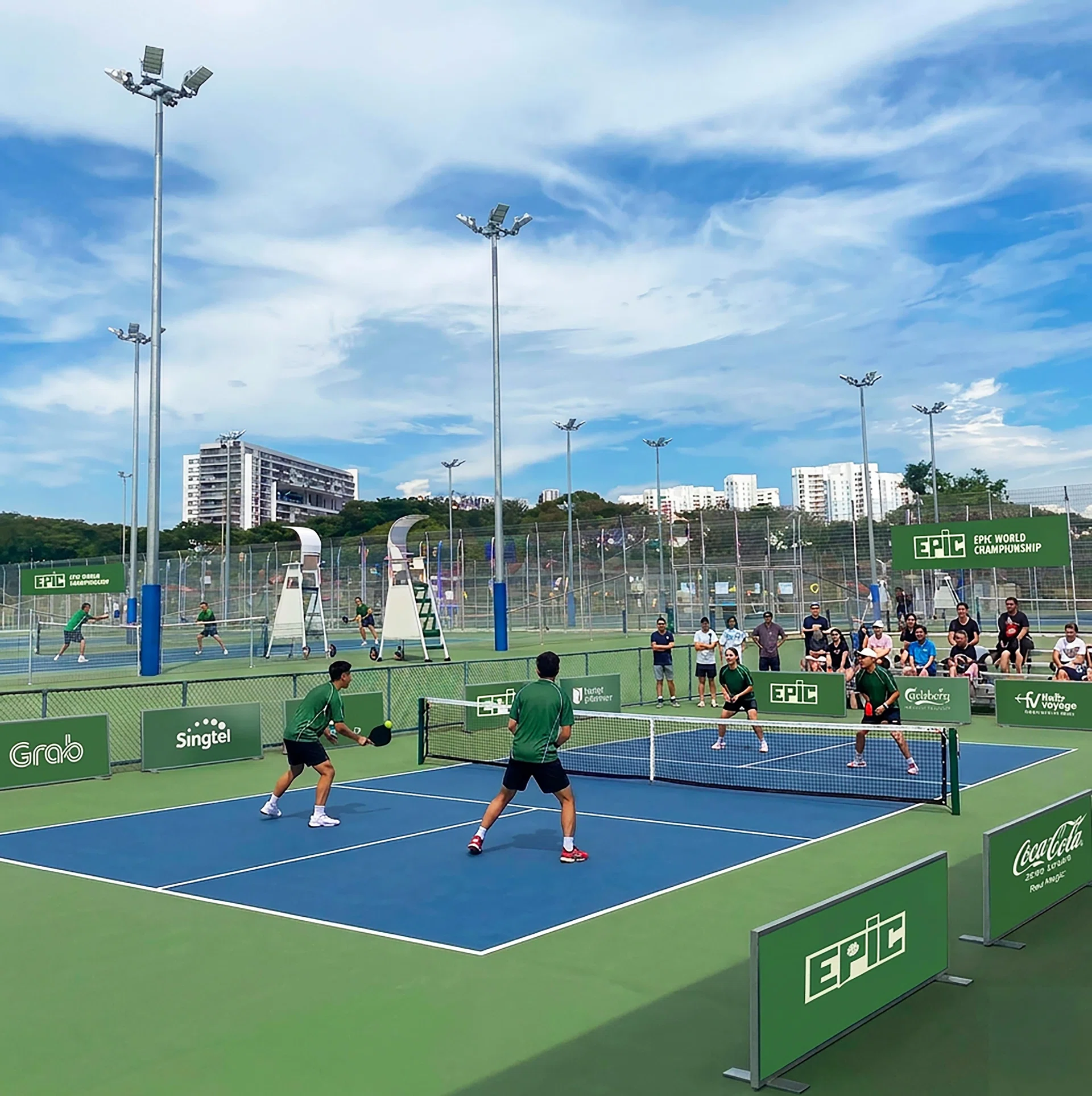
Comprehensive Summarization: The Singapore Tourism Board (STB) is set to host the inaugural Epic World Championship, a four-day amateur pickleball...
Read moreDetails
