























Travel Capitalist Ventures Expands Check Size to $10 Million to Deepen Emerging Market Conviction
Boutique Travel VC raises investment cap from $1.5M to $10M to lead rounds and support portfolio companies through growth Travel...
Read moreDetails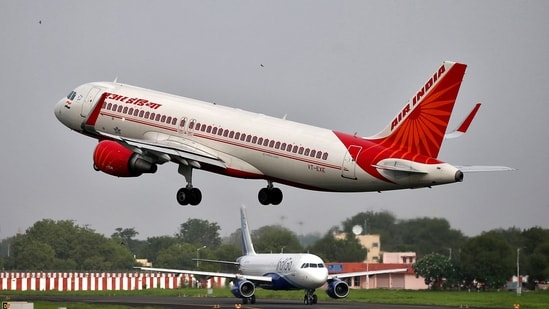


Singapore Airlines Profit Plunge: Air India Losses Hit Tourism
Article Summary:
Singapore Airlines (SIA) is grappling with a severe financial crisis, experiencing a 68% drop in net profit in the first half of the fiscal year. This decline is primarily attributed to its investment in Air India, a 25.1% stake that has become a core issue for the airline. The financial downturn poses significant challenges to Singapore’s tourism recovery, as SIA serves as a critical gateway for millions of visitors. The airline’s struggles could impact flight availability and hotel demand across the city-state, affecting millions of tourists from key Asian markets.
Key Points:
Actionable Takeaways:
Diversify Investment Portfolio: SIA should consider diversifying its investment portfolio to reduce reliance on a single stake, such as Air India. This move could mitigate financial risks and stabilize the airline’s financial health, ensuring continued support for tourism recovery in Singapore.
Enhance Financial Transparency: The airline should enhance its financial transparency by providing clearer and more frequent updates on its financial performance. This approach can help manage stakeholder expectations and build trust, which is crucial for maintaining investor confidence and securing necessary funding.
Explore Strategic Partnerships: SIA should explore strategic partnerships with other airlines or tourism-related businesses to offset financial losses and enhance market presence. Such collaborations could open new revenue streams and improve the airline’s competitive position in the travel industry.
Contextual Insights:
The financial crisis faced by Singapore Airlines underscores the vulnerabilities within the travel industry, particularly in the wake of global economic uncertainties and the ongoing impact of the COVID-19 pandemic. The reliance on a single stake, such as Air India, highlights the risks associated with concentrated investments. As the travel industry continues to recover, the importance of financial resilience and strategic diversification cannot be overstated. Forward-looking insights suggest that travel startups and fintech innovations, such as dynamic pricing models and digital payment solutions, could play a pivotal role in helping airlines like SIA navigate financial challenges and adapt to changing market conditions. These innovations can enhance operational efficiency, improve customer experiences, and ultimately contribute to the long-term sustainability of the travel sector.
Read the Complete Article.
Boutique Travel VC raises investment cap from $1.5M to $10M to lead rounds and support portfolio companies through growth Travel...
Read moreDetails




