






















Travel Capitalist Ventures Expands Check Size to $10 Million to Deepen Emerging Market Conviction
Boutique Travel VC raises investment cap from $1.5M to $10M to lead rounds and support portfolio companies through growth Travel...
Read moreDetails

Singapore to Canada Travel Chaos: Direct Flights Axed in 2026! How This Shakes Up Tourism and Your N...
Comprehensive Summarization:
In 2026, Singapore Airlines has discontinued its direct flights to Canada, disrupting the travel route between the two countries. This change presents both challenges and opportunities for tourism between Canada and Singapore. As travellers seek alternative routes and airlines, both the Canadian tourism industry and Singapore’s tourism board are actively exploring new options to maintain and enhance travel between the two nations. The shift signifies a significant change in the air travel landscape, prompting stakeholders to adapt and innovate in response to the altered connectivity.
Key Points:
Actionable Takeaways:
Explore Alternative Routes: Travelers should consider alternative flight paths or airlines to maintain connectivity between Canada and Singapore. This may involve booking multi-stop flights or using connecting airports to ensure travel continuity.
Engage with Tourism Boards: Both Canadian and Singaporean tourism boards are actively seeking new partnerships and routes. Stakeholders in the travel industry should monitor these developments for potential opportunities to collaborate or benefit from new travel itineraries.
Adapt Travel Plans: Given the shift in direct flight options, travelers should proactively adapt their travel plans. This includes being flexible with travel dates, destinations, and booking strategies to accommodate new routes and schedules.
Contextual Insights:
The discontinuation of direct flights between Canada and Singapore highlights the dynamic nature of the global travel industry. As airlines adjust their routes in response to market demands and operational efficiencies, travelers must remain adaptable and informed. This shift underscores the importance of leveraging technology and innovative travel solutions to maintain connectivity across borders. Furthermore, it reflects broader trends in the travel sector, such as the increasing demand for flexible travel options and the growing emphasis on seamless, tech-driven travel experiences. Stakeholders in the travel industry should capitalize on these changes by investing in advanced travel planning tools and partnerships that enhance customer experience and ensure continuity in travel services.
Read the Complete Article.
Boutique Travel VC raises investment cap from $1.5M to $10M to lead rounds and support portfolio companies through growth Travel...
Read moreDetails



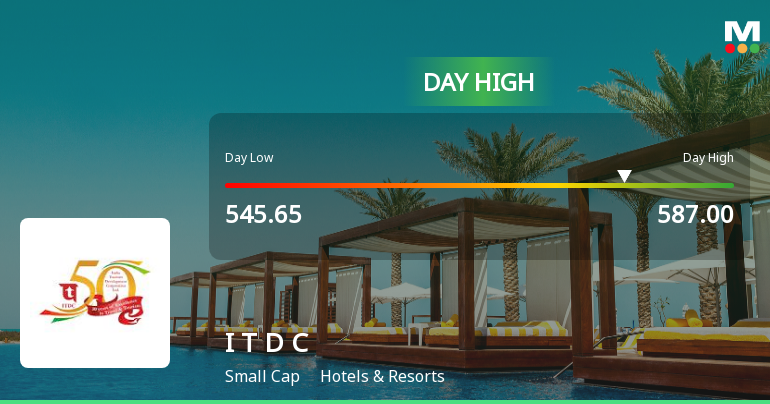
Comprehensive Summarization: The article discusses the significant intraday performance of India Tourism Development Corporation Ltd (ITDC), which opened with a...
Read moreDetails
