







No products in the cart.
- Latest
- Trending

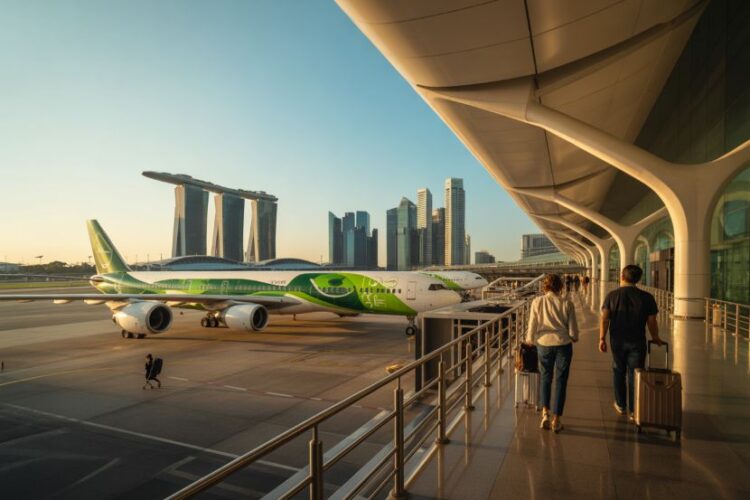
Singapore Pushes Back Eco-Aviation Charges Amid Middle East Instability, Affecting Travel Economics ...
Comprehensive Summarization:
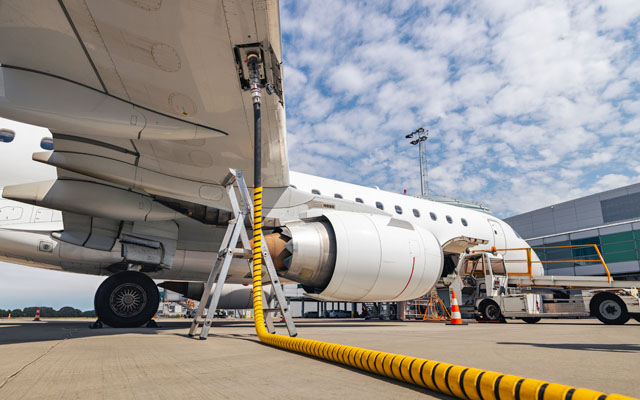
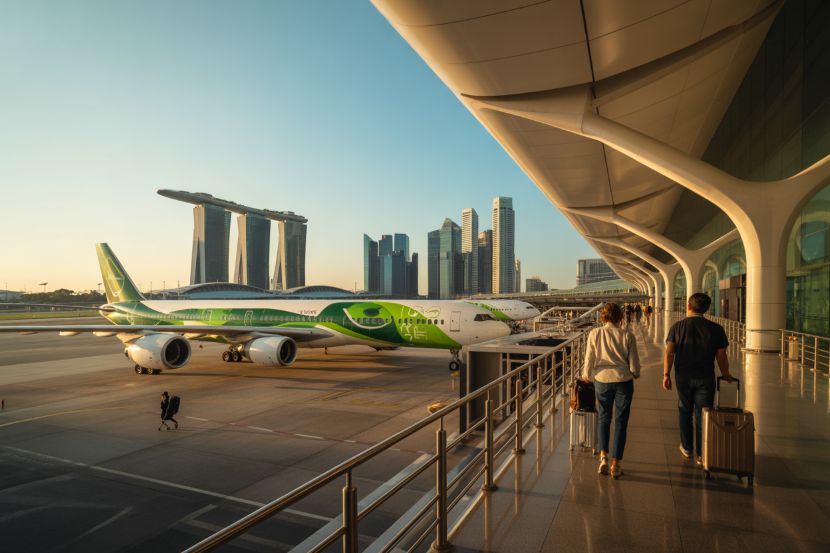
Singapore has announced a delay in the rollout of its Sustainable Aviation Fuel (SAF) levy, a decision influenced by ongoing tensions in the Middle East. This move reflects the complex nature of global travel economics and indicates a cautious approach to aviation decarbonisation while aiming to maintain stability in airfare pricing. Originally scheduled for April 2026, the implementation timeline has been revised, impacting travel economics across Indonesia, Malaysia, Thailand, and other long-haul destinations. The article highlights the evolving landscape of travel economics and the challenges faced by the aviation sector in balancing sustainability goals with economic stability.
Key Points:
Actionable Takeaways:
Strategic Planning for Aviation Sector: Companies in the aviation sector should reassess their sustainability strategies, considering the potential impact of geopolitical events on fuel pricing and regulatory compliance. This may involve diversifying fuel sources or investing in alternative technologies to mitigate risks associated with fuel levy changes.
Risk Management in Travel Economics: Travel businesses operating in regions affected by the Middle East tensions should enhance their risk management frameworks. This includes monitoring geopolitical developments, adjusting pricing models to account for potential fuel cost fluctuations, and exploring partnerships or investments in sustainable aviation initiatives to future-proof their operations.
Innovation in Sustainable Aviation: The delay in implementing the SAF levy presents an opportunity for travel and aviation startups to innovate in sustainable fuel technologies. Companies could focus on research and development of alternative fuels or energy-efficient aircraft designs, positioning themselves as leaders in the transition towards greener travel solutions.
Contextual Insights:
The decision by Singapore to delay the SAF levy rollout is a reflection of the broader challenges faced by the aviation industry in achieving sustainability goals. Recent geopolitical tensions in the Middle East have added an additional layer of complexity, highlighting the need for adaptive strategies in travel economics. This situation underscores the importance of flexibility and foresight in the industry, as companies must navigate not only environmental regulations but also economic and political uncertainties. Forward-looking insights suggest that the travel sector will increasingly rely on technological innovations and strategic partnerships to address sustainability challenges while maintaining economic viability. As the industry evolves, stakeholders must remain agile, leveraging insights from thought leaders to anticipate and respond to emerging trends effectively.
Read the Complete Article.
Get curated travel AI insights — choose the newsletters that matter to you.
ALTOUR Expands into Thailand, Strengthening Corporate Travel Network Across Southeast Asia BANGKOK, THAILAND (25 March, 2026) – ALTOUR, a leading...
Read moreDetails


Comprehensive Summarization: Singapore has announced a delay in the rollout of its Sustainable Aviation Fuel (SAF) levy, a decision influenced...
Read moreDetails