




















Travel Capitalist Ventures Expands Check Size to $10 Million to Deepen Emerging Market Conviction
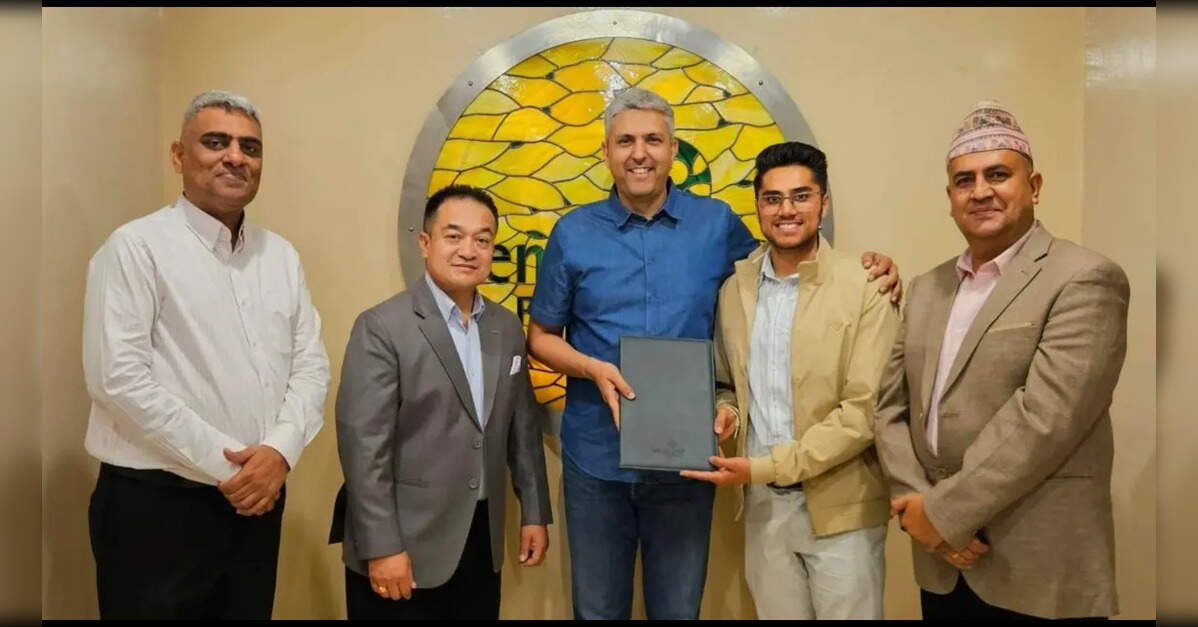
Boutique Travel VC raises investment cap from $1.5M to $10M to lead rounds and support portfolio companies through growth Travel...
Read moreDetails
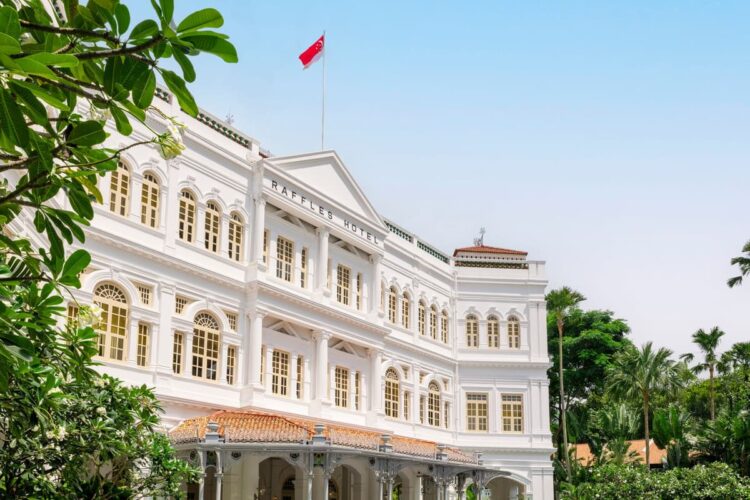
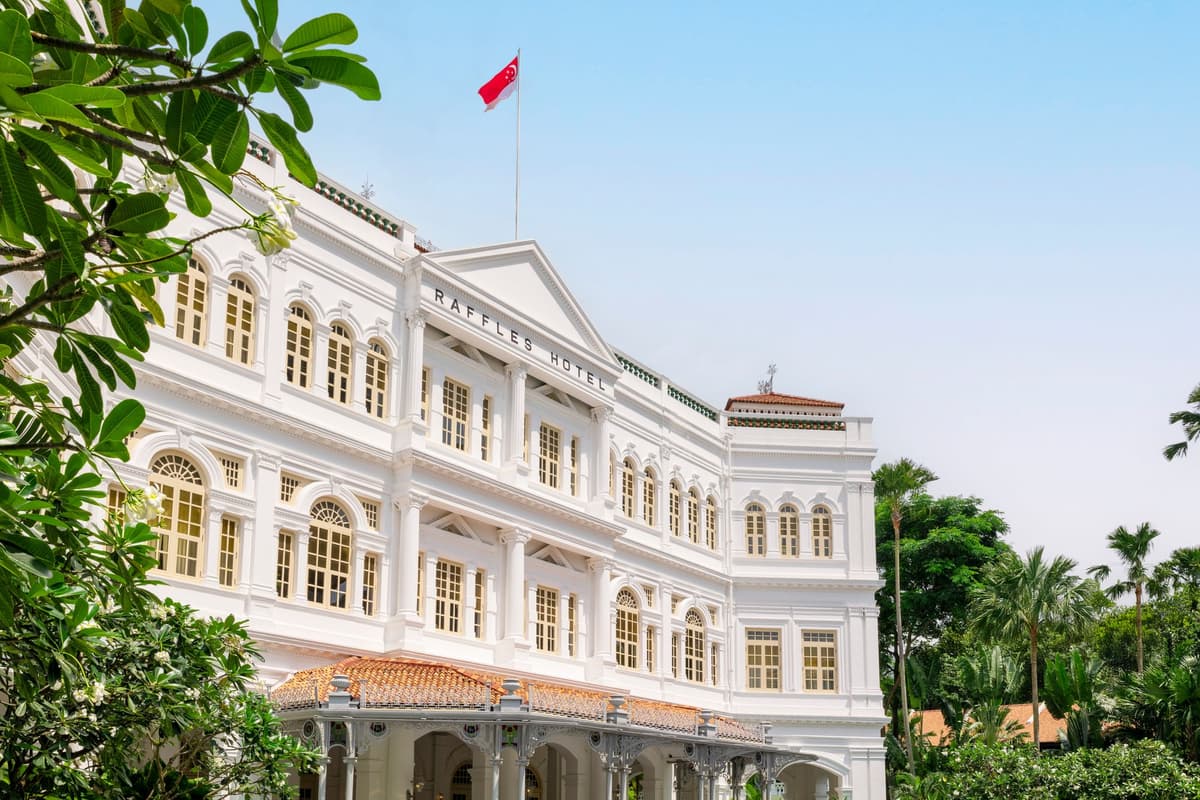
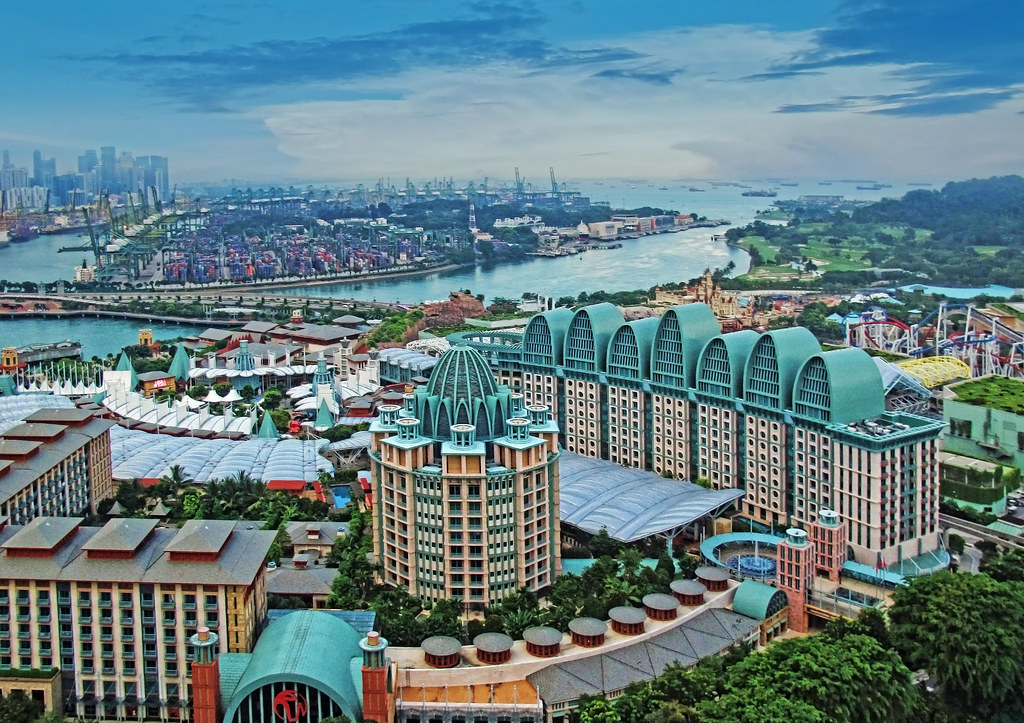
A foodie tour around Singapore
Comprehensive Summarization:
The article highlights the unique perspective of Master of Wine Richard Hemming, who moved to Singapore seven years ago. From his balcony in River Valley, Hemming observes Singapore’s biodiversity through a single tree, noting twelve species coexisting in harmony. This observation serves as a metaphor for Singapore’s cultural and culinary diversity, which he experiences daily through its food scene. The article emphasizes the seamless integration of various cultural elements, such as mosques and temples coexisting with hawker tables, and the importance of timing and heat in Singaporean cuisine, whether from a wok or a kitchen where dishes are served individually. The overall context underscores the rich cultural tapestry and culinary diversity that define Singapore, offering a daily reminder of the value of this exchange for Hemming.
Key Points:
Actionable Takeaways:
Cultural Diversity as a Competitive Advantage: The article underscores Singapore’s unique blend of cultures as a key factor in its success. For travel startups and fintech companies, this highlights the importance of integrating diverse cultural insights into their services to cater to a global audience effectively. Understanding and leveraging cultural nuances can enhance customer experiences and open new market opportunities.
Culinary Innovation as a Benchmark: The emphasis on the precision of Singaporean cuisine, particularly in how heat and timing are managed, serves as a benchmark for culinary innovation. Travel and hospitality companies can draw inspiration from this level of detail and precision in their service offerings, ensuring that every aspect of the guest experience is meticulously planned and executed.
Contextual Insights:
The article reflects the current trend of cultural integration and culinary diversity in travel destinations. As the travel industry continues to evolve, destinations that successfully blend cultural elements and offer unique culinary experiences are likely to attract more visitors. This aligns with the growing trend of experiential travel, where travelers seek authentic and immersive experiences. For thought leaders in the travel industry, this article serves as a reminder of the importance of cultural storytelling and culinary innovation in crafting compelling travel narratives. Additionally, the emphasis on precision in culinary arts can inspire advancements in food technology and service delivery in the travel sector, potentially leading to new innovations in food presentation, preparation, and delivery systems.
Read the Complete Article.
Boutique Travel VC raises investment cap from $1.5M to $10M to lead rounds and support portfolio companies through growth Travel...
Read moreDetails



Comprehensive Summarization: The article discusses the recent licensing fees announced by the Liberia Tourism Authority, which has sparked debate among...
Read moreDetails
