
























Travel Capitalist Ventures Expands Check Size to $10 Million to Deepen Emerging Market Conviction
Boutique Travel VC raises investment cap from $1.5M to $10M to lead rounds and support portfolio companies through growth Travel...
Read moreDetails
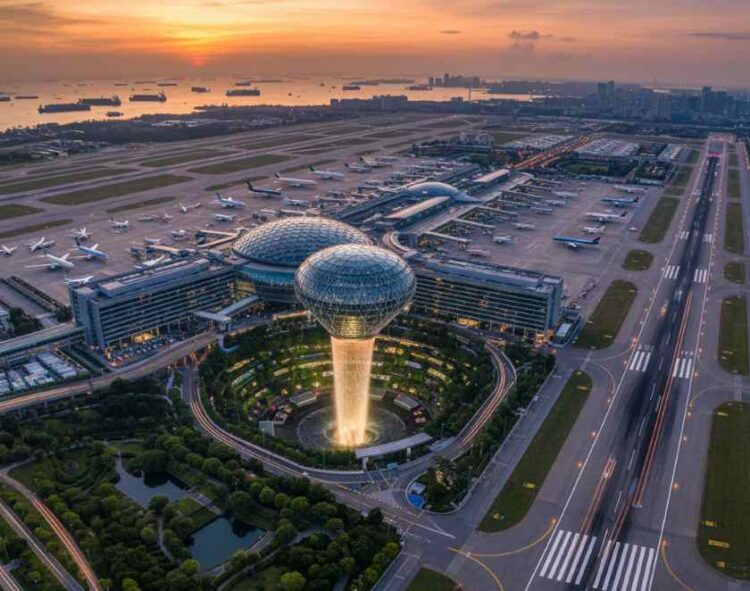
Say Goodbye to Border Delays: Singapore’s New Entry Policy for Tourists Takes Effect
Article Summary:
Singapore’s Immigration and Checkpoints Authority (ICA) is set to introduce a new policy called the No Boarding Directive (NBD) starting in January 2026. This policy mandates airlines to screen passengers before departure to ensure they meet Singapore’s entry requirements, aiming to prevent ineligible travelers from boarding flights to the country. The move is a response to the significant increase in refused entries in recent years, with over 41,800 travelers denied entry in 2025 alone. This initiative is part of a broader effort to enhance border control and improve the efficiency of immigration processes.
Key Points:
Actionable Takeaways:
Enhanced Screening Processes: Airlines should invest in advanced passenger screening technologies to comply with the No Boarding Directive. This includes implementing robust identity verification systems and health check protocols to ensure only eligible travelers board flights to Singapore.
Collaboration with Travel Agencies: Travel agencies should update their systems and procedures to align with the new screening requirements. This includes educating clients about the changes and ensuring they are aware of the entry requirements to avoid travel disruptions.
Focus on Health and Safety: Given the emphasis on preventing ineligible travelers, there is an opportunity for travel companies to enhance their health and safety protocols. This could involve offering enhanced health checks or providing additional support for travelers who may require special clearance.
Contextual Insights:
The introduction of the No Boarding Directive reflects Singapore’s ongoing efforts to strengthen its border control measures in response to increasing security concerns and the need to manage the flow of travelers effectively. This policy aligns with broader global trends towards stricter immigration controls and enhanced security measures in the wake of recent travel disruptions. For the travel industry, this development underscores the importance of adaptability and innovation in screening technologies and processes. Startups in the travel tech sector may find opportunities in developing solutions that streamline the new screening processes, such as AI-driven identity verification tools or integrated health check systems. Additionally, the focus on preventing ineligible travelers highlights the growing importance of data-driven decision-making in travel and immigration, suggesting that companies leveraging advanced analytics and AI could gain a competitive edge.
Read the Complete Article.
Boutique Travel VC raises investment cap from $1.5M to $10M to lead rounds and support portfolio companies through growth Travel...
Read moreDetails




