
























Travel Capitalist Ventures Expands Check Size to $10 Million to Deepen Emerging Market Conviction
Boutique Travel VC raises investment cap from $1.5M to $10M to lead rounds and support portfolio companies through growth Travel...
Read moreDetails
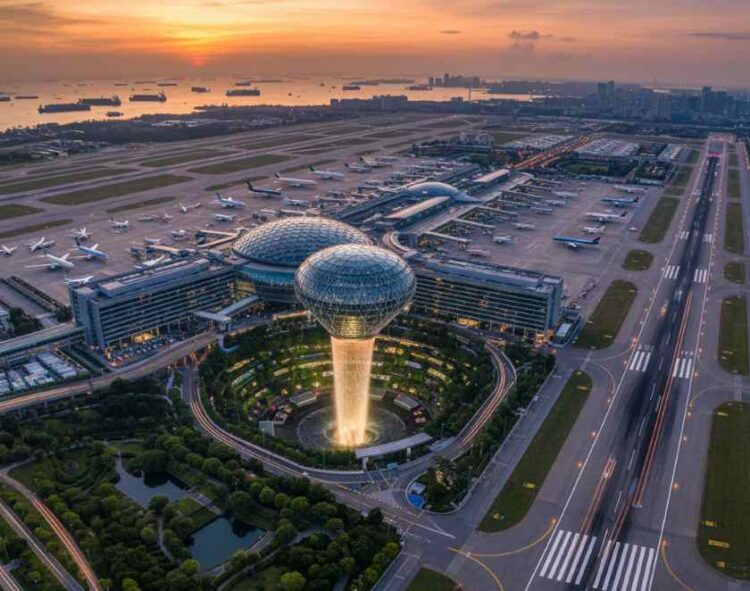
Say Goodbye to Border Delays: Singapore’s New Entry Policy for Tourists Takes Effect
Article Summary:
Singapore’s Immigration and Checkpoints Authority (ICA) is set to introduce the No Boarding Directive (NBD) starting January 2026. This policy mandates airlines to screen passengers before departure to ensure they meet Singapore’s entry requirements, aiming to prevent ineligible travelers from boarding flights to the country. The directive is a response to the significant increase in refused entries in recent years, with over 41,800 travelers denied entry in 2025 alone. This move is part of a broader effort to enhance border control and improve the efficiency of immigration processes.
Key Points:
Actionable Takeaways:
Enhanced Screening Processes: Airlines should invest in advanced passenger screening technologies to comply with the NBD. This includes implementing robust identity verification systems and health check protocols to ensure only eligible travelers board flights to Singapore.
Strengthening Entry Requirements: Travel agencies and tour operators should update their services to include comprehensive pre-departure checks for their clients. This ensures that travelers are aware of and meet all entry requirements, reducing the likelihood of being denied entry.
Collaboration with Authorities: Stakeholders in the travel industry should engage with Singapore’s ICA to stay informed about any updates or changes to the entry requirements. This proactive approach can help in aligning services and processes with the latest regulations, minimizing disruptions for travelers.
Contextual Insights:
The introduction of the No Boarding Directive reflects Singapore’s ongoing efforts to enhance its border control mechanisms in response to increasing security concerns and the rising number of refused entries. This aligns with broader global trends in travel where countries are tightening their immigration policies to ensure safety and security. The directive also underscores the growing importance of technology in travel, particularly in the areas of identity verification and health screening. As the travel industry continues to evolve, innovations in travel tech, such as AI-driven screening tools and biometric verification systems, will play a crucial role in facilitating smoother and more secure travel experiences. Additionally, the focus on compliance and eligibility checks highlights the increasing role of fintech solutions in managing travel payments and ensuring that travelers meet all financial obligations before boarding flights. These developments are likely to shape the future of travel, emphasizing the need for adaptability and innovation among industry stakeholders.
Read the Complete Article.
Boutique Travel VC raises investment cap from $1.5M to $10M to lead rounds and support portfolio companies through growth Travel...
Read moreDetails




