




















Travel Capitalist Ventures Expands Check Size to $10 Million to Deepen Emerging Market Conviction
Boutique Travel VC raises investment cap from $1.5M to $10M to lead rounds and support portfolio companies through growth Travel...
Read moreDetails
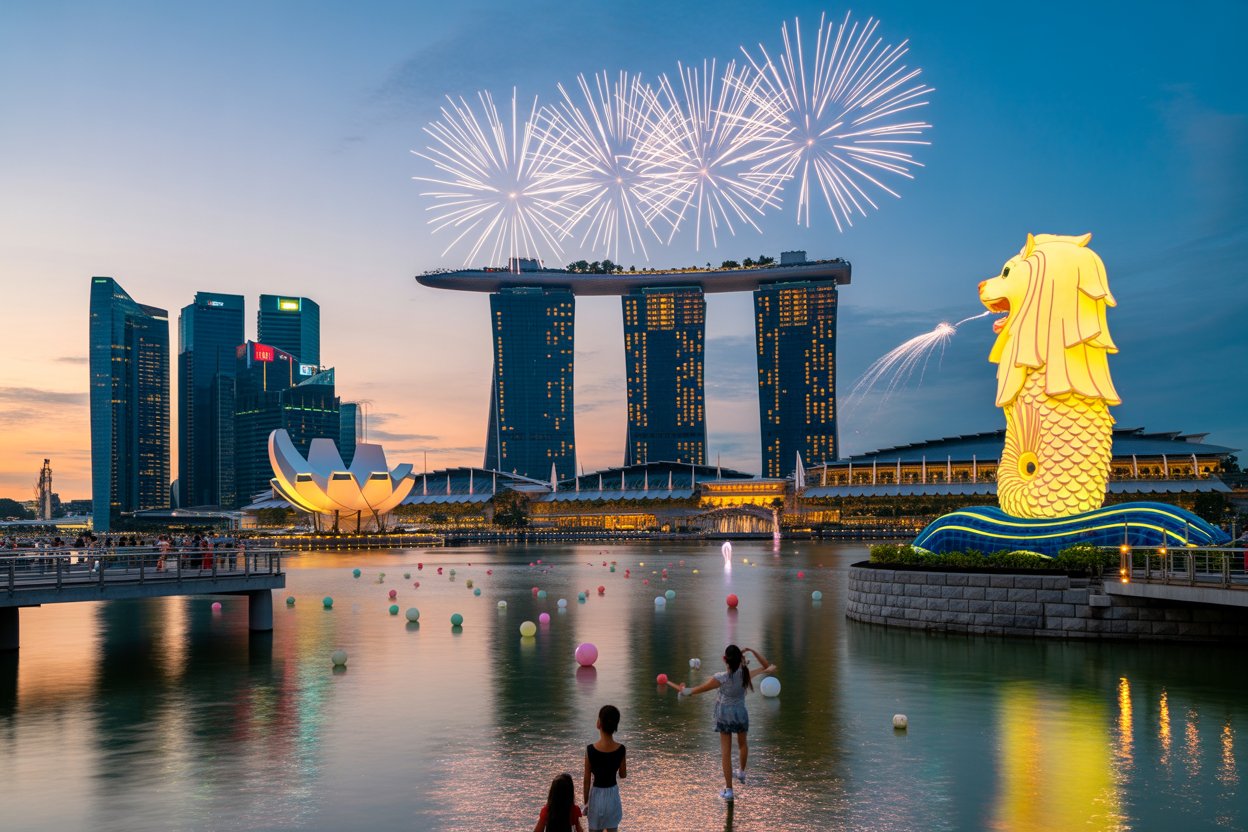
Singapore Introduces No-Boarding Directive to Strengthen Border Security and Streamline Travel
Comprehensive Summarization:
On February 6, 2026, Singapore introduced the No-Boarding Directive (NBD), a preventive measure aimed at enhancing border security and streamlining the travel process. Implemented by the Immigration & Checkpoints Authority (ICA) on January 30, 2026, the NBD ensures that travelers who do not meet Singapore’s entry criteria are prevented from boarding flights to the city-state. This measure is designed to improve entry control systems, prevent disruptions caused by inadmissible passengers, and facilitate smoother immigration procedures. The article provides a concise overview of this new directive, its implementation, and its implications for the travel industry in Singapore.
Key Points:
Actionable Takeaways:
Enhanced Border Security: The introduction of the NBD represents a proactive step by Singapore to bolster its border security measures. Travel companies and airlines operating in and out of Singapore should review and update their compliance protocols to align with the new directive, ensuring that all passengers meet the entry criteria before boarding. This could involve implementing stricter pre-flight checks and potentially investing in advanced screening technologies to facilitate the process.
Streamlined Travel Procedures: By preventing inadmissible passengers from boarding flights, the NBD is expected to reduce bottlenecks at immigration checkpoints upon arrival. Travel agencies and tour operators can leverage this trend by offering services that emphasize smooth and efficient travel experiences, such as pre-clearance options or expedited processing for eligible travelers. This could enhance customer satisfaction and set a new standard for travel service quality in the region.
Innovation in Travel Tech: The implementation of the NBD underscores the growing importance of technology in the travel industry. Companies that invest in innovative solutions for passenger screening, identity verification, and immigration compliance are likely to gain a competitive edge. Travel startups focusing on AI-driven travel compliance tools or blockchain-based identity verification systems may find increased demand as the industry adapts to these new security measures.
Contextual Insights:
The introduction of the No-Boarding Directive (NBD) in Singapore reflects broader trends in the global travel industry towards enhanced security measures and streamlined processes. Recent events, such as the COVID-19 pandemic, have accelerated the adoption of digital health passports and contactless entry systems. Singapore’s move aligns with these trends, emphasizing the importance of technology in managing border security while maintaining operational efficiency. As the travel industry continues to evolve, thought leaders predict that similar measures will become more common, particularly in regions with high travel volumes and stringent security requirements. The NBD also highlights the potential for increased collaboration between governments, airlines, and technology providers to develop integrated solutions that address both security and passenger convenience. This forward-looking perspective suggests that the travel industry should anticipate further innovations in travel tech and fintech, particularly in areas related to identity verification, compliance, and seamless travel experiences.
Read the Complete Article.
Boutique Travel VC raises investment cap from $1.5M to $10M to lead rounds and support portfolio companies through growth Travel...
Read moreDetails



"Discover Rilee Smith's TikTok packing strategy as a 'lifesaver' for travel professionals. Learn space-saving solutions and essential gadgets to keep...
Read moreDetails
