






















Travel Capitalist Ventures Expands Check Size to $10 Million to Deepen Emerging Market Conviction
Boutique Travel VC raises investment cap from $1.5M to $10M to lead rounds and support portfolio companies through growth Travel...
Read moreDetails
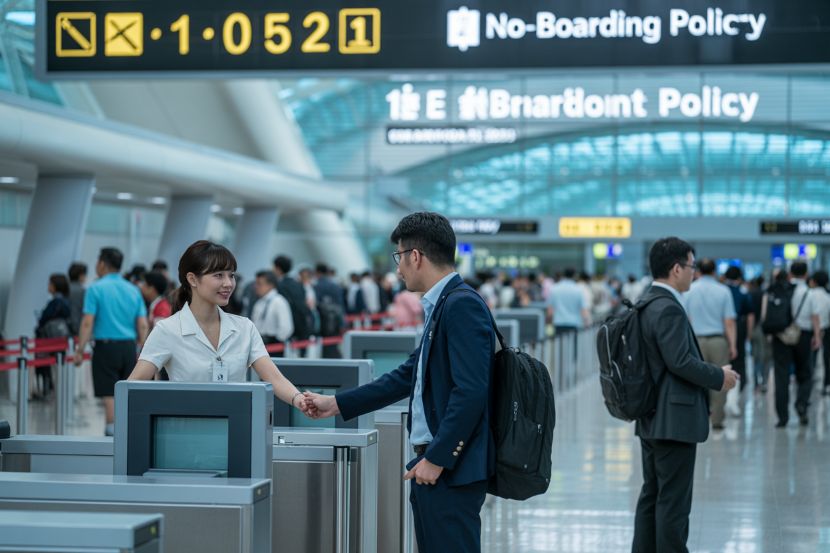
Singapore Unveils Bold Border Control Measures: How New No-Boarding Policies Will Affect Thai, Chine...
Comprehensive Summarization:
Singapore has unveiled bold border control measures set to take effect from January 30, 2026. The new policy requires airlines to prevent undesirable passengers from boarding flights to the city-state, aiming to reinforce border security and ensure only eligible travelers make it to the country. This initiative underscores Singapore’s commitment to maintaining high standards of cleanliness, modernity, and cutting-edge infrastructure, which are key selling points for its tourism appeal. The policy represents a significant shift in how international flights to Singapore will operate, potentially impacting airlines, travelers, and the broader travel industry.
Key Points:
Actionable Takeaways:
Enhanced Screening Processes for Airlines: Airlines operating to Singapore will need to implement stricter passenger screening processes to comply with the new policy. This may involve investing in advanced biometric technologies and enhancing staff training to identify and manage undesirable passengers effectively.
Traveler Preparation: Travelers from Thailand, China, and Indonesia should familiarize themselves with the new rules and ensure they meet the eligibility criteria for entry into Singapore. This may include obtaining necessary visas or travel authorizations well in advance of their planned travel dates.
Industry Adaptation: The travel industry, particularly airlines and travel agencies, will need to adapt their operations to accommodate the new border control measures. This could involve revising booking policies, enhancing customer communication regarding eligibility requirements, and potentially adjusting pricing strategies to reflect any changes in travel demand.
Contextual Insights:
The introduction of these no-boarding policies reflects Singapore’s ongoing commitment to maintaining stringent border security measures, a hallmark of its reputation as a safe and secure travel destination. This move aligns with broader global trends towards enhanced border control and security, especially in the wake of recent geopolitical developments and public health concerns. For the travel industry, particularly airlines and travel agencies, this policy presents both challenges and opportunities. On one hand, it may lead to increased scrutiny and operational complexities for airlines and travelers alike. On the other hand, it underscores Singapore’s position as a leader in travel safety and security, potentially enhancing its appeal to international tourists who prioritize safety and hygiene in their travel choices.
In the context of emerging travel trends, this policy may encourage the adoption of more advanced technologies in the travel sector, such as AI-driven passenger screening systems and enhanced data analytics for risk assessment. Startups focusing on travel tech and fintech could find new opportunities in developing solutions that streamline compliance with such stringent border control measures, thereby supporting airlines and travelers in navigating the new regulatory landscape.
Read the Complete Article.
Boutique Travel VC raises investment cap from $1.5M to $10M to lead rounds and support portfolio companies through growth Travel...
Read moreDetails



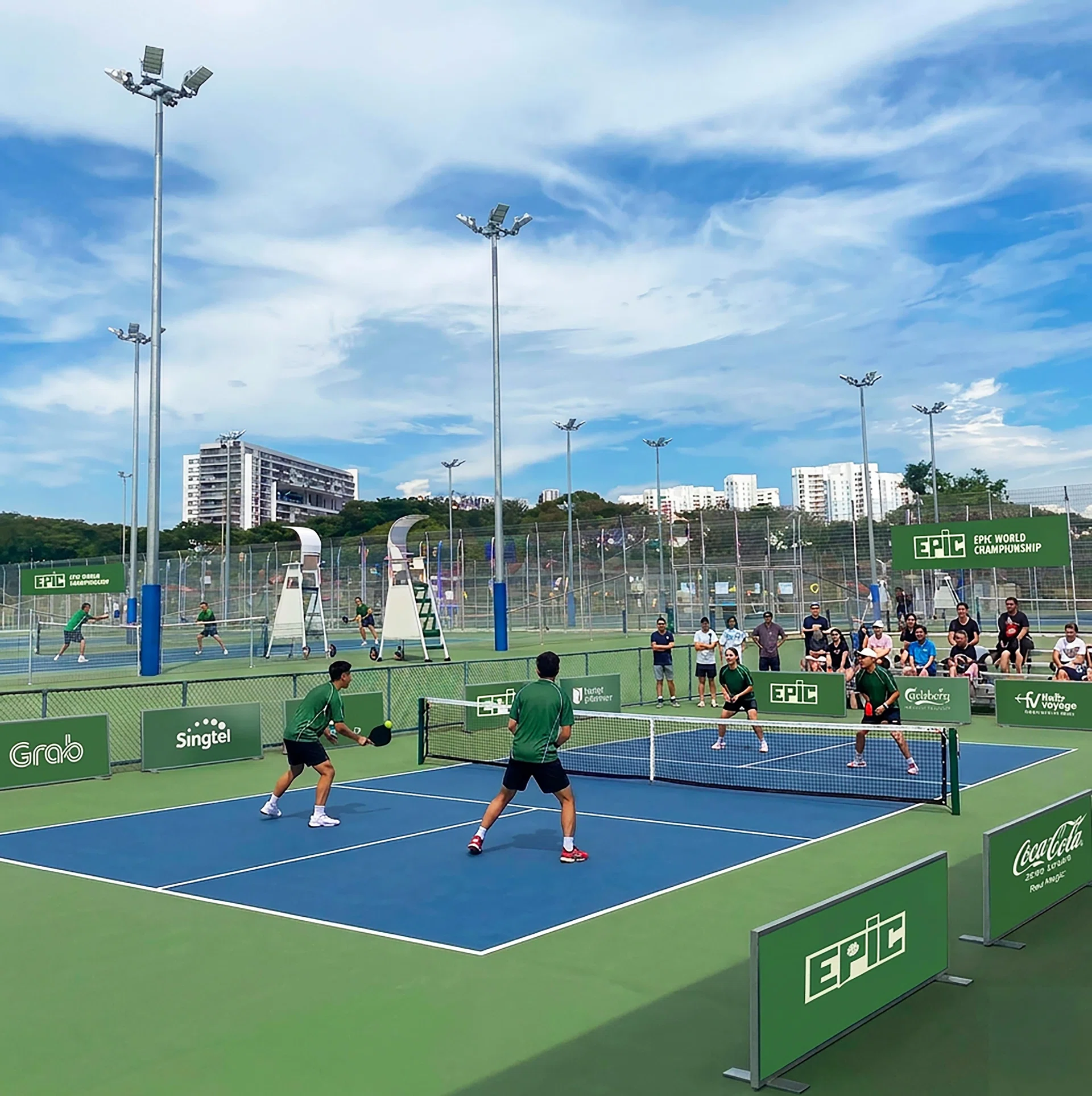
Comprehensive Summarization: The Singapore Tourism Board (STB) is set to host the inaugural Epic World Championship, a four-day amateur pickleball...
Read moreDetails
