


















Travel Capitalist Ventures Expands Check Size to $10 Million to Deepen Emerging Market Conviction
Boutique Travel VC raises investment cap from $1.5M to $10M to lead rounds and support portfolio companies through growth Travel...
Read moreDetails
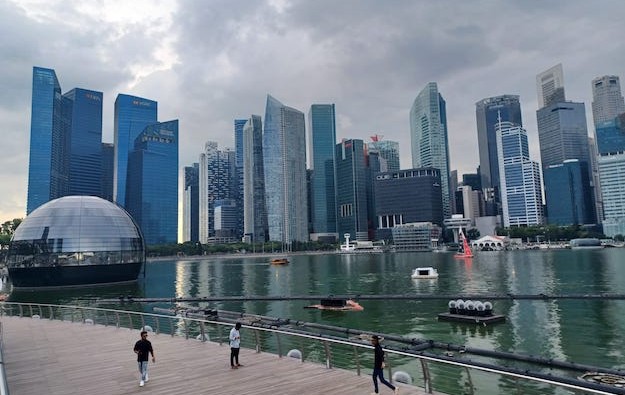
Singapore Jan visitor tally down 8pct to 1.5mln, led by decline in arrivals from mainland China, Ind...
Comprehensive Summarization:
The article reports a significant 8.1% year-on-year decline in international visitor arrivals to Singapore in January, primarily attributed to a decrease in arrivals from China and Indonesia. The total number of arrivals reached 1.50 million, with 1.11 million being overnight visitors, marking a 7.0% year-on-year decline. The average length of stay for international tourists in January was 3.43 days, reflecting a 2.6% year-on-year decrease. The top five source markets for Singapore’s inbound tourists were mainland China, Indonesia, Australia, Malaysia, and India. These markets collectively accounted for a substantial portion of the total arrivals, underscoring their continued importance in Singapore’s tourism sector.
Key Points:
Actionable Takeaways:
Diversify Marketing Efforts: Given the decline in arrivals from key markets like China and Indonesia, travel marketers should consider diversifying their marketing strategies to target alternative source markets. This could involve increasing promotional efforts in regions such as Australia, Malaysia, and India, which remain strong sources of inbound tourists.
Enhance Stay Duration: The decrease in average length of stay suggests that visitors are spending less time in Singapore. Travel operators could focus on enhancing the visitor experience to encourage longer stays, potentially through improved accommodation options, unique cultural experiences, or exclusive events that add value to the visitor’s itinerary.
Leverage Digital Marketing: With the decline in traditional travel agency bookings, there is an opportunity to leverage digital marketing channels more effectively. Utilizing targeted online advertising, social media campaigns, and influencer partnerships can help attract visitors from declining markets and beyond, ensuring a steady flow of tourists to Singapore.
Contextual Insights:
The decline in international visitor arrivals to Singapore in January 2023 reflects broader trends in the global travel industry, where geopolitical factors, economic uncertainties, and health concerns continue to impact travel behavior. The data highlights the vulnerability of Singapore’s tourism sector to changes in the travel patterns of its top feeder markets, particularly China and Indonesia. This context underscores the importance of strategic diversification and innovation in marketing and service offerings to mitigate the impact of such declines.
In the context of travel tech, there is a growing emphasis on leveraging data analytics and AI to predict and adapt to changes in travel demand. Startups in the travel sector are increasingly focusing on developing solutions that enhance the visitor experience, optimize marketing strategies, and improve operational efficiencies. For instance, AI-driven personalized travel recommendations and dynamic pricing models can help travel operators attract and retain visitors, even in the face of declining arrivals from traditional markets.
Moreover, the trend towards sustainable and experiential travel is gaining momentum, with travelers seeking unique, immersive experiences that offer value beyond traditional sightseeing. Travel operators that can innovate and adapt to these evolving preferences are likely to thrive in the post-pandemic travel landscape. By focusing on these actionable insights, stakeholders in the travel industry can navigate the current challenges and position themselves for sustained growth and success.
Read the Complete Article.
Boutique Travel VC raises investment cap from $1.5M to $10M to lead rounds and support portfolio companies through growth Travel...
Read moreDetails



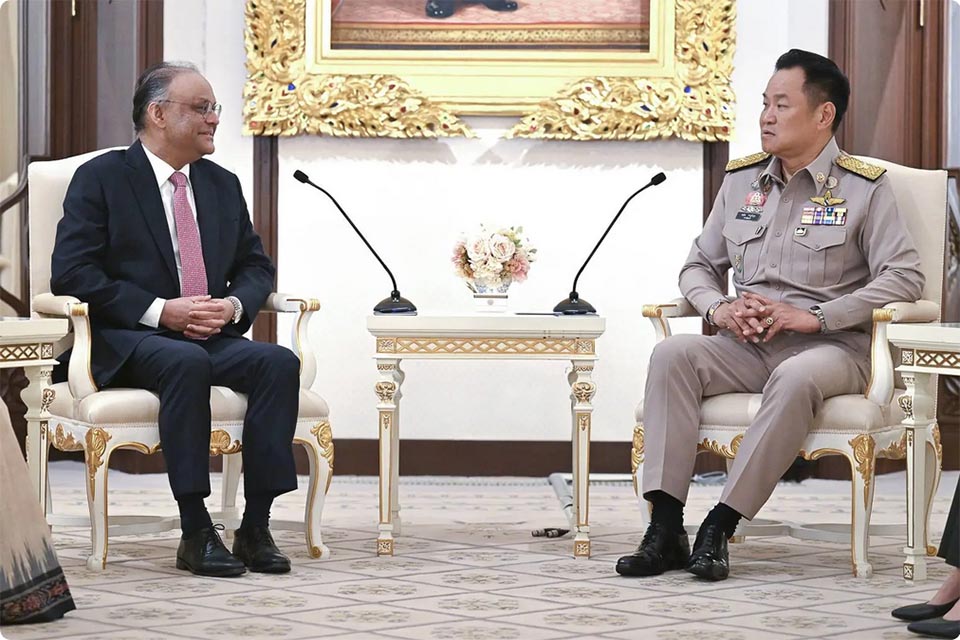
Comprehensive Summarization: The article reports on a meeting between Thailand's Prime Minister Anutin Charnvirakul and the outgoing Indian Ambassador to...
Read moreDetails
