






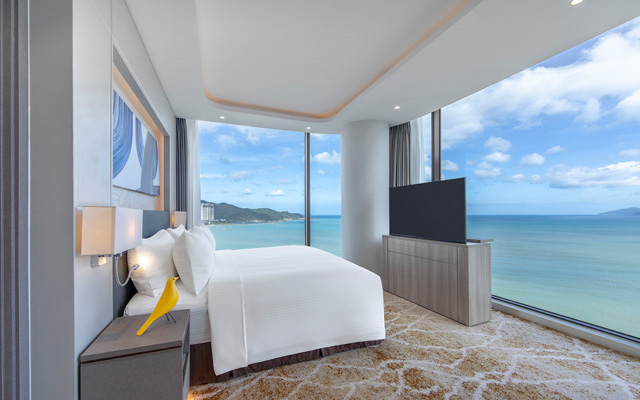
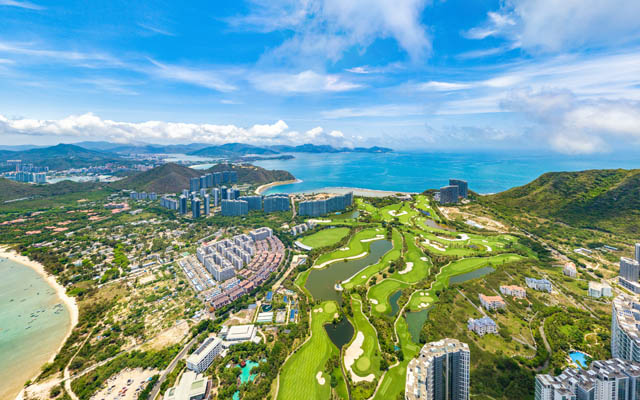
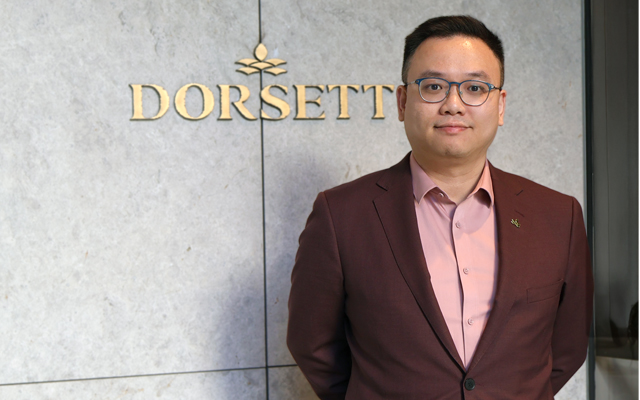









Travel Capitalist Ventures Expands Check Size to $10 Million to Deepen Emerging Market Conviction
Boutique Travel VC raises investment cap from $1.5M to $10M to lead rounds and support portfolio companies through growth Travel...
Read moreDetails
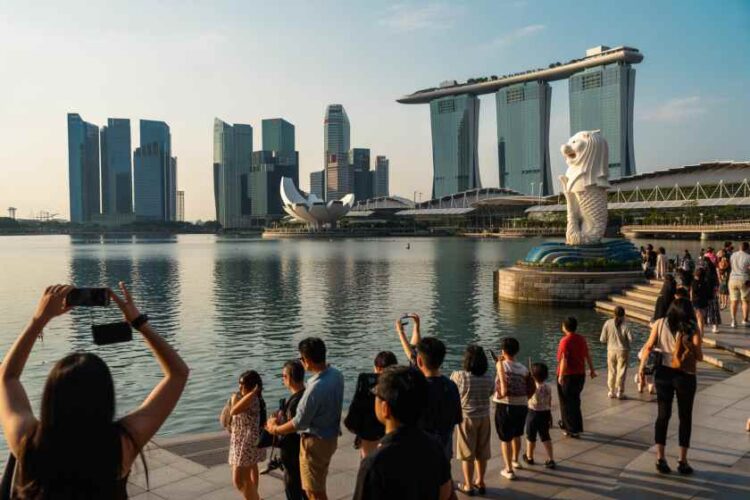
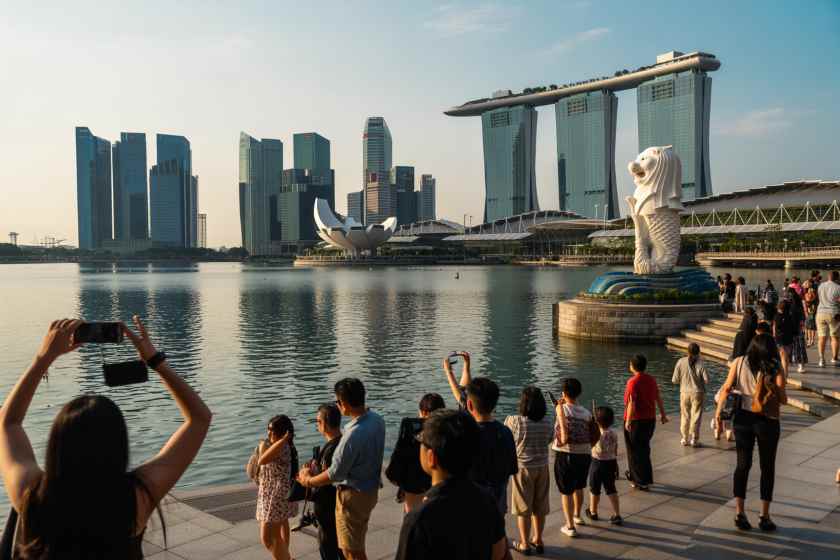
Singapore Joins With Malaysia, Vietnam, Thailand and Japan Who Are Leading the Charge in Southeast A...
Comprehensive Summarization:
The article highlights Singapore’s tourism sector, which is poised to achieve a new record in tourism receipts for 2026. Despite a slight decline in the growth rate of international visitor arrivals, the Singapore Tourism Board (STB) has increased its forecast for tourism receipts. This forecast indicates the resilience of Singapore’s tourism industry, even as the number of international visitors in 2025 experienced a minor decrease. The article underscores the importance of Singapore’s strategic position among leading tourism destinations in Southeast Asia, alongside Malaysia, Vietnam, Thailand, and Japan, in driving the region’s tourism growth in 2026.
Key Points:
Actionable Takeaways:
Investment in Tourism Infrastructure: Given Singapore’s forecasted record tourism receipts, there is a strong opportunity for investors to focus on enhancing tourism infrastructure in the country. This could include improvements in transportation, accommodation, and visitor experience, which are critical for sustaining high tourism receipts.
Leveraging Southeast Asia’s Tourism Growth: Singapore’s strategic position among leading tourism destinations in Southeast Asia presents a unique opportunity for regional collaboration and investment. By leveraging the growth trends in the region, stakeholders can capitalize on the increasing interest in Southeast Asian tourism, potentially driving further growth in Singapore’s tourism sector.
Focus on Visitor Experience: With a slight decline in the growth rate of international visitor arrivals, there is an actionable need for Singapore to focus on enhancing the visitor experience. This could involve innovative marketing strategies, improved digital services, and unique cultural experiences that differentiate Singapore from other destinations, ensuring visitor satisfaction and repeat visits.
Contextual Insights:
The article’s context is deeply rooted in the current state of the global tourism industry, which has been significantly impacted by the COVID-19 pandemic and subsequent travel restrictions. Singapore’s ability to forecast a record tourism receipt despite a dip in visitor arrivals underscores the resilience and adaptability of its tourism sector. This resilience is further highlighted by Singapore’s strategic positioning among the leading tourism destinations in Southeast Asia, alongside Malaysia, Vietnam, Thailand, and Japan. These countries are collectively driving the tourism growth in the region, indicating a broader trend of increased interest in Southeast Asian travel.
Looking forward, the article suggests that the focus on visitor experience and infrastructure development will be crucial in maintaining and potentially surpassing Singapore’s tourism revenue records. As the travel industry continues to evolve, with advancements in technology and shifting consumer preferences, Singapore’s proactive approach to enhancing these areas positions it well for sustained growth. Additionally, the collaboration among Southeast Asian nations in promoting tourism reflects a broader trend of regional cooperation in the travel sector, which could lead to innovative travel packages and cross-border tourism initiatives.
Read the Complete Article.
Boutique Travel VC raises investment cap from $1.5M to $10M to lead rounds and support portfolio companies through growth Travel...
Read moreDetails



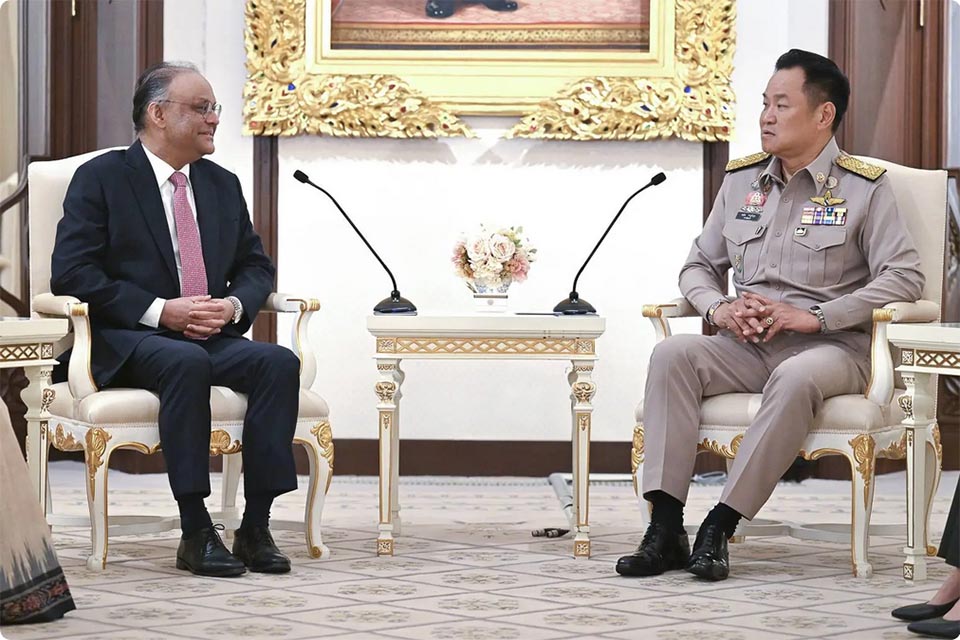
Comprehensive Summarization: The article reports on a meeting between Thailand's Prime Minister Anutin Charnvirakul and the outgoing Indian Ambassador to...
Read moreDetails
