






















Travel Capitalist Ventures Expands Check Size to $10 Million to Deepen Emerging Market Conviction
Boutique Travel VC raises investment cap from $1.5M to $10M to lead rounds and support portfolio companies through growth Travel...
Read moreDetails
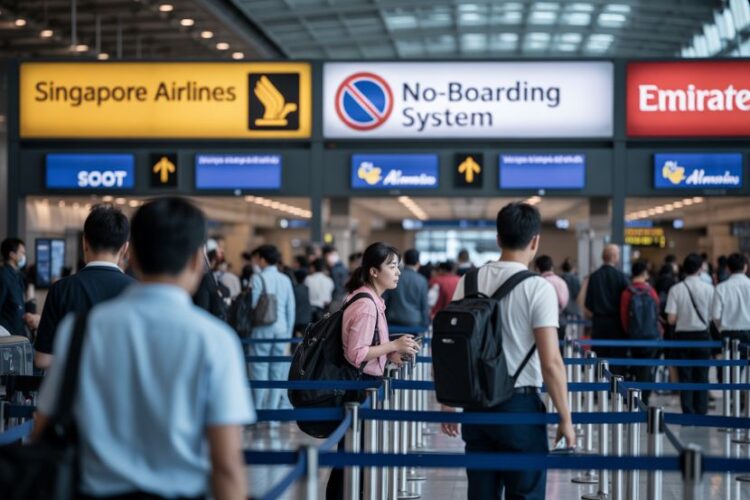
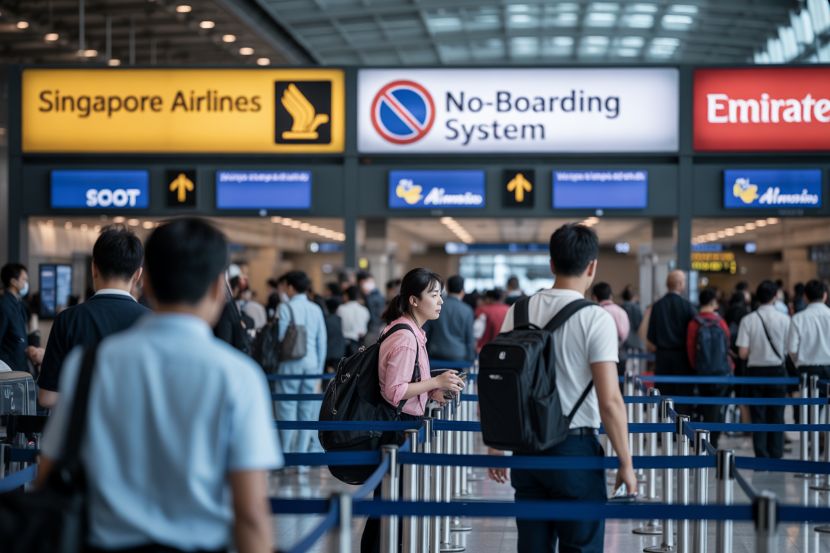
Singapore, Malaysia, and Indonesia Brace for 2026 Immigration Changes as Airlines Enforce No-Boardin...
Article Summary:
In 2026, Singapore will introduce a no-boarding system aimed at limiting entry to undesirable travelers. This policy, which will affect major airlines such as Singapore Airlines, Scoot, Emirates, and AirAsia, will prevent passengers from boarding flights to Singapore if they are deemed ineligible for entry. This move follows a significant increase in rejected entries, with 41,800 foreign tourists turned away between January and November 2025. The new system is part of Singapore’s efforts to enhance immigration control and ensure the safety and security of its borders.
Key Points:
Actionable Takeaways:
Contextual Insights:
The implementation of Singapore’s no-boarding system reflects broader trends in global immigration policies aimed at enhancing security and controlling entry. This move aligns with the increasing emphasis on digital transformation in the travel industry, where technology plays a crucial role in managing complex immigration processes. As travel startups and fintech companies continue to innovate, the focus on secure and efficient border control systems presents both challenges and opportunities. Companies that leverage technology to enhance immigration verification processes may gain a competitive edge in the evolving travel landscape.
Read the Complete Article.
Boutique Travel VC raises investment cap from $1.5M to $10M to lead rounds and support portfolio companies through growth Travel...
Read moreDetails




