























Travel Capitalist Ventures Expands Check Size to $10 Million to Deepen Emerging Market Conviction
Boutique Travel VC raises investment cap from $1.5M to $10M to lead rounds and support portfolio companies through growth Travel...
Read moreDetails

Singaporean singer recounts ordeal with China tour guide who threatened group for not spending 'enou...
Article Summary:
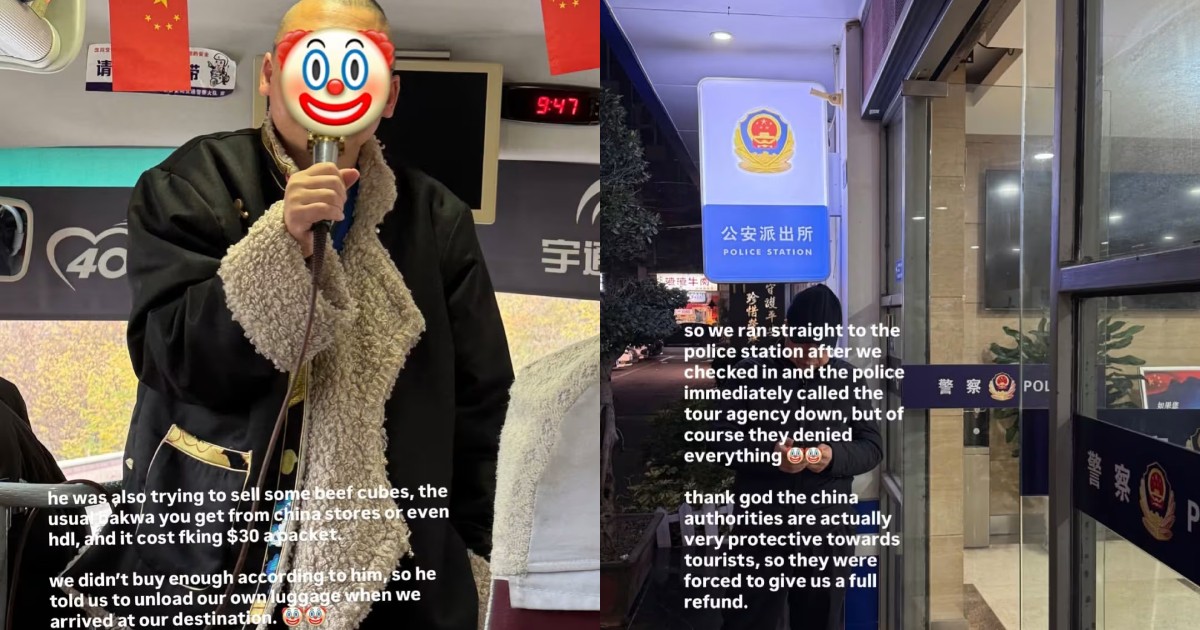
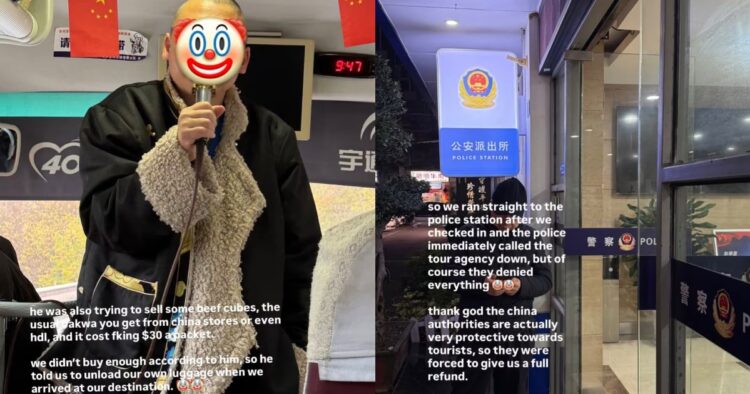
In November, 23 tourists from Singapore who were on a nine-day tour in Chengdu, China, faced a distressing experience when they were pressured by their guide to purchase items in various shops. The guide, Shawn Tok, a local singer and winner of the 2007 Campus SuperStar competition, alleged that the tour group was forced to buy jade, silverware, combs, and herbal medicines until they met the sales quota. Tok stated that despite spending a total of 105,000 yuan (approximately S$19,000), they still did not meet the sales quota. This incident highlights the importance of ethical practices in the travel industry and the need for transparency in tour operations.
Key Points:
Actionable Takeaways:
Contextual Insights:
The incident in Chengdu reflects broader concerns in the travel industry about ethical practices and customer satisfaction. In recent years, there has been a growing emphasis on responsible tourism, where the focus is on minimizing negative impacts on the environment and local communities. This incident serves as a reminder of the need for continuous improvement in the travel industry, particularly in areas such as customer service, transparency, and ethical practices. As the travel industry continues to evolve, it is crucial for stakeholders to stay abreast of emerging trends and best practices to ensure a positive and sustainable travel experience for all.
Read the Complete Article.
Boutique Travel VC raises investment cap from $1.5M to $10M to lead rounds and support portfolio companies through growth Travel...
Read moreDetails




