





















Travel Capitalist Ventures Expands Check Size to $10 Million to Deepen Emerging Market Conviction
Boutique Travel VC raises investment cap from $1.5M to $10M to lead rounds and support portfolio companies through growth Travel...
Read moreDetails
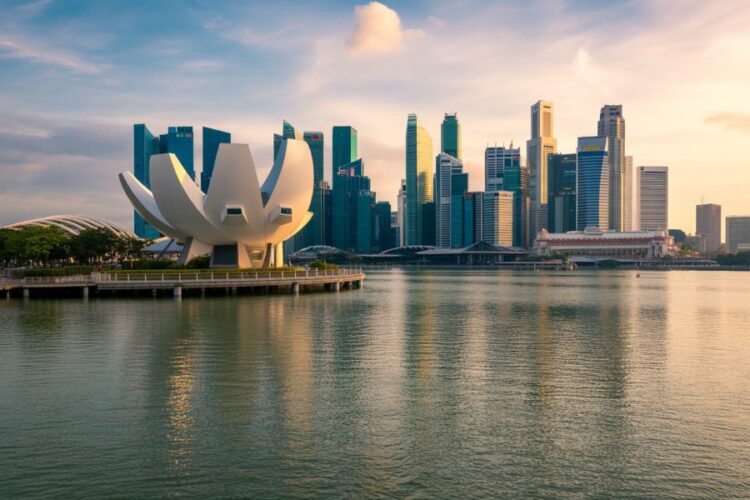
Singapore: TDM Global Summit 2025 Charts New Directions For Travel, Tourism And Hospitality!
Article Summary:
The TDM Global Summit 2025, held at the InterContinental Singapore, brought together over two hundred top executives from various sectors including hotels, airlines, travel-tech, tour operators, and tourism boards. The summit aimed to discuss the future of travel, hospitality, and tourism over the next decade. It highlighted five key insights that could significantly influence the sector, focusing on the evolution of sustainability from a checkbox requirement to a core business strategy.
Key Points:
Sustainability as a Core Business Strategy: The summit emphasized the shift from sustainability being a mere checkbox item to a fundamental aspect of business strategy in the travel and tourism industry.
Innovations in Travel Tech: The conference showcased advancements in travel technology, highlighting how digital transformation is reshaping the industry.
Emerging Trends in Tourism: Insights were shared on the latest trends in tourism, including the growing importance of experiential travel and the integration of artificial intelligence in personalized travel experiences.
Global Collaboration and Standards: There was a strong emphasis on the need for global collaboration among industry stakeholders to establish common standards and practices for sustainability and innovation.
Impact of Fintech on Travel: The role of financial technology in revolutionizing payment systems, booking processes, and overall financial management within the travel sector was discussed.
Actionable Takeaways:
Adopt Sustainability as a Core Business Strategy: Companies should integrate sustainability into their core business models to meet the evolving expectations of consumers and regulatory bodies. This involves not only reducing environmental impact but also enhancing social responsibility and governance practices.
Invest in Travel Tech Innovations: Businesses should prioritize investments in travel technology to enhance operational efficiency, improve customer experiences, and stay competitive in a rapidly evolving market. This includes adopting AI for personalized services, blockchain for secure transactions, and IoT for real-time data management.
Foster Global Collaboration: Industry stakeholders should collaborate to set global standards for sustainability and innovation. This collaboration can lead to shared best practices, streamlined processes, and a unified approach to addressing industry-wide challenges.
Leverage Fintech for Enhanced Operations: Travel companies should explore fintech solutions to streamline payment processes, improve financial management, and offer more flexible and secure payment options to customers. This can lead to increased customer satisfaction and operational efficiency.
Contextual Insights:
The TDM Global Summit 2025 reflects the current trajectory of the travel industry, where sustainability is no longer an optional add-on but a critical component of business strategy. The emphasis on sustainability aligns with global trends towards environmental responsibility and the increasing consumer demand for eco-friendly travel options. The focus on travel tech innovations underscores the industry’s commitment to leveraging technology to enhance efficiency and customer satisfaction. The discussions on fintech highlight the sector’s openness to adopting new financial technologies to improve operational efficiency and customer experience. These insights collectively point towards a future where sustainability, technology, and collaboration are at the forefront of the travel and tourism industry’s evolution.
Read the Complete Article.
Boutique Travel VC raises investment cap from $1.5M to $10M to lead rounds and support portfolio companies through growth Travel...
Read moreDetails




