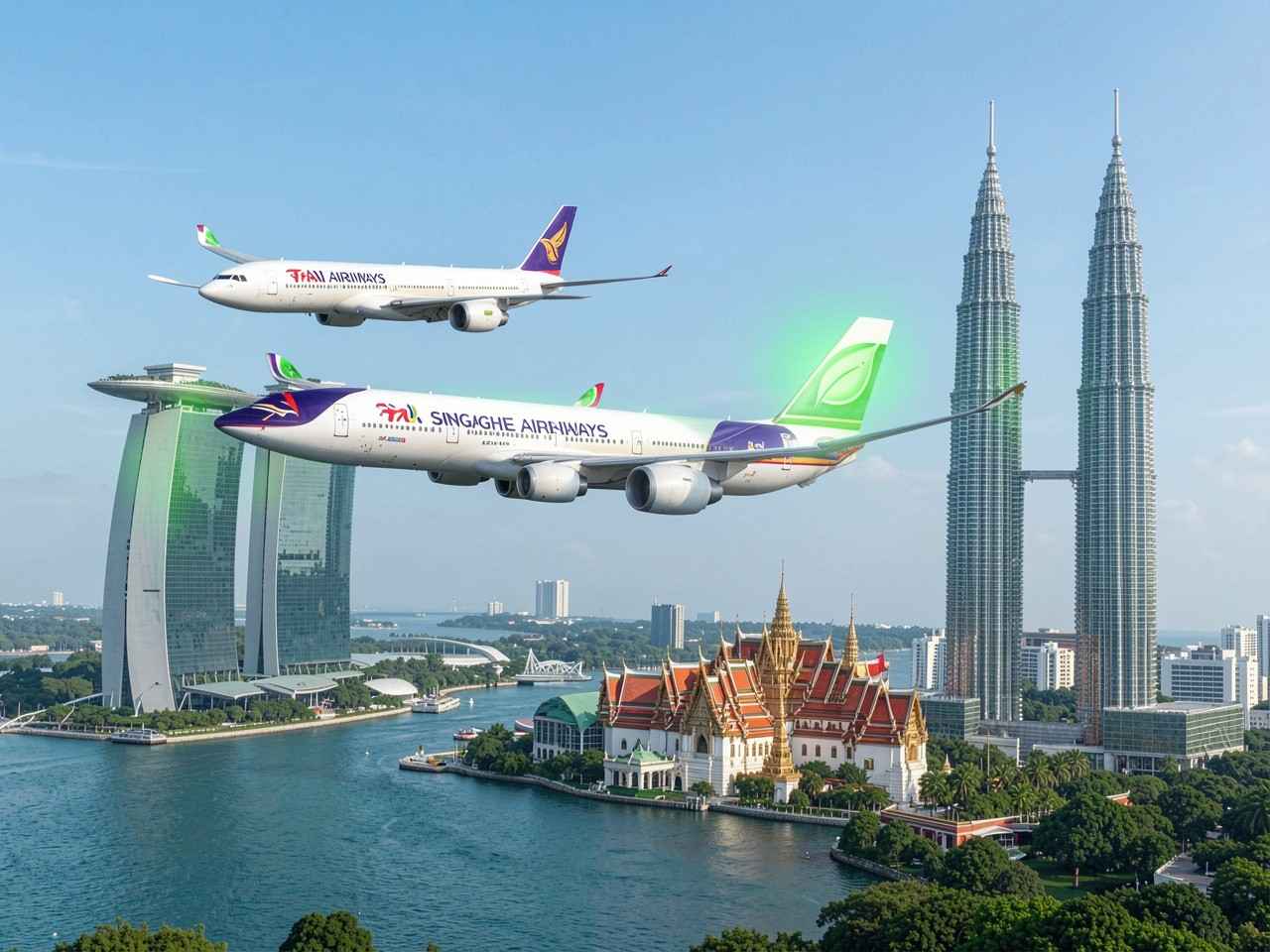
Singapore Airlines, Thai Airways, and AirAsia are spearheading a significant shift in Southeast Asia’s aviation and tourism industries by adopting Sustainable Aviation Fuel (SAF). This move is part of a broader industry-wide transition towards sustainability, aiming to reduce carbon footprints and align with global climate goals. Given that Southeast Asia’s tourism sector is valued at over $300 billion, the adoption of SAF by these major airlines could have profound implications for the region’s tourism engines. The article highlights the potential of SAF as a game-changer in the aviation sector, offering a pathway to mitigate rising emissions and protect the economic vitality of Asia’s tourism industry.
Key Points:
Adoption of Sustainable Aviation Fuel (SAF):Singapore Airlines, Thai Airways, and AirAsia are leading the adoption of SAF, positioning themselves at the forefront of sustainable aviation practices in Southeast Asia.
Impact on Tourism Sector: The shift towards SAF is crucial for protecting Southeast Asia’s $300 billion tourism industry from the adverse effects of rising emissions, aligning with global climate objectives.
Broader Industry Transformation: This adoption reflects a larger industry-wide movement towards sustainability, emphasizing the role of SAF in reducing carbon emissions and fostering a greener future in aviation.
Tourism Valuation: The substantial valuation of Southeast Asia’s tourism sector underscores the importance of sustainable practices in maintaining economic stability and growth in the region.
Actionable Takeaways:
Investment in SAF Infrastructure: Airlines and aviation stakeholders should prioritize investments in SAF infrastructure and technology to capitalize on the growing demand for sustainable aviation fuels. This move not only aligns with global sustainability goals but also positions companies as leaders in environmental stewardship, potentially enhancing their market reputation and customer loyalty.
Collaboration with Renewable Energy Providers: Airlines should explore partnerships with renewable energy providers to ensure a steady supply of SAF. Such collaborations can help stabilize fuel costs and ensure a reliable source of sustainable aviation fuel, crucial for long-term operational planning and environmental compliance.
Policy Advocacy for Sustainable Aviation: Industry leaders should engage in policy advocacy to support the development and implementation of regulations that incentivize the use of SAF. Advocating for policies that promote SAF adoption can accelerate industry-wide transitions and create a more sustainable aviation sector, benefiting both the environment and the economy.
Contextual Insights:
The adoption of SAF by Singapore Airlines, Thai Airways, and AirAsia is a direct response to the increasing global emphasis on sustainability within the aviation sector. As the world moves towards stricter emissions regulations and a greater focus on carbon neutrality, airlines are proactively seeking alternatives to traditional jet fuels. This trend is supported by recent advancements in SAF technology, which have made it more viable and cost-effective for large-scale adoption. The article’s context also reflects the broader industry shift towards integrating sustainable practices across all facets of aviation, from manufacturing to operations. Forward-looking insights suggest that airlines that embrace SAF now are likely to gain a competitive edge, not only in terms of environmental responsibility but also in meeting consumer demand for sustainable travel options. This move could also stimulate further innovation in the aviation sector, driving further advancements in sustainable technologies and potentially opening new markets for airlines committed to green practices.